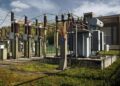
Korea Steps Forward to Evaluate Proposed Nuclear Power Plant Site in Uganda
In a meaningful progress for Uganda’s energy sector, South Korea is set to conduct a comprehensive evaluation of a proposed site for a nuclear power plant in the East African nation. This initiative marks a pivotal step in Uganda’s ambitions to diversify its energy sources and bolster its electricity generation capacity. As part of a bilateral cooperation framework, experts from the Korea Hydro & Nuclear Power Company (KHNP) will assess the site’s viability in terms of environmental impact, safety, and technical feasibility. This evaluation not only underscores South Korea’s commitment to supporting Uganda’s development goals but also highlights the growing interest in nuclear energy across Africa as a sustainable solution to addressing escalating power demands.This article delves into the implications of this evaluation,the potential benefits for Uganda,and the role of nuclear energy in the region’s future.
Korea’s Comprehensive Assessment of Uganda’s Nuclear Power Plant Site
Korea is set to conduct an in-depth evaluation of the proposed site for a nuclear power plant in Uganda, marking a significant step in both nations’ collaboration on nuclear energy development. This assessment will involve a comprehensive evaluation of various factors critical to the safety and viability of the site, which include:
- Geological Stability: Analysis of soil and rock formations to ensure structural integrity.
- Environmental Impact: Examination of local ecosystems and biodiversity to mitigate adverse effects.
- Community Safety: Assessment of surrounding population centers for emergency preparedness and response plans.
The task is not only pivotal for Uganda’s energy needs but also serves as a benchmark for future international collaborations in nuclear energy. Korea’s expertise in nuclear technology and engineering will provide insights into best practices, ensuring that Uganda can develop a sustainable and safe energy infrastructure. Key metrics for evaluating the site’s readiness will include:
| Criteria | Importance Level |
|---|---|
| Regulatory Compliance | High |
| Resource Availability | Medium |
| Water Source Proximity | High |
Critical Factors Influencing Site Selection for Safe Nuclear Development
Site selection for nuclear facilities is a critical phase that requires meticulous planning and evaluation of numerous factors to ensure safety and efficiency. Among the key considerations are:
- Geological Stability: Assessing seismic activity and soil composition is vital to prevent structural failures during natural disasters.
- Proximity to Water Sources: Ensuring an adequate water supply for cooling systems while avoiding pollution of local water bodies is essential.
- Environmental Impact: Evaluating potential effects on local ecosystems and wildlife is crucial to maintaining biodiversity.
- Access to Infrastructure: Proximity to transportation networks and power grids facilitates construction and operational logistics.
- Population Density: A lower population density around the site minimizes risks associated with evacuation and emergency responses.
Along with physical and environmental considerations, socio-political factors play a significant role in site evaluation. The following aspects must also be taken into account:
- Regulatory Compliance: Ensuring that all local and international safety standards are met is fundamental in the establishment of a nuclear site.
- Community Acceptance: Engaging with local communities to address concerns and gather support can greatly influence the project’s success.
- Economic Viability: The potential for job creation and economic development associated with the facility can definitely help assuage public fears and build backing.
| Factor | Importance |
|---|---|
| Geological Stability | Essential for long-term safety |
| Environmental Impact | Critical for ecosystem protection |
| Community Acceptance | Influences project feasibility |
Recommendations for Enhancing Oversight and Safety in Uganda’s Nuclear Initiative
To ensure the safety and efficacy of Uganda’s nuclear initiative, it is imperative to establish a robust regulatory framework that emphasizes transparency and community engagement. Stakeholders must prioritize the formation of an independent nuclear regulatory authority, equipped with the expertise to oversee the safety and environmental impact of nuclear power activities. Additionally, fostering effective interaction lines with the public can build trust and ensure that community concerns are adequately addressed. This can be achieved through:
- Regular public consultations to discuss project updates and safety measures.
- Detailed reporting on environmental assessments and risk analyses.
- Clear guidelines outlining emergency response protocols and safety practices.
Furthermore, establishing strategic partnerships with international organizations can bolster Uganda’s capabilities in nuclear safety oversight. Collaborating with experienced nuclear energy nations will allow for the exchange of knowledge and best practices. Crucial actions may include:
- Joint training programs for local engineers and safety inspectors.
- Participation in international safety audits and reviews.
- Access to advanced safety technologies and methodologies from global partners.
Below is a table that highlights potential international partners and their respective contributions to Uganda’s nuclear safety endeavor:
| Country | Contribution |
|---|---|
| South Korea | Technological expertise and training programs. |
| United States | Safety protocols and emergency response frameworks. |
| IAEA | Guidance on regulatory practices and safety standards. |
The Conclusion
Korea’s decision to evaluate the proposed nuclear power plant site in Uganda underscores the growing interest in nuclear energy as a viable solution to meet increasing energy demands in emerging economies. As both nations engage in this collaborative effort, the outcomes of these assessments will be pivotal in shaping the future of Uganda’s energy landscape and its aspirations for sustainable development. The success of this initiative could pave the way for more comprehensive nuclear cooperation in Africa, potentially establishing a framework that prioritizes safety, environmental protections, and community engagement.As this story continues to unfold,the global community will be watching closely,recognizing the implications for nuclear energy policy and development in the region.