
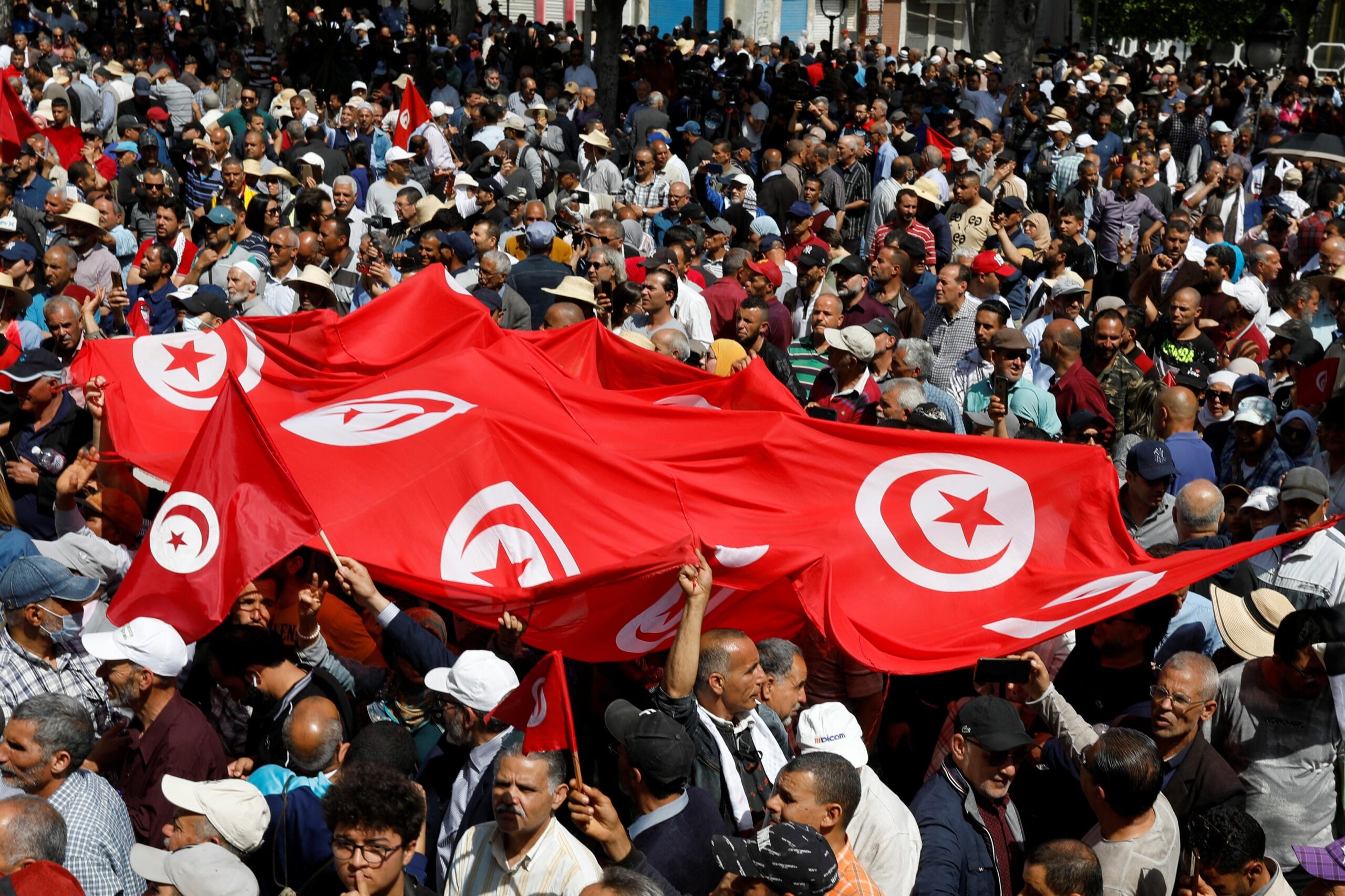
In recent weeks, Tunisia has witnessed a wave of protests that underscore a growing tide of discontent among its citizens. As demonstrators take to the streets, fueled by frustration over economic hardships and political disillusionment, the chorus of voices expressing dissatisfaction has grown louder. Central to this unrest is the perception that President Kais Saied has not lived up to his promises, leading many to declare, “Saied wasn’t honest with us.” This sentiment reflects a broader sense of betrayal felt by Tunisians who had hoped for genuine reform and stability following the 2011 revolution. As protesters demand accountability and change, the situation in Tunisia has become increasingly volatile, hinting at an “explosive” discontent that could reshape the nation’s political landscape. In this article, we will explore the roots of the current protests, the demands of the demonstrators, and the implications for Tunisia’s future amidst a backdrop of economic challenges and political turmoil.
Understanding the Discontent: The Growing Frustrations Behind Tunisia’s Protests
The current wave of protests in Tunisia is deeply rooted in a sense of betrayal and unmet expectations. Many are voicing their frustration over President Kais Saied’s failure to deliver on promises of economic reform and political stability. The economic challenges facing the nation, including skyrocketing inflation, rising unemployment, and dwindling public services, have exacerbated the disillusionment felt by ordinary Tunisians.The dissatisfaction manifests itself in various forms, from public demonstrations to social media outcries, reflecting a broader desire for accountability and transparency in governance. Protestors express concerns that Saied’s approach has not only sidelined traditional political dialog but has also concentrated power within the executive, leaving citizens feeling increasingly disenfranchised.
Amid these tumultuous times, specific issues have emerged as focal points for discontent in the protests. Key grievances include:
- Economic Strain: Many families struggle to make ends meet as the cost of living continues to rise.
- Political Isolation: Citizens feel excluded from the decision-making processes that affect their daily lives.
- Corruption Accusations: A lack of trust in governmental institutions has fueled demands for systemic change.
To better illustrate the scope of these challenges, the following table highlights the notable factors contributing to public unrest:
| Issue | Impact on Citizens |
|---|---|
| Inflation | Reduced purchasing power |
| Job Losses | Increased unemployment |
| Service Failures | Deteriorating quality of life |
Examining the Leadership Crisis: Saied’s Promises and the Disillusioned Citizenry
The recent surge in protests across Tunisia highlights a growing chasm between the promises made by President Kais Saied and the reality faced by everyday citizens. Initially welcomed for his pledges of reform and transparency, Saied’s regime has increasingly been perceived as untrustworthy. Many citizens who once harbored optimism now express feelings of betrayal, fueled by unmet expectations and escalating economic hardships. Key grievances that permeate the public discourse include:
- Economic instability: Rising prices and unemployment levels have left many struggling to make ends meet.
- Political repression: A crackdown on dissent has led to fears over civil liberties and the freedom of expression.
- Corruption allegations: Accusations of nepotism and lack of accountability within the government have further deepened public cynicism.
As citizens flood the streets demanding change, the protests symbolize a broader disillusionment with Saied’s leadership. The discontent is not merely a reaction to specific policies,but rather a profound reflection of a society yearning for genuine representation.A recent survey indicated that only 35% of Tunisians believe their government is addressing the country’s critical issues, leaving many questioning the legitimacy of their leaders. The disconnect between Saied’s narrative and the everyday struggles of the populace raises questions about the sustainability of his administration amidst increasing calls for accountability. The situation calls for urgent dialogue and introspection within the political landscape of Tunisia.
| Issue | Public Sentiment |
|---|---|
| Economic Recovery | 66% dissatisfied |
| Political Freedom | 73% feel suppressed |
| Trust in Government | 27% report trust |
Pathways to Resolution: Recommendations for Rebuilding Trust and Stability in Tunisia
The current climate of discontent in Tunisia requires a multifaceted approach to restore trust and stability. To address the underlying grievances that have fueled protests, it is essential to prioritize open dialogue between the government and citizens. Channels for communication should be established, allowing citizens to voice their concerns and recommend solutions. Additionally, the government should consider implementing transparency measures within its processes to rebuild credibility. Key steps might include:
- Conducting self-reliant assessments of government policies and their impacts on daily lives.
- Mandatory public consultations on major legislative changes affecting social welfare and economic stability.
- Establishing stakeholders’ forums that include diverse representation from all sectors of society.
Moreover, socio-economic stability can be revitalized through strategic investments and economic reforms aimed at job creation and poverty alleviation. The government must prioritize initiatives that support youth employment and promote entrepreneurship as pathways out of economic despair. Potential measures can include:
| Investment Area | Proposed Initiative |
|---|---|
| Technology | Establish tech incubators in major cities. |
| Agriculture | Provide microloans to farmers for modern techniques. |
| Tourism | Promote community-based tourism to enhance local economies. |
Insights and Conclusions
As Tunisia grapples with mounting economic challenges and political disillusionment, the wave of protests reflecting widespread discontent serves as a stark reminder of the nation’s unresolved struggles since the 2011 revolution.The sentiment echoed by demonstrators who assert that President Kais Saied’s promises of reform and stability have not materialized highlights a growing frustration among citizens facing dwindling opportunities and increasing hardship. The situation remains fluid, with the potential for further unrest as individuals demand accountability and a return to genuine democratic principles. As the international community watches closely,the evolution of Tunisia’s political landscape will undoubtedly carry significant implications for the broader region,underscoring the ongoing fight for justice and transparency that continues to define Tunisia’s post-revolution journey. The future may hinge on whether the government can address the root causes of unrest before they escalate into more profound societal upheaval.










