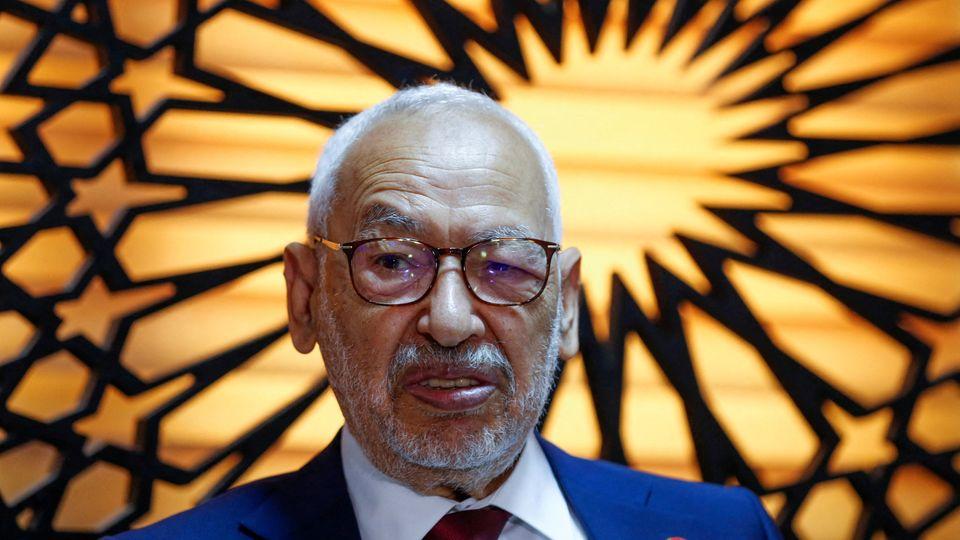
As Tunisia marks the second anniversary of prominent political figure Rached Ghannouchi’s imprisonment, calls for his release continue to grow. Allies and human rights advocates have increasingly voiced their concerns, labeling his detention as unjust and politically motivated. Ghannouchi, a key leader of the Ennahda party and a central figure in Tunisia’s post-revolutionary landscape, has faced a series of charges that his supporters argue are designed to stifle dissent and undermine opposition. This article delves into the implications of his prolonged incarceration for Tunisia’s political climate, the responses from international allies, and the broader ramifications for democracy in the region. As the situation evolves, the question of Ghannouchi’s fate remains a pivotal issue in a nation grappling with its identity and governance in a landscape of mounting political tensions.
International Response to Ghannouchi’s Detention and Its Implications for Tunisian democracy
International reactions to the detention of Rached Ghannouchi, the leader of Tunisia’s Ennahda party, have underscored deep concerns about the future of democracy in the country. Notable figures, including diplomats and human rights organizations, have articulated that Ghannouchi’s imprisonment is an affront to political plurality and reflects a broader trend of authoritarianism creeping into Tunisian governance. The following points summarize key aspects of the international response:
- Condemnation from Allies: Several Western allies have characterized the detention as unjust, calling for his immediate release.
- Human Rights Advocacy: Global human rights organizations have emphasized the need for due process and fair treatment under Tunisian law.
- Impact on International Relations: Countries that support Tunisia’s democratic transition are scrutinizing their diplomatic ties in light of current events.
The implications of Ghannouchi’s ongoing detention for Tunisian democracy are profound. The growing unease among international allies poses a challenge to the legitimacy of the current Tunisian government, which may find itself increasingly isolated on the global stage. As highlighted in the following table, international organizations are assessing their future engagements based on the commitment to democratic principles:
| Organization | Current Position | Potential Action |
|---|---|---|
| European Union | Critical of detention | Review of aid packages |
| United Nations | Calls for dialog | Reinforcement of monitoring |
| Human Rights Watch | Denounces human rights abuses | Mobilization of global awareness campaigns |
Legal Grounding of Ghannouchi’s Imprisonment: Allies Demand Transparency and Justice
supporters of Rached Ghannouchi are voicing strong concerns regarding the legal basis for his continued detention, questioning the transparency and fairness of the judicial proceedings that led to his imprisonment. They argue that the charges against him, which are often characterized as politically motivated, lack substantial evidence and do not meet basic legal standards. Many consider the government’s actions to be a tactic aimed at silencing dissent and undermining political opposition in the wake of Tunisia’s turbulent political climate.Legal experts have pointed out potential violations of due process, suggesting that the case reflects a troubling trend of judicial overreach in politically sensitive situations.
In light of these issues, his allies are mobilizing to demand clarity from the authorities, emphasizing the need for a judicial process that upholds fundamental rights and transparency. Key demands include:
- Independent inquiry: Call for an impartial review of the evidence against Ghannouchi.
- Legal representation: Ensure that Ghannouchi has access to competent legal counsel in all proceedings.
- Public accountability: Require that the government disclose details surrounding his arrest and the legal processes involved.
Amid these allegations, activists are organizing campaigns advocating for human rights and legal reforms in Tunisia. An overview of key points from press statements and public rallies highlights the unified stance of many opposition figures and international observers, who view Ghannouchi’s case as emblematic of broader struggles within the judicial landscape of Tunisia.
| key Issues | Concerns Raised |
|---|---|
| Judicial Independence | Perceived lack of impartiality in proceedings. |
| Political Motivation | Allegations that charges are aimed at suppressing political dissent. |
| Transparency | Demands for clearer communication regarding legal processes. |
The Significance of Ghannouchi’s Case in the context of Political Freedoms in Tunisia
The ongoing detention of Rached Ghannouchi, a prominent political figure in Tunisia, has raised meaningful concerns regarding the state of political freedoms in a country that was once hailed as a beacon of democratic transition following the Arab Spring. As allies proclaim his imprisonment to be unjust, Ghannouchi’s case serves as a litmus test for understanding the evolving landscape of civil liberties within Tunisia. Observers have noted that the way this case is handled could signal the government’s stance towards dissent and political opposition, notably for parties that have historically engaged in a dialogue with the ruling authorities.
Ghannouchi’s struggle is emblematic of broader issues affecting political activists and journalists in Tunisia,as many express fear of reprisals for speaking out against the current regime.Key points surrounding his case include:
- Potential Impact on Political Pluralism: Continued detentions could deter opposition parties from participating in the political process.
- Media Freedom at Stake: Journalists covering the case face increasing pressure, raising doubts about press autonomy.
- International Response: The reaction from global human rights organizations may influence Tunisia’s diplomatic relations.
As the situation unfolds, foreign observers and domestic advocates alike are closely monitoring the implications of ghannouchi’s detainment for Tunisia’s fragile democracy. The challenges posed by his case highlight the delicate balance between national security and the safeguarding of individual freedoms, ultimately questioning whether Tunisia can overcome its authoritarian tendencies and truly embrace a democratic ethos.
Future Outlook
As Rached Ghannouchi marks two years of detention, the calls from international allies for his release underscore the growing concern over the state of democracy and human rights in Tunisia. His case has sparked wider discussions about political repression and the challenges facing civil liberties in the region. Advocates argue that Ghannouchi’s prolonged imprisonment is emblematic of a troubling trend, where dissent is stifled in the name of political stability. As the situation evolves, the implications for Tunisia’s political future, and also its commitments to democratic principles, hang in the balance. The world watches closely,as the outcome of Ghannouchi’s situation could reverberate beyond tunisia,influencing the dynamics of democracy and governance across the Arab world.