
Tunisia’s Future: Addressing Climate and Economic Hurdles
In recent years, Tunisia has found itself at a crucial crossroads, grappling with the complex repercussions of climate change, economic challenges, and an increasing reliance on Algeria. As one of the most dynamic countries in North Africa, Tunisia is currently facing a climate crisis that threatens its agricultural productivity, water supply, and overall economic stability. The rise in temperatures coupled with erratic rainfall patterns is heightening the vulnerability of farmers and communities alike, exacerbating pre-existing socio-economic issues. Concurrently, Tunisia is experiencing a prolonged economic downturn marked by high unemployment rates and dwindling foreign investments. This situation has led to an increased dependence on Algeria for energy resources and trade relations-raising significant concerns about national autonomy and long-term sustainability. As Tunisia strives to confront these interconnected challenges directly, the effects of climate change alongside economic pressures will undoubtedly shape its future trajectory.
Impact of Climate Change on Tunisian Agriculture
The agricultural sector in Tunisia faces severe threats from various aspects linked to climate change. Rising temperatures combined with unpredictable rainfall are reducing crop yields and food production capabilities-endangering farmers’ livelihoods nationwide. Several critical factors contributing to this dire situation include:
- Decreased Water Availability: Altered precipitation patterns have led to unsustainable water levels in essential farming regions.
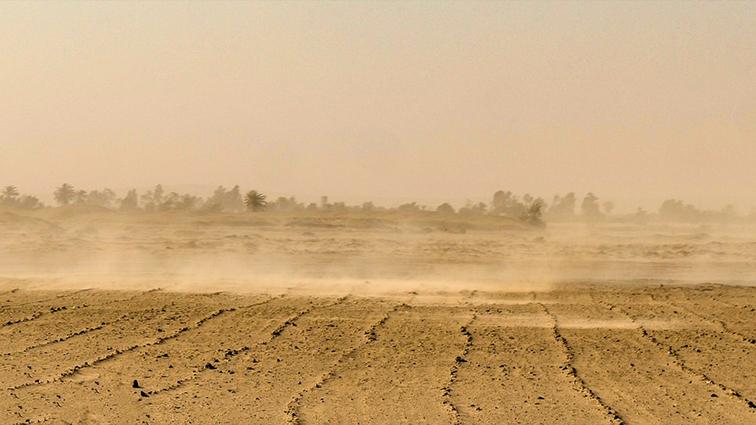
- Soil Degradation: Increased erosion rates along with desertification are diminishing arable land availability while complicating traditional farming practices.
- Pest Infestation: Warmer climates create favorable conditions for pests-posing significant risks to crop health.
This vulnerability driven by climatic changes undermines food security within Tunisia-making it increasingly susceptible to economic fluctuations. As local agricultural output declines further reliance on imports rises sharply; notably from Algeria which intensifies financial pressures while potentially destabilizing regional trade dynamics. Recent statistics illustrate this troubling trend:
| Year | % Dependency on Food Imports | % Change in Local Agricultural Output |
|---|---|---|
| 2019 | 45% | -2% |
| 2020 | 48% | -5% |
| 2021 |










