
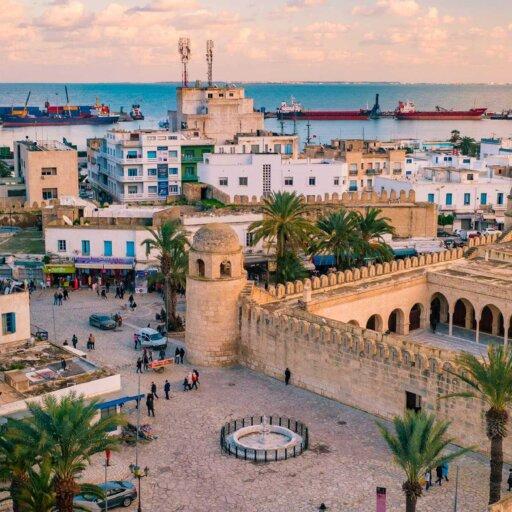
Reevaluating Tunisia-Israel Relations: A Transformative Phase for the Middle East
Recent years have witnessed substantial shifts in the geopolitical landscape of the Middle East, prompting nations to rethink their diplomatic approaches and alliances. Among the most compelling discussions is the potential formalization of relations between Tunisia and Israel. This development could significantly impact regional stability and collaboration. As Tunisia navigates its own political and economic challenges, establishing ties with Israel goes beyond mere foreign policy; it represents a vital step towards deeper engagement in broader Arab-Israeli dialogues. This article delves into the motivations for normalizing relations between Tunisia and Israel, exploring historical contexts, potential benefits, and obstacles that may arise in a region often characterized by conflict.
Economic Benefits of Establishing Tunisia-Israel Relations
The path toward normalization with Israel opens up numerous economic prospects that could greatly enhance regional stability. By fostering a collaborative environment, both nations can leverage mutual advantages that promote trade and investment opportunities. Tunisia stands to benefit from Israeli expertise across various sectors such as water resource management, agricultural advancements, and renewable energy technologies-critical areas essential for its developmental goals. Such partnerships could lead to increased agricultural efficiency, improved water conservation methods, and greater access to sustainable energy-all contributing to bolstering Tunisia’s economic resilience.
Furthermore, this normalization may serve as a catalyst for deeper integration within North Africa and beyond. The relationship holds promise for unlocking new markets while attracting foreign investments into Tunisian businesses. Key economic advantages include:
- Diverse Trade Opportunities: Access to Israeli markets can expand Tunisia’s export capabilities.
- Technology Transfer: Collaborative initiatives may enhance local entrepreneurship through shared innovations.
- Tourism Expansion: Strengthened diplomatic ties could boost tourism revenue from Israeli visitors.
- Investment Projects: Multilateral funding might be directed toward initiatives aimed at promoting regional stability.
Cultural Exchange: Building Bridges Through Understanding
The rich history shared by Tunisia and Israel provides an excellent foundation for cultural exchanges that can help bridge existing divides within the region. Engaging in open dialogue establishes crucial groundwork for mutual understanding beyond political disagreements. As both countries explore cooperative avenues-such as educational partnerships or cultural programs-they create opportunities not only to strengthen bilateral relations but also foster an environment where diverse perspectives can coexist harmoniously.
Cultural exchanges act as essential channels through which citizens from both nations can gain firsthand insights into each other’s traditions, values, and aspirations. Initiatives like art exhibitions or culinary festivals alongside youth exchange programs hold significant potential to showcase commonalities between their societies while cultivating empathy through shared experiences. These efforts play a critical role in dismantling stereotypes while promoting nuanced understandings among populations-a concerted initiative towards creating inclusive narratives that embrace each culture’s complexities is vital for encouraging peaceful coexistence moving forward.
Strategic Partnership: Advancing Beyond Stalemate in Middle Eastern Diplomacy
The historically fraught landscape of diplomacy within the Middle East has been marked by enduring tensions; however recent developments indicate transformative possibilities-particularly concerning relations between Tunisia and Israel. As these two nations contemplate steps toward normalization together they stand on the brink of potentially redefining regional interactions entirely.
This strategic partnership promises numerous benefits centered around pillars such as economic cooperation, safety collaborations, along with enriching cultural exchanges which would not only fortify diplomatic ties but also catalyze broader acceptance across Arab communities.
Additionally this process opens doors towards joint initiatives addressing shared challenges including issues likebattling extremism , tackling concerns overwastewater scarcity ,and enhancing overalleconomic resilience . By forming alliances focused on mutual gains both parties could spearhead efforts aimed at establishing lasting peace throughout their regions . With shifting public sentiments leaders are likely embracing pragmatic approaches prioritizing sustainable solutions reflecting citizen aspirations . Below is an overview outlining possible collaboration areas :
| Collaboration Area | Description |
|---|---|
| Economic Development | Joint ventures focusing on technology & agriculture sectors . |
| Security Collaborations | Information sharing mechanisms combating extremist threats . |
Cultural Outreach Programs   < td >  ;  ;Exchange initiatives building trust & understanding among citizens .  Â
Final Thoughts: A Crucial Moment Ahead?The movement towards normalizing relations between Tunisia &Israel marks a significant turning point within evolving geopolitics across this region today! While grappling internally with pressing political/economic matters establishing formal connections here holds promise-not just elevating international standing-but also paving pathways leading toward enhanced cooperation culturally/economically ensuring greater overall stability too! Although challenges remain surrounding these prospects careful consideration must be given due diligence exploring all angles involved before proceeding further down this road ahead! Observers worldwide will undoubtedly keep close tabs watching closely how decisions made now shape future dialogues/partnerships emphasizing need move past entrenched divisions striving instead collaboratively build brighter tomorrow together! Unlocking Tomorrow: H.E. Ambassador Duarte Lopes Shares Visionary Insights on Europe, North Africa, and the MediterraneanDuring a recent event hosted by the Stimson Center, participants delved into a captivating discussion about the evolving relationships between... Read moreDetails         |

