
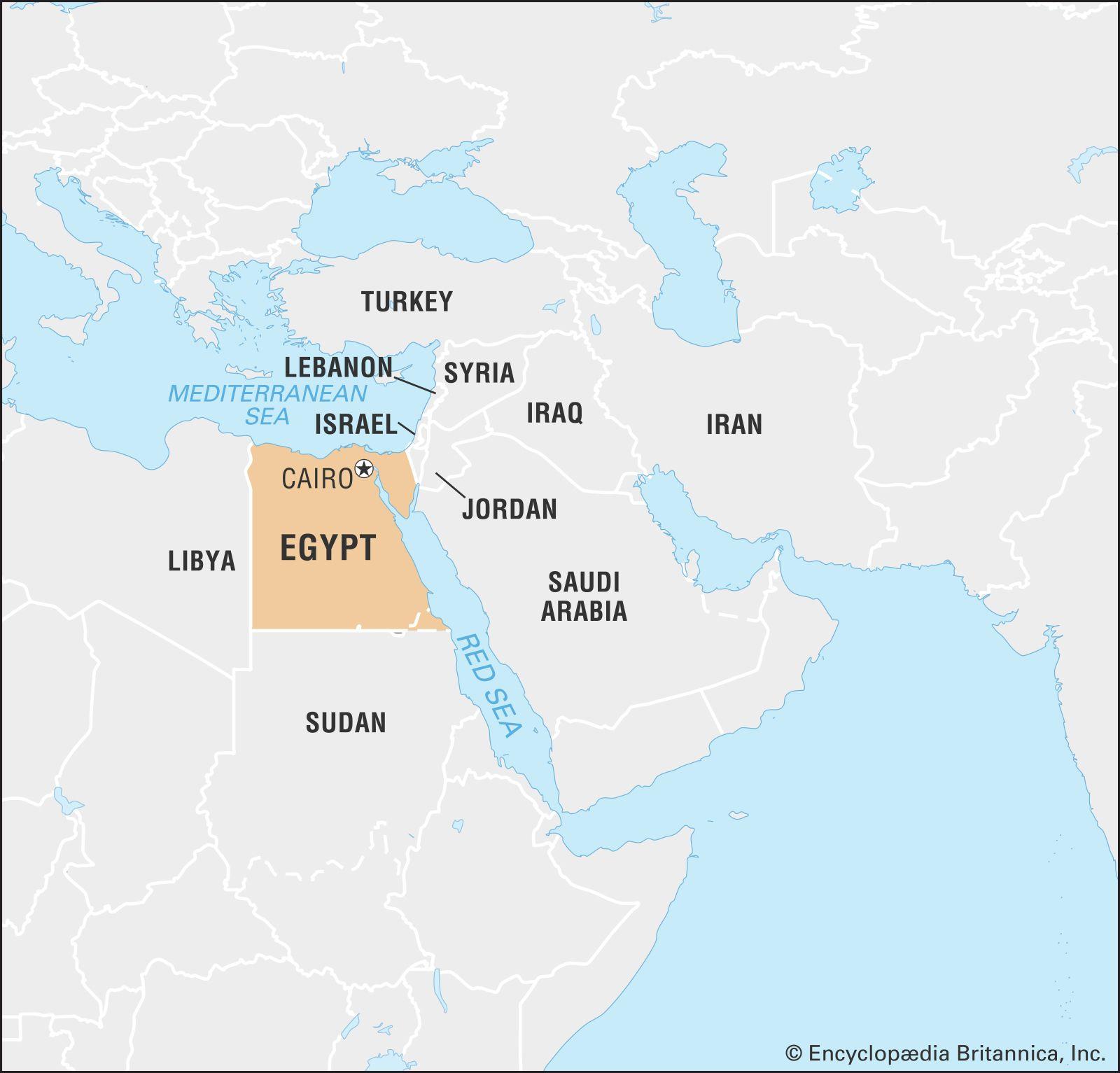
As the European Union grapples with the complexities of migration and asylum policies, the inclusion of Egypt, Tunisia, and Morocco on the EU’s list of safe countries of origin marks a critically important development in the ongoing discourse around refugee status and international protection. This designation aims to streamline processing for asylum seekers from these North African nations,asserting that individuals hailing from these countries are unlikely to face persecution or serious harm upon their return. However, this classification invites scrutiny and debate regarding the sociopolitical conditions within these states, raising important questions about human rights, governance, and the EU’s ethical obligations to those seeking sanctuary. In this article, we delve into the implications of this new policy, the context behind the classification, and the broader impact on migrants’ rights and regional stability.
Egypt,Tunisia and Morocco Designated as Safe Countries of Origin by the EU
In a significant move,the European Union has officially categorized Egypt,Tunisia,and Morocco as safe countries of origin. this designation is pivotal as it may streamline the asylum request process for individuals from these nations seeking refuge in Europe. By recognizing these countries as safe,the EU aims to expedite the return of those who do not qualify for international protection while together fostering a more efficient legal framework for migration. This decision is also intended to encourage cooperation with North African nations in managing migration flows and fostering regional stability.
The implications of this classification are numerous. Many migrants fleeing to Europe have cited various forms of persecution; however, the EU’s labeling of Egypt, Tunisia, and Morocco as safe implies that the majority of their citizens can expect protections from violence and discrimination. Key points surrounding this designation include:
- Reinforced asylum procedures: Simplified processes could lead to quicker evaluations of asylum claims.
- Increased returns: Migrants from these countries may find it harder to prove claims for asylum, leading to higher rates of return to their home countries.
- Potential for improved bilateral relations: Strengthened partnerships may arise between EU nations and North African states on migration policies.
To further illustrate the current situation and the implications of this designation, the table below summarizes the key human rights indicators in each country:
| country | Human Rights Rating | Key Challenges |
|---|---|---|
| Egypt | Moderate | Freedom of expression, political dissent |
| Tunisia | Fair | Judicial independence, social unrest |
| Morocco | Moderate | Press freedom, labor rights |
This development in the EU’s migration policy marks a crucial juncture in the continent’s approach to managing asylum seekers and reflects ongoing tensions surrounding immigration. As the socio-political landscapes of North African nations evolve, global observers will keenly watch how this classification influences migration dynamics and the human rights situation within these countries.
implications for Asylum Seekers and Migration Policies in Europe
The designation of Egypt, Tunisia, and morocco as safe countries of origin by the European Union introduces a significant shift in the landscape of migration policies across Europe. The implications for asylum seekers from these nations are profound, notably for those fleeing political turmoil, economic hardship, or human rights violations. Consequently, they face increased scrutiny and potential rejection of their asylum claims on the grounds that their home countries are now considered “safe.” This policy could lead to a rise in detained asylum seekers, who may remain in limbo while their cases are processed under the new classification. The possibility of being returned without a thorough evaluation of their individual claims raises ethical concerns about the treatment of vulnerable populations in need of protection.
Moreover, the political and social repercussions could extend beyond individual cases, influencing migration flows and public perception in Europe. The shift could embolden right-wing narratives that advocate for stricter border controls and harsher treatment of migrants.To explore these dynamics,it is important to consider the following points:
- Impact on asylum applications: The number of asylum seekers from these countries may fluctuate as individuals reassess their chances of successfully gaining asylum.
- pressure on border agencies: Increased workloads for immigration officials may result in longer processing times and potential backlogs.
- Human rights concerns: Potential violations in the examination process could arise, necessitating vigilant monitoring by human rights organizations.
evaluating Human Rights Conditions and Recommendations for Policy Reform
The inclusion of Egypt, Tunisia, and Morocco in the EU’s list of safe countries of origin raises significant concerns about the human rights conditions in these nations.International organizations and human rights advocates emphasize the ongoing issues such as restrictions on freedom of expression, arbitrary detentions, and discrimination against marginalized groups. A thorough assessment reveals a persistent pattern of state repression, where dissent is stifled, and civil society organizations face numerous challenges. These factors warrant a critical examination of what it truly means to be classified as “safe” in terms of asylum and migration policies.
To address these pressing human rights issues, several policy reforms shoudl be considered:
- promotion of Freedom of Expression: Encourage local authorities to uphold and protect the rights of individuals to voice dissent without fear of retaliation.
- Transparent Asylum processes: Implement transparent mechanisms for asylum seekers that consider the realities of human rights abuses in these countries.
- Strengthening Civil Society: Support non-governmental organizations through funding and international cooperation to foster a healthy civic space.
- Monitoring and Accountability: Establish independent monitoring bodies to assess human rights conditions regularly.
Final Thoughts
the inclusion of Egypt, Tunisia, and Morocco in the EU’s list of safe countries of origin marks a significant shift in European immigration policy. This designation potentially impacts the asylum processes for migrants from these nations,reflecting broader geopolitical considerations and the EU’s efforts to manage migration more effectively. As discussions continue around the implications of this classification, it is crucial for stakeholders—from policymakers to human rights advocates—to critically assess how these changes will affect the lives of those who seek refuge in Europe. The decision not only influences the future of many individuals but also shapes the dynamics of international relations within the region. As the situation evolves, ongoing monitoring and dialog will be essential to address the complexities surrounding safety and human rights in these countries.










