
Introduction
The transformative power of artificial intelligence (AI) is evident across various industries worldwide, yet its impact on the African continent is met with both enthusiasm and caution. The recent surge in AI innovations has sparked discussions about their potential to boost economies and improve living conditions throughout Africa. However, this excitement often intertwines with narratives that are heavily influenced by Western ideologies and technological frameworks. A recent article from Tech Xplore explores how the prevailing excitement surrounding AI not only shapes perceptions but also affects reporting and discourse regarding its application in Africa. It highlights the discrepancies between global expectations and local realities while advocating for a more nuanced approach that prioritizes context, ethical considerations, and inclusive storytelling. As Africa embarks on integrating AI into its fabric,it is crucial to identify necessary adjustments that align this emerging technology with the continent’s unique challenges and aspirations.
Western Narratives vs. African Realities: The Disparity in AI Discussions
The dominant narrative surrounding artificial intelligence within Africa frequently mirrors Western ideals, presenting a vision of technology that may not align with local realities. This trend results in an exaggerated portrayal of AI as a one-size-fits-all solution to issues faced by African nations while sidelining critical conversations about lasting practices, indigenous innovations, and traditional knowledge systems.By primarily focusing on advanced technologies from developed countries, media narratives risk eclipsing homegrown solutions specifically designed to tackle the distinct socio-economic landscapes found across Africa. This tendency to equate advancements in AI with overall economic growth can generate both excitement and also unrealistic expectations.
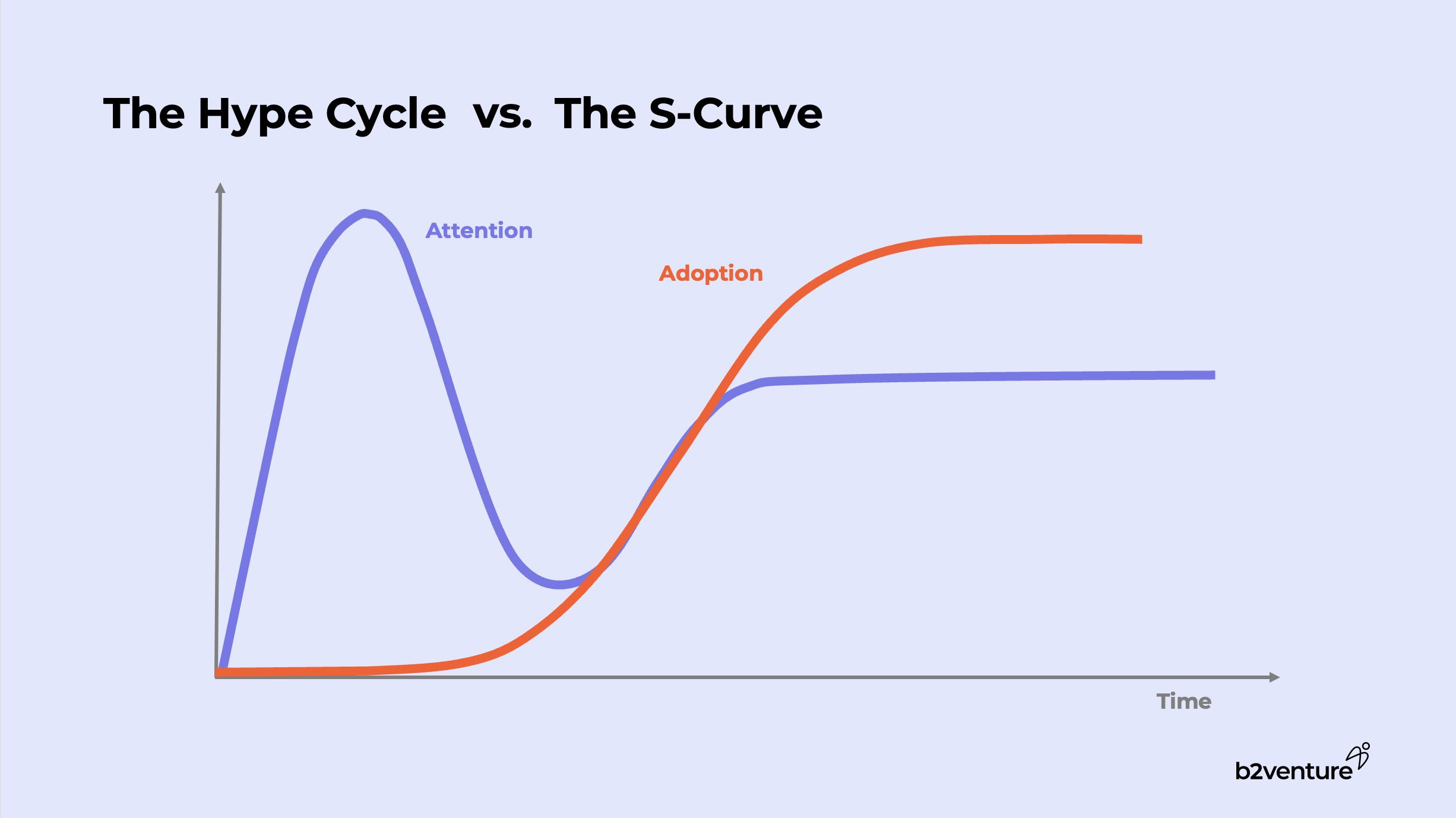
This emphasis on hype, rather than tangible progress impacts funding opportunities, policy development, and community involvement within AI initiatives. Stakeholders throughout Africa must critically evaluate how external narratives could create disconnects from local needs. To advance effectively requires fostering an inclusive dialog that elevates African voices within technology discussions-highlighting key areas such as:
- Pioneering indigenous innovations in AI.
- Diverse digital literacy initiatives.
- The ethical ramifications of deploying AI technologies.
- User-driven tech projects within communities.
By emphasizing these elements we can transition towards nurturing an innovative yet relevant ecosystem for artificial intelligence that empowers individuals across the continent.
Culturally Attuned Reporting for Sustainable Development in Artificial Intelligence
The rapid advancement of artificial intelligence necessitates acknowledgment of howand regional contexts substantially influence its prosperous application throughout Africa. Current media portrayals frequently enough adopt a, neglecting specific challenges alongside opportunities inherent within diverse African environments.This generalized perspective risks leading to misunderstandings or ineffective implementations of technological solutions which could stifle innovation efforts regionally.As we progress,it becomes essential for both media outletsand tech developers alike to prioritize understanding regional dynamics while engaging local experts along with incorporating grassroots insights into narratives concerningAI development.
A shift towards culturally attuned reporting also involves prioritizing stakeholder engagement at all levels.Fostering collaborations among various entities will be vital when crafting stories resonating deeplywithlocal audiences; journalists should consider:
- Civic Engagement: Highlighting experiences from community innovators utilizingAI technologies.
- Cultural Relevance: Recognizing socio-economic conditions shaping attitudes towardAI adoption.
- Moral Implications: Addressing potential consequences arisingfromthe useofAIwithinlocal populations.
By concentratingon these aspects,reports can evolveinto transformative tools driving sustainabledevelopmentinAItailoredto meetthe aspirationsandrealitiesofAfrican societies .
Essential Reforms: Prioritizing Local Knowledge & Inclusive Practices in Journalism About Artificial Intelligence
The fieldof journalism focusedonAIinAfricaoften findsitself dominatedbyexternalnarratives favoringWestern methodologies , sidelininglocaltalentsalongsidecontextualunderstanding . As platforms increasingly relyonautomatedtoolsandalgorithmsforcontentcreation , it’s essentialnotto overlookthesignificanceof-who possessdeepinsightintoculturalnuancesaswellas pressingcommunityissues . PromotinginclusivepracticeswithinAIsystems ensuresdiversevoicesarenotonlyacknowledgedbutareintegral intoshapingdiscoursearoundtechnology . ThisrequiresreassessingtrainingdatasetsandalgorithmsusedinAIsystemssoastoincludevariedperspectivesfromlocalauthors capableofbridginggapsbetweeninnovationandaudienceexpectations .
To facilitate these necessary reforms , collaborationsbetweentechcompaniesandlocamediaoutletscanplayapivotalrole.EstablishinganetworkthatfostersrelationshipsbetweendevelopersofthetechnologyandAfricanmedia landscapewillpromoteafairerecosystem.Keystrategiesshouldencompass:
- < strong >Educationalinitiatives : OfferworkshopsforlocaljournalistsonapplicationsrelatedtoAIsolutions.< / li >
- < strong >Jointventures : Launchcollaborativeprojectsbetweenmediacompanies&techfirmsaimedatdevelopingtailoredtoolsaddressregionalchallenges.< / li >
- < strong >Feedbacksystems : Createchannelsallowingjournaliststoassess&refineoutputsbasedontheirreal-worldapplicability.< / li >
< / ul >Focus Area< / th > Current State< / th > Potential Enhancement< / th > AIDevelopmentDatasets MainlyWestern-centric Addlocallanguages&contexts Concluding Remarks
The intersection between hype surroundingartificialintelligence & prevalentWesternvalues profoundlyshapesreportageacrossAfrica raisingvitalquestionsregardingaccuracy,relevance,andrepresentation.As developmentscontinueunfoldinginthisfield,journalists,policymakers,andtechnologistsmustjointlycraftmorethoughtfulnarrativesthatcenteraroundindigenousperspectiveswhileacknowledgingcontextualrealities.AddressingbiasesandelevatingnativevoiceswillenableAfricatoforgeanewpathforwardtowardsfairerdiscussionsaboutitsfuturewithtechnology.Asa collectiveunitengagedinthesechanges,theonusliesuponusalltoacknowledgeexistingdisparitieswhileworkingtogetherforthemoreinformative,culturallyawareapproachesresonatingdeeplywithAfricanexperiences.Moving ahead,a balancedrepresentationwillnotonlyenhanceconversationssurroundingaiforAfrica butalsoempowergenerationsreadytouseinnovationforsustainablegrowththroughoutthecontinent.










