
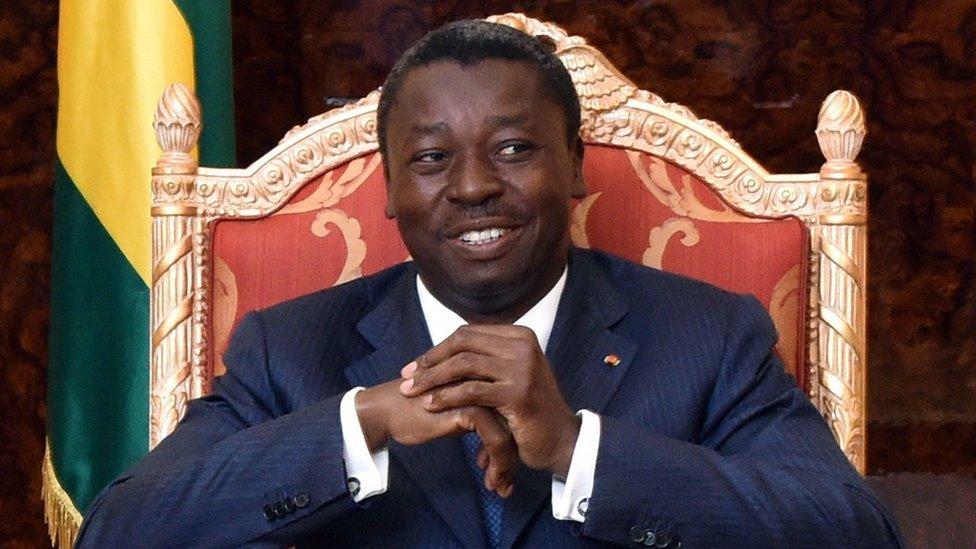

Togo’s Political Landscape: The Controversy Surrounding Indefinite Leadership
In a pivotal shift within Togo’s political arena,president Faure Gnassingbé has been assigned a new position that permits him to maintain his leadership indefinitely. This decision, made by the legislative assembly and revealed earlier this week, has sparked fierce criticism from opposition figures who denounce it as a “coup.” Concerns are mounting regarding the implications for democratic governance and political stability in Togo, where Gnassingbé has already held power for more than 15 years. detractors assert that abolishing term limits erodes democratic values and could create a hazardous precedent for other leaders across West Africa. As togo confronts the ramifications of this altered power dynamic, opposition groups are mobilizing to contest what they perceive as an overt attempt to centralize authority and suppress dissent.
Examining the Implications of Unlimited leadership in Togo
The recent changes in Togo’s governance have drawn significant attention both at home and abroad. Granting unlimited terms to the current president marks a notable transformation in how the nation is governed. Critics argue that this alteration undermines democratic foundations, effectively entrenching an authoritarian regime. They warn that without proper checks on power,there is an increased risk of abuse which could curtail civil liberties and suppress public dissent. The potential fallout from such decisions may be severe; similar actions in other countries have often led to widespread unrest.
Proponents of this leadership model might contend that it fosters continuity and stability during challenging economic times. They may argue that strong leadership is essential for maintaining order while implementing long-term strategies beneficial to citizens’ welfare. However,analysts caution against such reasoning; they highlight how eliminating term limits can cultivate an environment where leaders evade accountability towards their constituents. The effects of togo’s new political framework will likely unfold over time, necessitating careful scrutiny as global observers respond to these developments.
Opposition Reactions and Regional Responses to Political Changes in Togo
The recent shifts within Togolese politics have triggered significant backlash from opposition factions who view these changes as detrimental to democracy itself. Political activists have voiced strong objections, characterizing the redefinition of presidential powers as a strategy aimed at perpetuating control indefinitely. Opposition representatives have referred to it as “a disguised coup,” asserting that dismantling term limits jeopardizes electoral integrity and undermines democratic governance.
- Jean-Pierre Fabre: Described the government’s actions as “a blemish on Togo’s aspirations for democracy.”
- Abdoulaye Yaro: Called for civil disobedience efforts aimed at questioning the legitimacy of this new regime.
- Atchan Gbenou: Urged grassroots mobilization against what he termed “the resurgence of dictatorship.”
The reactions from neighboring nations vary considerably; many express concern about preserving democratic institutions within Togo itself. The Economic Community of West African States (ECOWAS) has urged Togolese authorities to adhere strictly to democratic principles while promoting inclusive governance practices amidst rising fears about potential unrest fueled by increasing authoritarianism.
| Nations | Their Stance |
|---|---|
| ghana | Pushed for peaceful dialog aimed at restoring democratic norms. |
| Benin | Sided with opposition factions advocating unity against autocratic rule. |
Strategies for Enhancing Democracy and Governance in Togo
A robust democracy requires thorough reforms addressing existing weaknesses within Togolese governance structures.
Key initiatives should include:
- Institutional Reforms: Enhancing electoral commission independence ensures fairer elections free from manipulation.
- Court independence: Strengthening judicial autonomy upholds legal standards while safeguarding citizens’ rights.
- Diverse Political Portrayal: Fostering a vibrant political landscape guarantees equitable access for all parties regarding media coverage & resources.
Additionally, prioritizing human rights protection remains crucial thru measures like: