
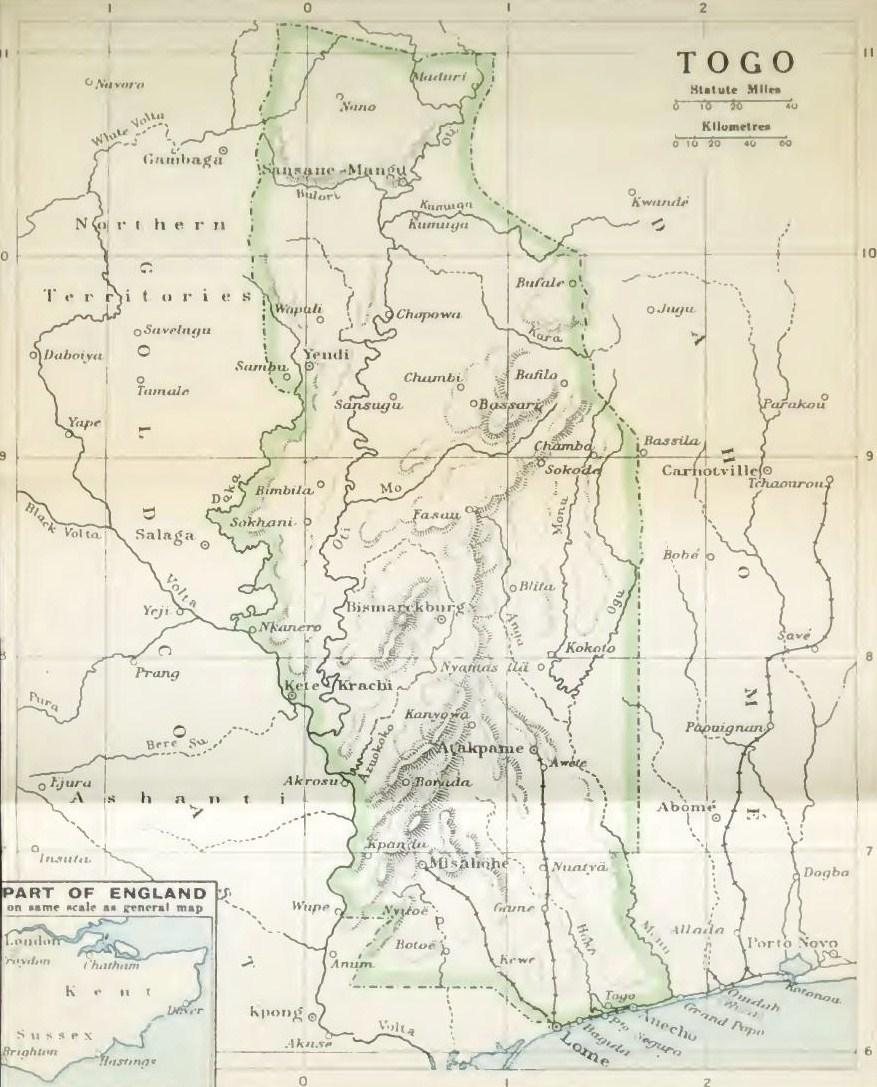
In recent weeks, Togo has re-emerged on the global radar as a potential conflict zone following a significant escalation in violence linked to the Jama’a Nusrat ul-Islam wa al-Muslimin (JNIM), a prominent jihadist group in West Africa. This alarm came to the forefront after JNIM successfully overran a military base near the border with Burkina Faso, raising urgent concerns about the security implications for Togo adn its neighboring countries in the Sahel region. As the specter of extremist violence looms larger, this incident underscores the fragile nature of stability in a region grappling with a surge in terrorist activity. In this article, we will explore the implications of this military incursion, the response from Togolese authorities, and the broader ramifications for regional security amidst an increasingly volatile landscape.
Togo’s Escalating Security Crisis Amid JNIM’s Strategic Advances
Togo has recently emerged as a focal point of concern in West Africa, amid intensifying military actions by Jama’at Nasr al-Islam wal Muslimin (JNIM). Following the attack on a border military base, which resulted in alarming casualties and the capture of weapons, the stability of the region hangs in the balance. The military base, a crucial line of defense against insurgent encroachment, was overwhelmed, signaling not just a tactical setback for Togo but also highlighting the increasing audacity of JNIM’s operations in neighboring countries. This group has been systematically expanding its influence throughout the Sahel, leveraging vulnerabilities along the borders of countries like Togo, which historically has experienced a degree of relative peace compared to its volatile neighbors.
The ramifications of this security crisis are far-reaching and multifaceted. Stakeholders are now faced with significant challenges, including:
- Increased Military Preparedness: The Togolese goverment is compelled to bolster military readiness and engage in strategic collaborations with neighboring nations.
- Civilian Safety: The security of civilians has deteriorated, with a rising number of internally displaced persons and an urgent need for humanitarian assistance.
- Regional Stability: The spillover effect of unrest may destabilize not only Togo but also the broader West African region, requiring coordinated international responses.
In light of these developments, analysts stress the necessity for comprehensive strategies that address both immediate security needs and the underlying socio-economic factors fueling extremism. Ongoing dialog among governmental, military, and international stakeholders is crucial to developing an effective framework for countering JNIM’s influence and restoring security to Togo’s borders.
Understanding the Regional Implications of the Military Base Overrun
The recent overrun of a military base in Togo by the Group for Support of Islam and Muslims (JNIM) has significant ramifications for the broader West African region. This event not only destabilizes Togo but also serves as a stark reminder of the increasing volatility along the Sahel region. As extremist groups exploit weaknesses in national security, neighboring countries are alarmed at the prospect of spillover violence.Key factors influencing regional dynamics include:
- Increased Militancy: The success of JNIM in Togo may embolden other extremist factions operating in the area.
- Refugee Influx: An upsurge in conflict could displace populations, leading to humanitarian crises in bordering nations.
- International intervention: The overrun may prompt calls for greater international military assistance, raising the stakes for foreign involvement in regional affairs.
- Shifts in Alliances: Governments may realign their defense strategies and regional partnerships in response to the growing threat.
The geopolitical implications extend beyond immediate security concerns, as economic stability in the region hangs in the balance. Trade routes, energy supplies, and cross-border cooperation efforts risk being disrupted. The table below highlights potential economic impacts across affected countries:
| country | Projected Economic Impact | Potential Response |
|---|---|---|
| Togo | Reduction in GDP growth by 2% | Heightened security measures |
| Ghana | Increased border security costs | Enhanced regional alliances |
| Benin | Risk of refugee influx affecting local economies | Preparedness plans for humanitarian support |
Strategies for Strengthening Togo’s Defense and Community Resilience
In light of the recent security challenges facing Togo, it is paramount that the government and local authorities implement comprehensive strategies aimed at fortifying both defense capabilities and community resilience. Strengthening military infrastructure should be a priority,which includes enhancing training for armed forces and improving logistics and interaction systems. Additionally, engaging with regional partners for intelligence sharing and joint training exercises could provide a strategic edge against militant groups such as JNIM.
Equally important is the role of community engagement in building resilience against conflict. Empowering local populations through education and awareness programs can foster a sense of responsibility and vigilance against potential threats. Initiatives might include:
- Community policing to bridge the gap between security forces and residents.
- Conflict resolution workshops that equip communities with tools to manage disputes peacefully.
- Support for local economies to reduce the appeal of extremist recruitment by enhancing job opportunities.
By integrating military enhancements with robust community support mechanisms, Togo can establish a holistic approach to security that addresses the root causes of instability while improving the overall safety of its people.
To Conclude
the recent developments in Togo highlight the precarious security situation in the region, as JNIM’s incursion and subsequent takeover of a military base underscore the growing influence of militant groups across borders. The events signal a shift in Togo’s stability, raising alarm over the potential spillover effects on neighboring nations and the broader West African security landscape. As local and international stakeholders assess the implications of this resurgence in violence, it becomes imperative to foster collaborative strategies to address the multifaceted challenges posed by such extremist factions. With the stakes increasingly high,the commitment of regional powers,along with international partners,will be crucial in restoring security and preventing further destabilization in togo and beyond. As this situation evolves,vigilant monitoring and strategic responses will be essential in efforts to reinforce peace and uphold stability in the region.










