
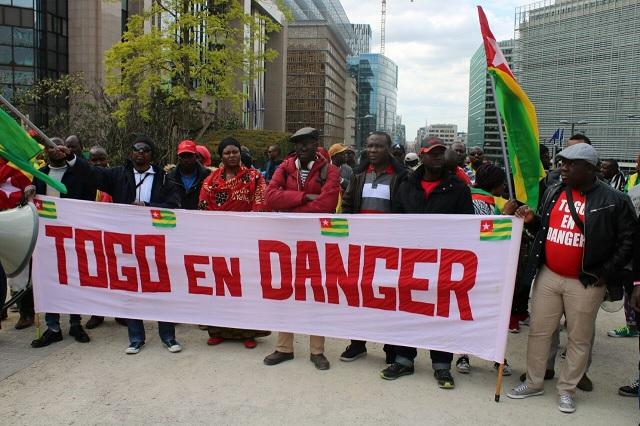
Analyzing Togo’s Constitutional Changes: A Move Towards Authoritarian Rule
Togo has recently become a central topic in discussions about governance, democracy, and the limits of political power. Following a series of constitutional changes labeled as a “constitutional coup,” the political landscape in this West African country has shifted significantly. Critics argue that these amendments are intended to strengthen authoritarian control under President Faure Gnassingbé, who has been in power as 2005. As leaders across the continent observe Togo’s political maneuvers, this contentious situation raises meaningful questions: Could Togo’s actions serve as a troubling example for other autocratic regimes looking to solidify their grip on power through seemingly legitimate reforms? This article explores the implications of Togo’s constitutional changes, evaluating their impact on democracy and governance both domestically and across Africa while examining how those in authority can manipulate ostensibly lawful processes.
The Shift in Togo’s Political Landscape
Togo stands at a critical crossroads where its historical context under the Gnassingbé family has cultivated an increasingly authoritarian environment. Over time, democratic values have gradually diminished due to electoral fraud and systematic suppression of dissenting voices. The 2019 elections, which were plagued by allegations of fraud and violence, underscored alarming trends that could reshape governance models throughout West Africa. This shift raises concerns about whether Togo serves as a warning sign for neighboring countries or as an instructional case for autocrats seeking to entrench their rule under the guise of constitutional legitimacy.
The following elements significantly contribute to this drift towards authoritarianism:
- Constitutional Modifications: Amendments made to constitutional provisions allow leaders to extend their terms without genuine public support.
- Squelching Opposition: Political rivals face harassment and imprisonment, fostering an environment where dissent is silenced.
- Censorship of Media: A media landscape heavily influenced by state control impedes unbiased reporting and enables ruling parties to dictate narratives surrounding governance.
A especially troubling outcome is the emergence of a political climate where legitimized power struggles overshadow democratic transitions. The repercussions stemming from Togo’s trajectory resonate throughout West Africa-a region already grappling with challenges related to governance and civil liberties-highlighting an urgent need for renewed vigilance from both regional organizations and global observers.
Effects of Constitutional Changes on Governance
The recent alterations made to Togo’s constitution have sparked significant debate regarding their potential effects on regional governance frameworks. By altering term limits and centralizing authority, government officials are leveraging these changes as instruments for reinforcing control-raising alarms among citizens and international watchdogs alike. This scenario exemplifies an escalating trend wherein constitutional frameworks are manipulated leading directly toward weakened democratic norms. The consequences can be broadly categorized into several key areas:
- Centrally Consolidated Authority: Elected officials may exploit new regulations granting them greater autonomy while circumventing essential checks on their powers.
- Pervasive Political Turmoil: Resistance from opposition groups alongside civil society could provoke unrest resulting in heightened political instability.
- Diplomatic Repercussions: The international community might respond with sanctions or diplomatic measures that could further isolate the nation from global partnerships.
An analysis focused on how these developments might influence neighboring countries is crucial; if other leaders adopt similar tactics observed in Togo’s case study they may successfully consolidate power without facing immediate backlash themselves.Below is a comparative overview highlighting recent constitutional changes across various nations within the region:
| Nation | Date of Change | Description |
|---|---|---|
| Togo |
This evolving landscape underscores why it is indeed vital for stakeholders engaged in discussions about constitutional reforms remain vigilant; repercussions extend well beyond Togolese borders affecting broader regional governance frameworks significantly.
Strategies To Strengthen Democracy In West Africa
In light Of Recent Controversial Constitutional Changes In TOGO That Have Raised Concerns About Eroding Democratic Norms Across WEST AFRICA , it is indeed Imperative To Explore Effective Strategies For Strengthening Democratic Resilience . A Collaborative Approach Involving Government Accountability , Civil Society Empowerment And International Cooperation Can Provide A Robust Foundation For Safeguarding Democratic Institutions .Key Strategies May Include :
- Enhanced Civic Education : Raising Awareness Of Citizens’ Rights And Responsibilities Can Empower Individuals To Engage Actively In Governance.
- Strengthening Political Institutions : Allocating Resources Into Independent Electoral Bodies Ensures Fair Elections While Upholding Democratic Standards.
- Promoting Media Independence : Supporting Unbiased Journalism Encourages Openness And Holds Leaders Accountable For Their Actions .
- Encouraging Youth Engagement : Creating Platforms That Motivate Young People To Participate Politically Fosters New Leadership Perspectives.
- < Strong >Forming Regional Coalitions : Encouraging Countries Within The Region Unite Against Authoritarianism Through Shared Commitments Toward Democracy .
Additionally , Addressing Root Causes Of Discontent Such As Poverty , Unemployment And Corruption Is Essential For Promoting Stability While Discouraging Autocratic Governance Practices ; Collaborations Between Local Entities Alongside International Stakeholders Can Cultivate An Environment Conducive To Meaningful Reform Efforts ; Noteworthy Examples Include Direct Foreign Aid Initiatives Targeted At :
/ tr />
/thead />/ tbody />
Conclusion: Insights From Togos Experience On Protecting Democracy
Togos Recent Constitutional Amendments Highlight Disturbing Trends That Could Extend Beyond Its Borders Offering Potential Playbook Authoritarian Regimes Seeking Consolidate Power Under Guise Legitimacy ; As Political Narratives Are Increasingly Shaped Through Legal Maneuvers Implications Democracy Africa Beyond Become Starkly Apparent ; Situation Invites Critical Examination Existing Power Structures Manipulate Frameworks Extend Reigns Frequently enough Expense Principles Civil Liberties Observers Citizens Must Remain Vigilant Drawing Lessons Togos Experience Safeguard Institutions Resist Allure Autocracy Dressed Constitutional Clothing.
Unlocking Tomorrow: H.E. Ambassador Duarte Lopes Shares Visionary Insights on Europe, North Africa, and the Mediterranean
During a recent event hosted by the Stimson Center, participants delved into a captivating discussion about the evolving relationships between...
Read moreDetails








- < Strong >Forming Regional Coalitions : Encouraging Countries Within The Region Unite Against Authoritarianism Through Shared Commitments Toward Democracy .

