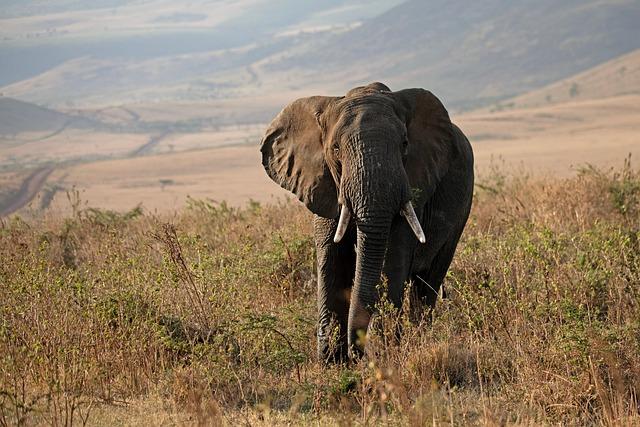
In a meaningful move towards wildlife conservation and community relations, Tanzania has officially ruled out the culling of elephants as a strategy to mitigate human-wildlife conflicts. This decision, reported by Bernama, reflects the nation’s commitment to protecting its iconic elephant populations while addressing the challenges posed by these majestic animals encroaching on agricultural lands.The declaration comes amid rising concerns over the balance between wildlife conservation and the livelihoods of local communities, who frequently enough bear the brunt of conflicts with roaming elephants.As countries grapple with the complexities of coexistence between humans and wildlife, Tanzania’s stance emphasizes the pursuit of lasting solutions that prioritize harmony and biodiversity. This article explores the implications of this decision,the measures being considered in place of culling,and the ongoing efforts to foster coexistence in one of Africa’s most ecologically diverse regions.
Tanzania’s Commitment to Conservation: Rejecting Culling as a Solution to Human-Wildlife Conflict
Tanzania has made a significant decision in favor of wildlife conservation by rejecting the option of culling elephants as a means to address the escalating issue of human-wildlife conflict. This landmark move comes amid growing concerns about the impact of such measures on biodiversity and ecological balance. The government recognizes that culling not only undermines conservation efforts but also poses ethical questions about the treatment of these majestic creatures, which hold both ecological and cultural significance in the region. Instead, Tanzanian officials are prioritizing alternative strategies to mitigate conflicts that arise from elephant migration and human settlement overlaps.
Among the alternatives under consideration, the government aims to implement and enhance the following strategies:
- Community Engagement: Involving local communities in wildlife management to foster coexistence and reduce conflict.
- Innovative Technology: Utilizing technology like GPS tracking and drone surveillance to monitor elephant movements and warn communities of potential intrusions.
- Fencing Solutions: Creating barriers that protect crops and properties while allowing wildlife to move freely within their natural habitats.
- Compensation Programs: Establishing financial support for farmers affected by wildlife to ease economic burdens and encourage peaceful coexistence.
This multifaceted approach not only aims to protect elephants but also seeks to empower local communities,fostering a more harmonious relationship between humans and wildlife across the nation.
Exploring Alternative strategies for Managing Human-wildlife Interactions in Tanzania
In a significant policy shift, Tanzania has committed to finding sustainable alternatives to the controversial practice of elephant culling, which has historically been seen as a solution to mitigate escalating human-wildlife conflicts. By ruling out culling, the Tanzanian government aims to protect its elephant populations while still addressing the challenges faced by communities living near wildlife habitats.This decision marks a broader recognition of the necessity to balance conservation efforts with the needs of local populations, ensuring that solutions are not only effective but also ethical.
To navigate the complexities of human-wildlife interactions, a suite of innovative strategies is being explored, including:
- Community-Based Wildlife Management: Empowering local communities to participate in conservation efforts, providing them with incentives to protect wildlife rather than see them as a threat.
- Conflict Mitigation Programs: Implementing initiatives that reduce interactions between humans and elephants, such as building barriers and using technology to monitor wildlife movements.
- Education and Awareness Campaigns: Informing communities about the ecological value of wildlife and promoting coexistence through understanding and respect.
- Monetary Compensation: Developing schemes to compensate farmers for losses incurred due to wildlife, helping them to view these animals as valuable rather than detrimental.
Assessing the Role of community Engagement and Education in Promoting Coexistence with Elephants
The ongoing conversation surrounding human-wildlife conflict in Tanzania has placed a spotlight on the importance of community engagement and education as pivotal strategies for fostering coexistence with elephants. By actively involving local populations in conservation efforts, communities are better positioned to understand the ecological significance of these majestic animals. Collaborative initiatives provide platforms for locals to share their experiences and concerns, which can lead to tailored solutions that benefit both people and wildlife. This inclusive approach not only cultivates a sense of ownership but also dispels myths that often paint elephants as mere pests rather than integral components of the ecosystem.
Education plays a crucial role in redefining perceptions about elephants and promoting peaceful coexistence. Through awareness campaigns and workshops, community members can learn about methods to minimize conflicts, such as leveraging fence technology to protect crops and understanding elephants’ migratory patterns to prevent confrontations. Furthermore,teaching sustainable practices enables communities to benefit economically from nearby wildlife through eco-tourism,turning potential adversaries into allies in conservation.Ultimately,fostering a culture of respect and gratitude for elephants among locals is essential for ensuring their survival alongside human interests.
Insights and conclusions
Tanzania’s decision to rule out elephant culling as a strategy to mitigate human-wildlife conflict reflects a growing recognition of the need for sustainable and humane approaches to wildlife management. This policy shift underscores the importance of conservation methods that prioritize the coexistence of human communities and wildlife. By focusing on alternative solutions such as community engagement, habitat improvement, and conflict resolution initiatives, Tanzania aims to protect its rich biodiversity while addressing the livelihood concerns of its people. As the country navigates this complex issue, it sets an crucial precedent for other nations grappling with similar challenges, highlighting the potential for innovative and compassionate strategies in wildlife conservation.