
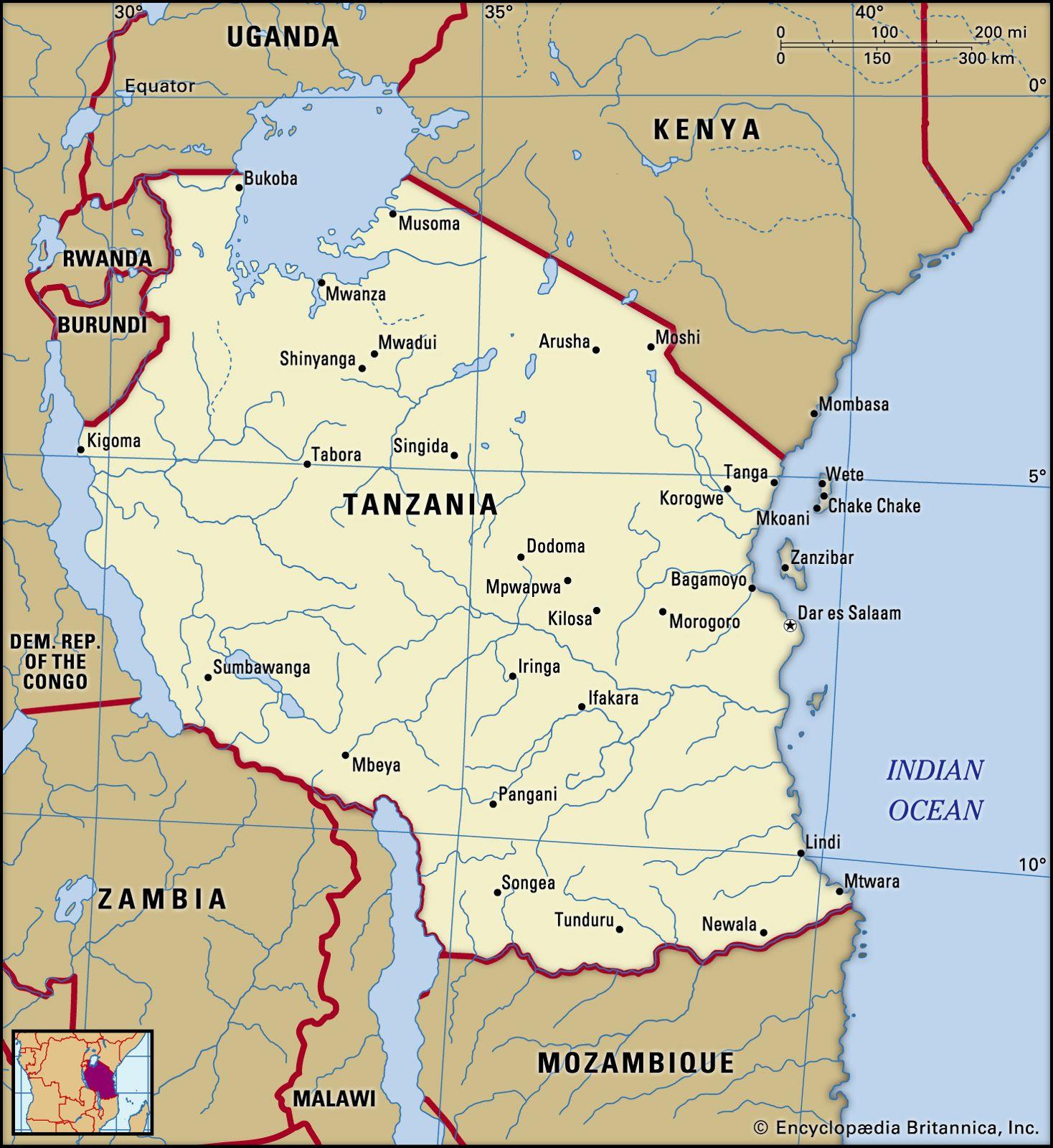
In a notable announcement that has captured the attention of both local and international observers, Tanzania has officially set October 29 as the date for its upcoming general election. This pivotal event comes amidst rising concerns regarding the exclusion of opposition parties, raising questions about the fairness and openness of the electoral process. As tensions mount and political dynamics shift, many fear that the upcoming election may not adequately reflect the will of the Tanzanian populace. As the nation prepares to head to the polls, this article will explore the implications of the election date, the current political climate, and the fears surrounding opposition exclusion, shedding light on a crucial moment in Tanzania’s democratic journey.
Tanzania’s Upcoming General Election and the Shadow of Opposition Exclusion
As Tanzania approaches its general election scheduled for October 29,concerns about the exclusion of opposition parties loom large over the political landscape. Despite the official call for the election, key opposition figures have faced significant barriers that challenge the legitimacy of the democratic process. Observers have noted a trend of increased suppression of dissenting voices, raising alarms about the state of political freedoms in the country. Notably, several prominent opposition leaders have been disqualified from participating, leading to fears that their exclusion could undermine the credibility of the electoral outcome.
Furthermore, reports indicate that the ruling party has ramped up its efforts to control the narrative and limit the activities of opposition blocs. The implications of this are profound, as they suggest a climate stifled by censorship and a lack of genuine political competition. Key issues that have been sidelined include:
- Voter Mobilization: Limited access to rallies and public forums for opposition parties.
- Media Restrictions: Tight control over both state and autonomous media covering political events.
- Legal Challenges: Increasing judicial obstacles facing opposition candidates.
In light of these factors, the upcoming election in Tanzania appears less a celebration of democracy and more a test of the authorities’ commitment to an inclusive political process. Civil society organizations and international observers are urging the government to ensure a fair playing field for all candidates,emphasizing that genuine democratic elections require broad participation and respect for essential freedoms.
Analyzing the Political Landscape Ahead of the October 29 Vote
As Tanzania gears up for the October 29 general election, the political landscape remains fraught with tension and uncertainty.Analysts are closely monitoring the situation, notably with regard to the participation of the opposition. The ruling party’s previous tactics to suppress dissent raise alarms about the fairness of the upcoming vote. Key concerns include:
- Opposition Exclusion: There are whispers of systemic barriers aimed at sidelining opposition candidates, leading to fears of a tightly controlled electoral habitat.
- Public Sentiment: Citizen frustration is palpable as many feel disenfranchised; surveys indicate a growing desire for robust political engagement.
- International Observers: The lack of transparency has prompted calls for increased presence of watchdogs to ensure the integrity of the electoral process.
Moreover, the ruling party’s campaign strategies pivot around messaging that highlights national stability, yet critics argue that this comes at the cost of genuine democratic practices. A recent table illustrates the disparity in campaign funding and support between major parties:
| Party | Estimated Campaign Budget (USD) | Recent Polling Percentage (%) |
|---|---|---|
| Ruling Party | $5,000,000 | 60% |
| Opposition Party A | $1,000,000 | 25% |
| Opposition Party B | $500,000 | 10% |
| Independent Candidates | $200,000 | 5% |
This stark contrast in resources underscores the challenges that opposition parties face as they navigate a politically charged atmosphere riddled with constraints. The outcome of the election will likely depend on how effectively diverse voices can mobilize support and engage a populace eager for change.
Recommendations for Ensuring Inclusivity and Fairness in Tanzania’s Electoral Process
To foster a more inclusive electoral environment in Tanzania, it is crucial for stakeholders to focus on several key strategies. First, ensuring that all political parties have equal access to media and campaign resources can significantly enhance diversity in depiction. Additionally, establishing independent electoral bodies tasked with overseeing the fairness of the process is vital. Stakeholders should engage in regular dialogues with civil society organizations to address concerns around voter suppression and discrimination, creating an atmosphere where every voice matters.
Furthermore,adopting transparent methods for voter registration and expanding the use of technology can help streamline electoral processes and mitigate fraud.Implementing targeted outreach programs to educate marginalized communities about their voting rights is essential. Cooperation with international observers can also add a layer of credibility to the elections, ensuring that they meet global standards for democracy. The following table highlights potential recommendations for enhancing fairness in the upcoming elections:
| Proposal | Action |
|---|---|
| Media Access | Ensure equal advertising opportunities for all parties |
| Electoral Oversight | Create independent election monitoring committees |
| Voter Education | Launch outreach programs targeting underrepresented groups |
| International Engagement | Invite neutral observers to ensure adherence to electoral standards |
Wrapping Up
as Tanzania prepares for its general elections on October 29, the landscape remains fraught with tension and uncertainty, particularly regarding the participation of opposition parties.Observers emphasize the critical need for a transparent electoral process to ensure legitimate representation and public confidence in the democratic system. As the nation approaches this pivotal date, it will be essential for local and international stakeholders to monitor developments closely, advocating for fair practices that uphold the rights of all political entities. The coming weeks will be telling, not only for the future of Tanzania’s governance but also for the broader implications on democracy in the region.










