
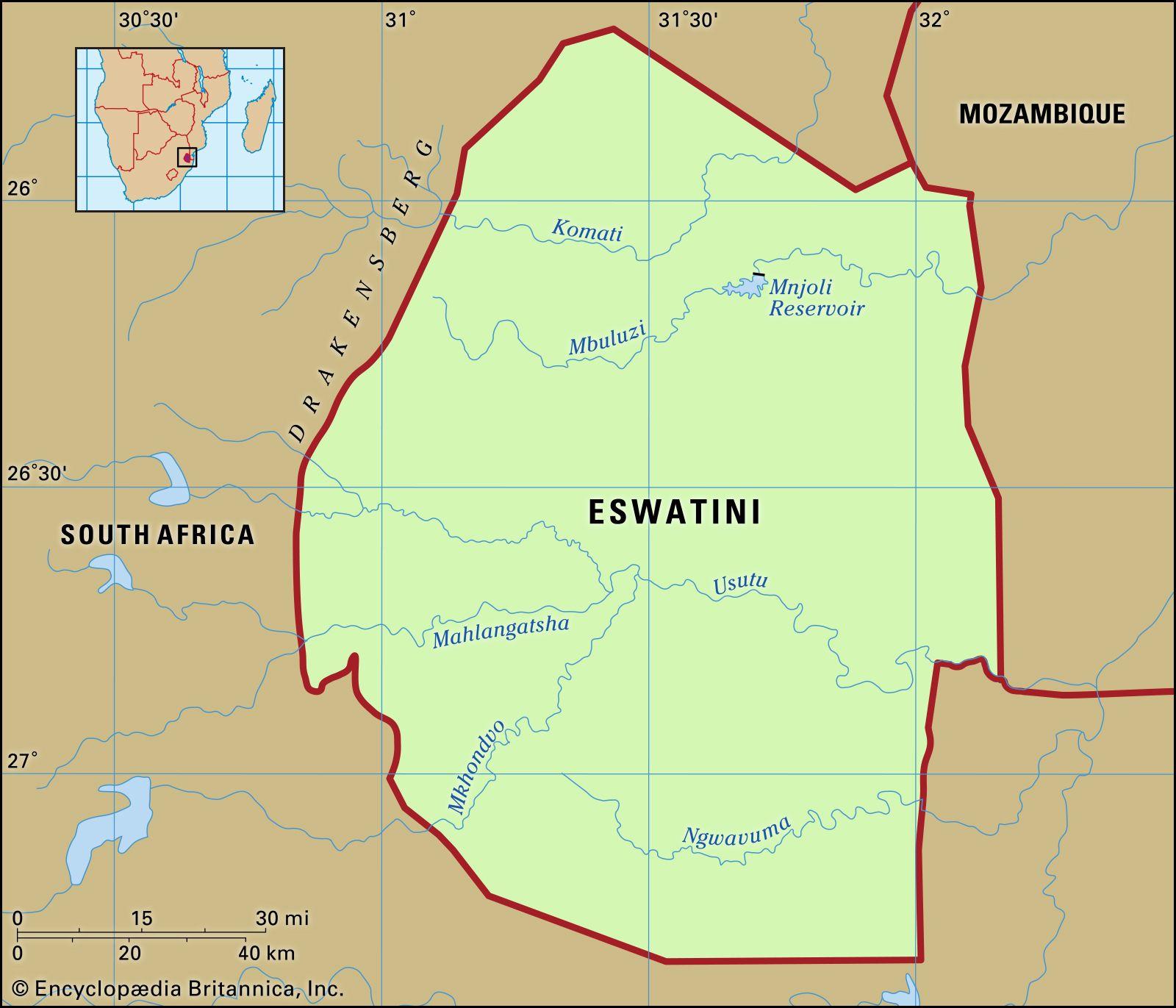
Embracing a New Identity: The Transformation of Swaziland into the Kingdom of eSwatini
In a landmark decision that underscores a profound cultural heritage, King Mswati III has officially rebranded Swaziland as “the Kingdom of eSwatini,” which translates too “land of the Swazis.” This declaration, made during the festivities celebrating the king’s 50th birthday, is part of a larger initiative aimed at safeguarding and promoting Swazi culture in an era marked by globalization. The renaming not only signifies a break from colonial history but also seeks to bolster national pride among its citizens. As eSwatini embraces this new identity, it encounters both opportunities and challenges on the global stage. This article explores the ramifications of this name change, its historical significance, and responses from local communities as well as international observers.
Cultural Importance Behind Renaming Swaziland to eSwatini
The choice to rename Swaziland to eSwatini is deeply rooted in cultural significance and historical context.For many residents, “eSwatini” symbolizes a reconnection with their heritage; it reflects their identity in the siSwati language. This transformation fosters an enhanced sense of belonging among the people while reinforcing their unique cultural narrative on an international scale. The renaming serves as a departure from colonial influences and stands as an assertion of national pride—mirroring similar movements across Africa where nations have sought to reclaim their original identities.
While some critics may question the practicality behind such changes, there is no denying its cultural weight. The rebranding will likely impact various sectors including tourism and diplomatic relations. It becomes crucial for eSwatini to educate both visitors and global audiences about what this new name represents through:
- Cultural Initiatives: Programs that celebrate traditional customs and history.
- Marketing campaigns: Strategies aimed at showcasing eSwatini’s rich cultural legacy.
- Youth Education: Efforts focused on teaching younger generations about their heritage.
This transition presents leaders with the challenge of harmonizing modernization with preserving traditional narratives. As eSwatini carves out its place globally, maintaining indigenous languages and customs will be vital for sustaining national identity.
impact on national identity and Global Relations
The shift from Swaziland to the Kingdom of eSwatini represents more than just a name change; it marks a pivotal evolution in how citizens perceive themselves culturally. By adopting this indigenous name, they position themselves as protectors of traditional values—a move that can considerably enhance national unity. This initiative aims not only at symbolism but also at weaving together historical threads that foster collective memory among citizens while boosting social cohesion.
On an international level, this rebranding could reshape diplomatic interactions since names often reflect sovereignty and cultural importance within global discourse.Countries may now view eSwatini differently, recognizing it not merely as another African nation but rather as one rich in distinct narratives worthy of exploration—perhaps opening doors for enhanced trade relations and tourism opportunities centered around authentic experiences.
Strategies for Promoting Cultural Heritage & tourism Potential in eSwatini
Tapping into eSwatini’s vibrant heritage requires strategic promotion that highlights both its unique culture and stunning natural landscapes.A focus on digital marketing initiatives can significantly boost visibility for potential travelers seeking enchanting destinations like these.The following strategies are recommended:
- Create an interactive official tourism website featuring virtual tours showcasing key heritage sites.
Additonally , fostering community involvement through sustainable practices enhances visitor experience . By collaborating closely withlocal artisans andcultural guardians ,e swatinican offer authentic experiences while simultaneously supporting economic growth .Key initiatives might include :
| Initiative | Description | ||||
|---|---|---|---|---|---|
| Cultural Festivals | An annual festivity highlighting local traditions designed attract visitors whilst raising awareness about diverse cultures. | ||||
| Eco-Tourism Packages | |||||
|
< td> |










