
Introduction
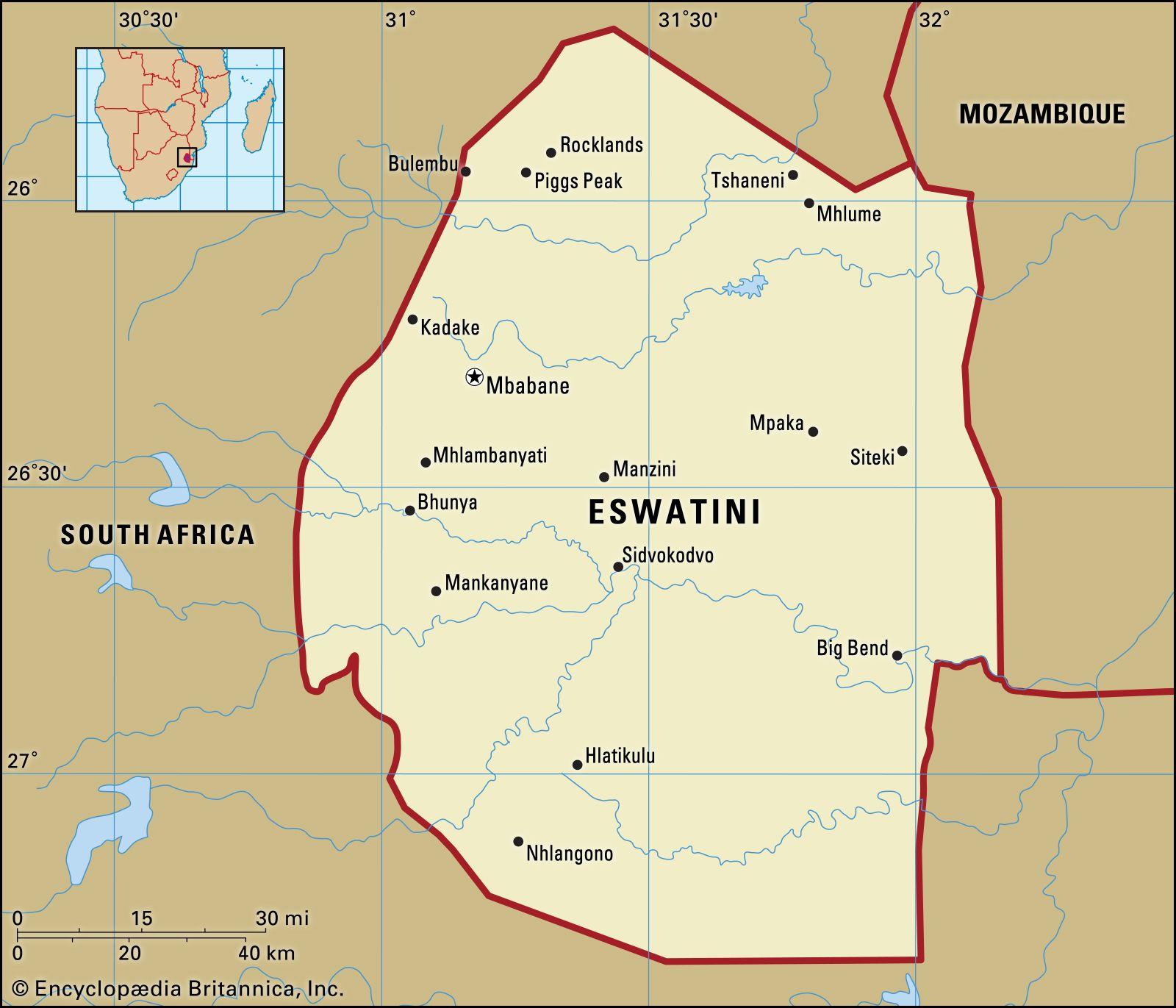
In a significant step towards bolstering economic growth and fostering lasting development, the Kingdom of Eswatini has unveiled its National Micro, Small, and Medium Enterprises (MSME) Policy for 2024-2029, a strategic initiative supported by the United Nations Development Program (UNDP). Aimed at enhancing the livelihoods of citizens and empowering local businesses, this policy seeks to create a more inclusive economic environment that recognizes the pivotal role MSMEs play in job creation and innovation. As Eswatini navigates the post-pandemic landscape, this policy not only lays a foundation for resilience and recovery but also aligns with the broader United Nations Sustainable Development Goals (SDGs). In this article, we will explore the key components of the MSME policy, its anticipated impacts on the local economy, and the collaborative efforts between the government and international partners to ensure its triumphant implementation.
Understanding the Framework of the Eswatini National MSME Policy 2024-2029
The eswatini National MSME Policy 2024-2029 establishes a thorough framework designed to stimulate the growth and sustainability of micro, small, and medium enterprises (MSMEs) across the nation. Focused on creating an enabling environment, the policy emphasizes key areas such as access to finance, market development, and capacity building.By addressing barriers faced by MSMEs,the framework seeks to drive innovation and enhance competitiveness,ultimately contributing to broader economic development and job creation.
central to this policy is the commitment to stakeholder engagement and collaboration, ensuring that voices from various sectors — including government, private sector, and civil society — are heard. The approach includes:
- Improving regulatory frameworks to reduce bureaucratic hurdles
- Enhancing access to digital tools and technologies
- Promoting entrepreneurship education and training
These initiatives are supported by targeted funding mechanisms and infrastructure investments aimed at fortifying the MSME ecosystem in Eswatini. As the nation moves forward, this policy serves as a strategic blueprint for fostering inclusive economic growth that leaves no one behind.
Key Strategies for Empowering Small and Medium Enterprises in Eswatini
To foster growth in small and medium enterprises (SMEs) across Eswatini, strategic initiatives must focus on enhancing access to resources and markets. A key component is the development of financial support systems unique to the needs of SMEs, which can include:
- Micro-financing opportunities to encourage entrepreneurship.
- Grants and subsidies for innovative projects that increase competitiveness.
- Tax incentives for small businesses to stimulate growth and job creation.
Moreover, it is essential to promote capacity building programs that equip entrepreneurs with the necessary skills to navigate the market effectively. This can be achieved through initiatives like:
- Training workshops on fundamental buisness practices.
- Mentorship programs linking budding entrepreneurs with experienced business leaders.
- Access to digital tools that enhance operational efficiency.
Collaboration among stakeholders, including government bodies, NGOs, and private sector partners, can significantly amplify the impact of these strategies. By creating a supportive ecosystem, the following collaborative efforts could prove beneficial:
- Networking events to facilitate connections between SMEs and larger enterprises.
- Joint ventures that allow SMEs to leverage shared resources and expertise.
- Public-private partnerships that foster innovation and infrastructure development.
Such integrated approaches can serve to not only empower existing SMEs but also inspire a new wave of entrepreneurship, ultimately strengthening the economy of Eswatini.
Recommendations for Effective Implementation and Monitoring of the MSME Policy
To ensure the successful execution of the MSME policy,it is essential to establish robust frameworks that encompass all stakeholders in the ecosystem. This includes fostering collaboration between government agencies, private sector players, and community organizations. Key recommendations for effective implementation are:
- Strengthening Training Programs: Regular workshops and training sessions should be conducted to equip MSME owners with critical business skills.
- Enhancing Access to Finance: Instituting financial literacy programs alongside tailored financial products to suit the needs of MSMEs.
- Monitoring and Evaluation Mechanisms: Establish comprehensive metrics and KPIs to assess the progress of MSME development initiatives.
- Creating an MSME Advocacy Group: Form a body that represents the interests of MSMEs and engages with policymakers.
For effective monitoring, it is vital to leverage technology and data analytics to track progress and identify areas for enhancement. A proposed framework for monitoring includes:
| Indicator | Data Source | Frequency of Assessment |
|---|---|---|
| MSME Growth Rate | National Statistical Office | Annually |
| Access to Financing | Financial Institutions | Biannually |
| Job creation in MSMEs | Labor Market Surveys | Quarterly |
| Training Participation Rates | Training Providers | Monthly |
these measures will not only enhance the transparency and accountability of the implemented initiatives but also ensure that MSMEs receive the necessary support to flourish within the economy.
Concluding Remarks
the Eswatini National MSME Policy 2024-2029 represents a significant step forward in fostering a robust ecosystem for micro, small, and medium enterprises in the contry. Supported by the United Nations Development Programme, this policy not only outlines a strategic framework aimed at enhancing the growth and sustainability of MSMEs but also emphasizes the critical role these enterprises play in driving economic development and job creation.
by targeting key areas such as access to finance, capacity building, and market integration, the policy seeks to address longstanding challenges that MSMEs face. Moreover, its alignment with the broader Sustainable Development Goals underscores the commitment to inclusive economic growth and social equity.
the successful implementation of this policy will hinge on collaborative efforts among government entities, private sector stakeholders, and international partners. As Eswatini embarks on this vital journey, the hope is that the National MSME Policy will not only empower entrepreneurs but also catalyze a transformative shift in the national economy, paving the way for sustainable prosperity in the years to come. The eyes of both local and international communities will undoubtedly remain on eswatini as it endeavors to unlock the full potential of its MSME sector.










