
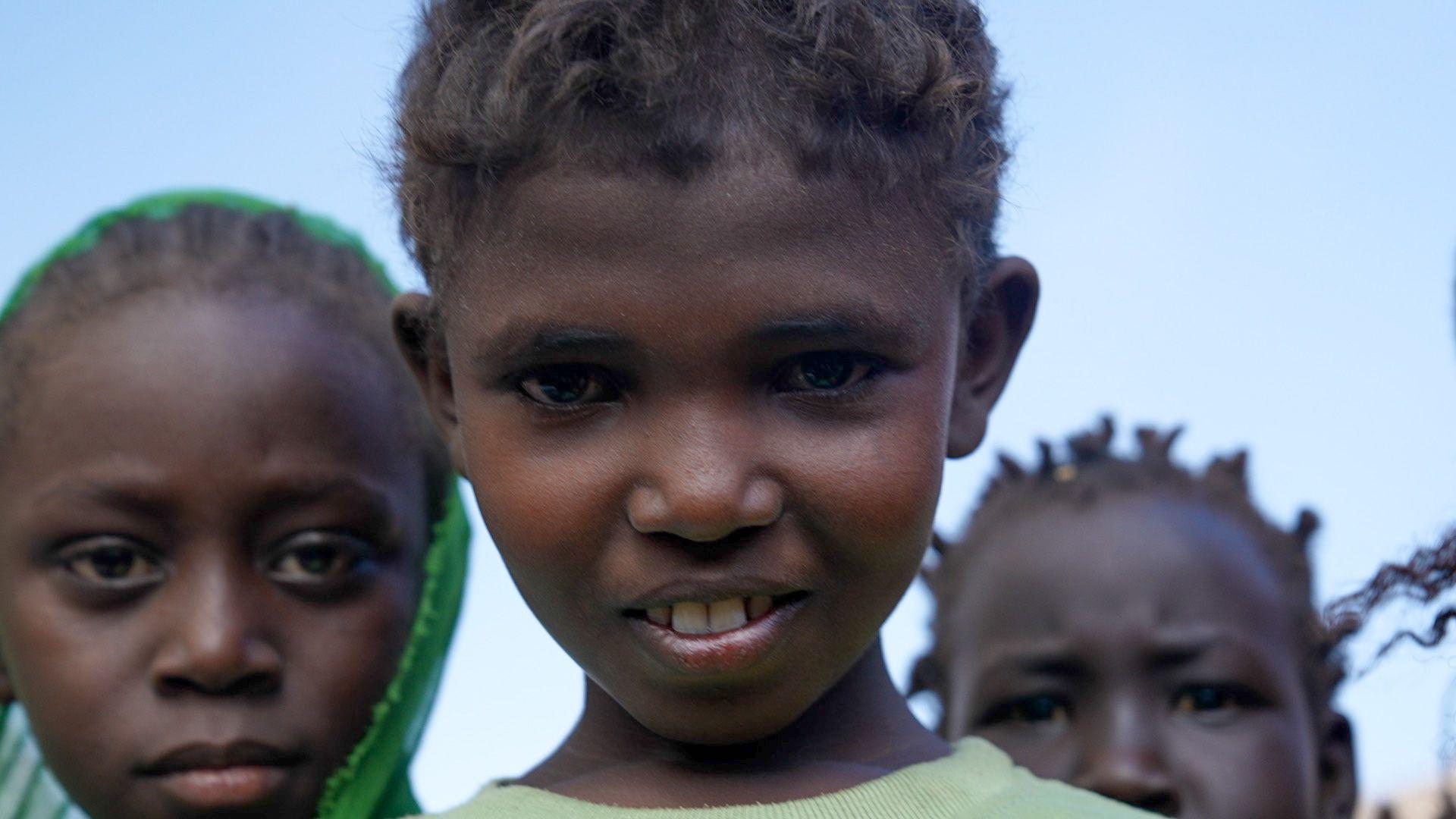
In the looming crisis that has gripped Sudan, a heartbreaking humanitarian emergency is unfolding as an alarming number of children face the dire consequences of extreme malnutrition. UNICEF has issued a stark warning, revealing that countless young lives are being drastically undermined, with many children “reduced to skin and bones.” This catastrophic decline in health can be attributed to a complex interplay of conflict, displacement, and deteriorating living conditions that have left families struggling to secure even the most basic necessities of life. As the international community grapples with this escalating situation, UNICEF is calling for urgent action to address the immediate needs of vulnerable children and to stave off a deepening tragedy that could change the fabric of Sudanese society for generations to come. In this article, we delve into the current state of child welfare in Sudan, the factors contributing to this crisis, and the critical steps needed to provide relief and support for those most affected.
UNICEF Reports Alarming Malnutrition Rates Among Children in Sudan
The ongoing crisis in Sudan has reached a critical juncture, with UNICEF revealing shocking statistics regarding childhood malnutrition in the region.Reports indicate that over 2.5 million children are suffering from acute malnutrition, with a meaningful proportion classified as severely malnourished. This dire situation has led to children being described as “reduced to skin and bones,” as families face unimaginable hardships amidst escalating conflict, economic instability, and a lack of access to essential resources. The conditions have resulted in soaring rates of food insecurity, exacerbating the already fragile health situations for children across the country.
To address this escalating crisis,UNICEF has called for urgent action from the international community. The institution emphasizes the need for immediate humanitarian assistance, including:
- Increased food distribution to affected areas
- Routine health screenings to monitor and manage malnutrition
- Access to clean water and sanitation facilities
- Support for healthcare services that cater specifically to children
The alarming malnutrition rates not only threaten the immediate health of these children but also risk their long-term development and survival. UNICEF estimates that without timely intervention, the consequences could be devastating, leading to increased child mortality and lifelong health issues.
Urgent Humanitarian Response Needed to Combat Imminent Child Starvation
The situation for children in Sudan is dire, with reports indicating alarming levels of malnutrition. Many children are suffering from severe acute malnutrition, leading to devastating physical consequences. UNICEF has raised the alarm,emphasizing that action must be taken promptly to prevent a humanitarian catastrophe. The organization is advocating for increased support to ensure that children receive:
- Immediate access to nutritious food
- Medical care and treatment for malnutrition
- Psycho-social support to help young survivors cope
As the conflict in Sudan continues to exacerbate the crisis, the international community must step up its efforts. Local aid organizations, backed by global partners, are urgently needed to deliver essential resources and services to the most vulnerable populations.To prioritize these critical interventions, it’s crucial to mobilize funding and humanitarian assistance.The following table highlights the key areas requiring immediate investment:
| Area | Funding Needed | Estimated Beneficiaries |
|---|---|---|
| Food Distribution | $10 million | 1 million children |
| Medical Supplies | $5 million | 500,000 children |
| Psycho-social Programs | $3 million | 200,000 children |
Long-term Solutions Required to Address the Root Causes of Food Insecurity in Sudan
The situation in Sudan necessitates immediate attention to the underlying issues contributing to widespread food insecurity. This crisis is not merely a result of recent conflicts or natural disasters but is deeply rooted in systemic challenges that inhibit agricultural productivity and economic stability. To effectively tackle these issues, it is indeed essential to focus on strengthening local food systems, which involves investing in enduring farming practices and supporting local farmers with resources and training. Additionally, efforts must be made to improve infrastructure including roads and storage facilities, enabling better access to markets for rural communities. Furthermore, establishing long-term programs aimed at integrating nutrition education and food security awareness into the education system can empower the next generation to make informed dietary choices.
Moreover,building resilience against future crises is imperative for safeguarding the livelihoods of vulnerable populations. Initiatives should include the development of social safety nets that offer support to families during times of hardship, and also promoting microfinance opportunities that allow small-scale producers to invest in their operations. Collaboration with international organizations can amplify these efforts,facilitating a comprehensive approach that not only addresses immediate hunger but also works towards sustainable development. A multi-faceted strategy involving government, civil society, and local communities is crucial to address the root causes of food insecurity and to foster a path towards lasting stability for the people of Sudan.
| Root Cause | Suggested Long-term Solution |
| Lack of agricultural resources | Investment in sustainable farming practices |
| Poor infrastructure | Advancement of roads and market access |
| Low nutrition awareness | Integration of nutrition education in schools |
| Vulnerability to crises | Establishment of social safety nets |
| Limited financial access | Promotion of microfinance opportunities |
In Summary
the dire situation facing children in Sudan is a stark reminder of the urgent humanitarian challenges that persist in conflict-affected regions across the globe. UNICEF’s alarming reports of malnourished children, described as “reduced to skin and bones,” underscore the critical need for immediate action and international support. With millions at risk, it is essential for governments, organizations, and individuals to rally together to address this crisis.Without timely intervention, the consequences for the health and future of Sudan’s youngest citizens will be devastating. As global citizens, we must remain vigilant in our efforts to advocate for these vulnerable children, ensuring they receive the assistance they desperately need to survive and thrive.










