
Introduction
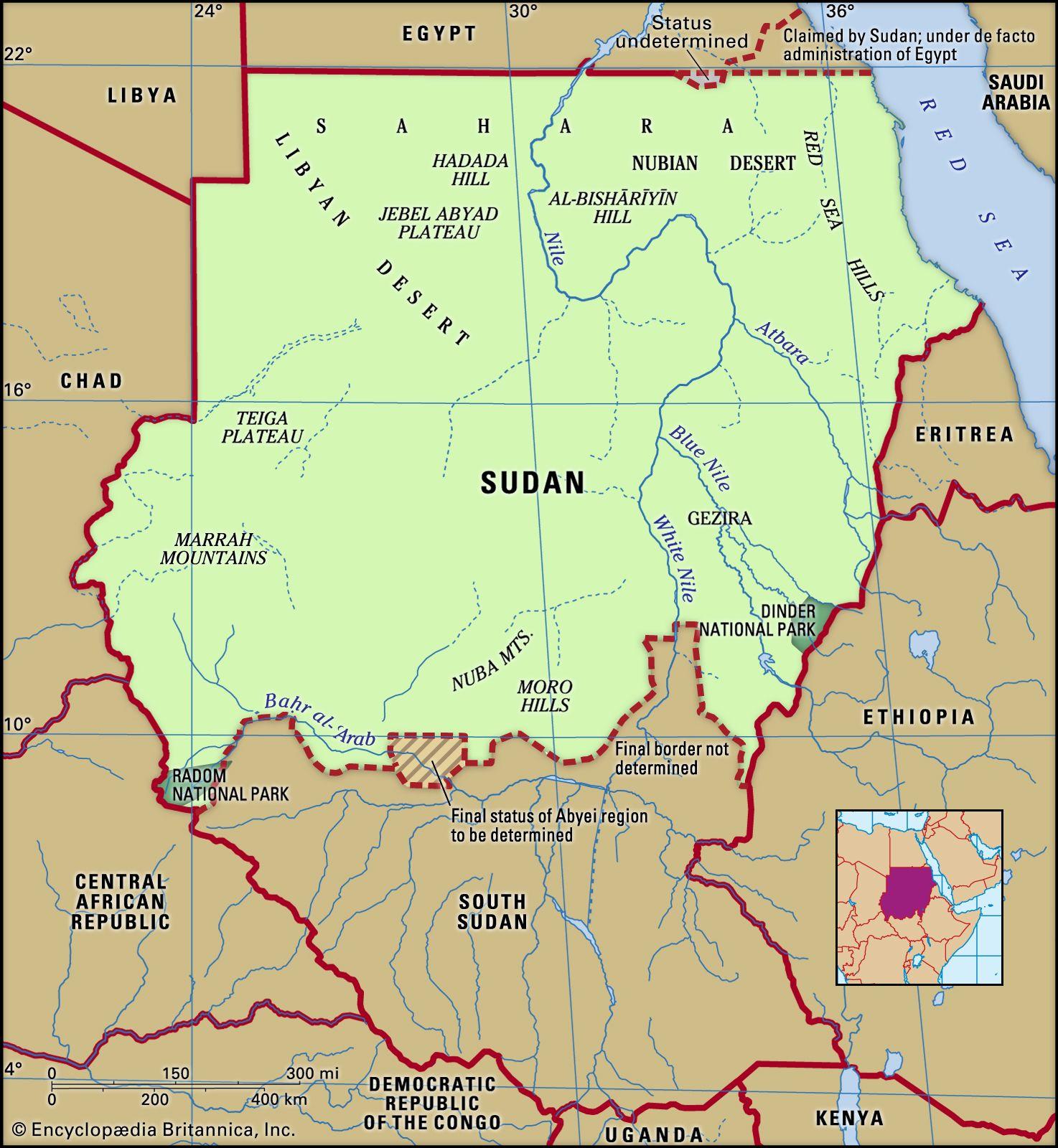
Situated in the heart of East Africa, Sudan has emerged as a critical zone of human distress and political instability.The country has faced prolonged periods of conflict, mass displacement, and widespread violence, leaving millions in dire circumstances. Recent reports from the United Nations highlight the deepening crisis, calling for an immediate international response. This article delves into the devastating realities faced by Sudanese citizens, examines the root causes fueling this ongoing turmoil, and emphasizes the crucial role that global stakeholders must play to mitigate these profound tragedies. As Sudan stands at a critical crossroads, any failure to act will have consequences that ripple far beyond its borders.
Global Response Needed for Humanitarian Crisis
The situation in Sudan has deteriorated alarmingly; violence is rampant while humanitarian needs are escalating rapidly. Currently, over 6 million people are on the brink of famine-a clear signal indicating an urgent requirement for humanitarian aid. International organizations are racing against time to deliver essential resources; though,access remains severely limited due to ongoing conflicts and logistical challenges. Reports indicate that around 5.4 million children are suffering from acute malnutrition-making it imperative for global actors to respond promptly to protect vulnerable populations.
This multifaceted crisis demands a coordinated response from nations across the globe. Factors contributing significantly to this alarming situation include:
- Displacement: Over 2 million individuals have been forced from their homes into precarious living conditions.
- Lack of Healthcare: Medical facilities are overwhelmed with insufficient supplies and personnel.
- Deteriorating Infrastructure: Many roads and bridges have been destroyed or rendered impassable, hindering aid delivery.
To effectively address this escalating humanitarian crisis within Sudan requires immediate collaboration on an international scale.Countries must prioritize diplomatic negotiations while ensuring open humanitarian corridors facilitate necessary support for those affected.
Accountability Through International Law in Sudan’s Atrocities
The persistent conflict within Sudan has resulted in numerous atrocities that profoundly impact its social structure.As humanity confronts these unimaginable horrors, international law serves as a vital instrument for fosteringand preventing future violations. Legal frameworks established by international agreements such as the Rome Statute governing the International Criminal Court (ICC) play an essential role by addressing actions taken by perpetrators committing crimes against humanity or war crimes-serving not only as mechanisms for individual accountability but also nurturing collective memory aimed at healing a nation scarred by violence.
The implementation of international legal standards within Sudan necessitates a comprehensive approach involving cooperation among regional bodies alongside global entities focused on key areas such as:
- Adequate Enforcement Mechanisms: Strengthening local judicial systems’ capacity to effectively investigate crimes.
- Sustained International Support:Engaging global partners actively backing transitional justice initiatives.
- < strong>Civic Participation:< / strong >Ensuring affected communities’ voices shape justice processes through active involvement.< / li >
To illustrate how international law can positively influence such scenarios,a coordinated effort might involve establishingsimilar tothe ones seen after previous conflicts.This approach not only delivers justice but also actsas deterrenceagainstfutureatrocities.An effective strategy towards resolvingthe currentcrisisinSudanshouldemphasizebothimmediateaccountabilityneedsalongside long-term goalsaimedatachieving enduringpeace.< / p >
Building A Unified Future For Sudanese Communities
AsSudan navigatesitsongoingchallenges,the significanceofcommunityengagementcannotbe overstatedforachievinglastingpeace.< strong Grassroots organizations< / strong >playan integralroleinthisprocessbyfacilitatingdialoguesamongvariousfactionswithin society.Theseorganizationscanimplementprogramsfocusedon:< / p >
- < strong Conflict Resolution:< / strong >Providingtraininginmediationandnegotiationskills .< / li >
- < strong Cultural Exchange:< / strong >PromotingunderstandingthroughworkshopsthatshowcasethediversecultureswithinSudan.< / li >
- < strong Shared Economic Initiatives:< / strong >Encouragingcollaborationonprojectsthatpromotecommunityprogresswhileminimizingcompetitionforresources .< / li >
Inaddition,< stronger governmentalandinternational support remainscrucialforimplementingsustainable solutions.Byprioritizingpoliciesthatareinclusiveandrepresentativeofallethnicgroups,a frameworkforpeacecanbeestablished.Keystrategiesmightinclude :< table class= "wp-block-table" >
< th >< stronger Strategy< / stronger >< th >< stronger Description< / stronger > < td >DecentralizationofPower < td EducationforPeace Final Thoughts on The Path Forward For Sudan’s Recovery
As developments unfold withinSudan,theinternationalcommunitymustremainalertandresponsive totheemerging challenges.The recent reportsfromtheUnitedNationshighlighttheurgentneedforthroroughactiontoaddressbothimmediatehumanitarianneedsaswellastherootcausesdrivingconflict .Withmillionsdisplaced,countlesslivesupended,and systemicviolencecontinuouslyongoing,it isimperativethatgloballeaders,humanitarianorganizations,andcivilsocietyworktogetherinseekingeffective solutionsOnlythroughsustainedattention,humanitarianaid,andconcertedefforts towardpeacebuildingcanwehope restore dignityandsafetytoSudanesepeople.Thetimefordecisiveactionisnowasworldwatchesinhopesofturningtowardhealingandrecoveryforthis beleaguerednation.
- < strong>Civic Participation:< / strong >Ensuring affected communities’ voices shape justice processes through active involvement.< / li >










