
Sudan’s Civil War: An Escalating Humanitarian Crisis as Paramilitary Forces Rage
As the echoes of a long-brewing conflict rise to a deafening crescendo, Sudan finds itself ensnared in a brutal civil war that has spiraled into chaos. Recent reports highlight a shocking escalation as paramilitary forces embark on a widespread killing spree, exacerbating a humanitarian crisis that threatens the stability of the region. With the situation deteriorating rapidly, both civilians and international observers watch in horror as communities are torn apart by violence and fear. This article delves into the roots of the conflict, the surge in paramilitary activities, and the dire implications for millions caught in the crossfire, shedding light on a nation grappling with its identity amidst turmoil.
Escalating Violence in Sudan: Understanding the Role of Paramilitary Forces
The ongoing conflict in Sudan has rapidly deteriorated into chaos, with paramilitary forces increasingly taking center stage in the violence sweeping the nation. These groups, particularly the Rapid Support Forces (RSF), originally created to combat insurgency, have since morphed into agents of terror. Their brutal tactics have led to widespread atrocities, including systematic killings, sexual violence, and mass displacements, impacting thousands of civilians. The RSF’s unchecked power and lack of accountability have allowed them to operate with impunity, exacerbating an already dire humanitarian crisis. The international community has been slow to respond, leaving vulnerable populations to suffer the brunt of this escalating violence.
The complexities of the situation are deepened by the involvement of various factions and the interplay between military and political interests. Many factors contribute to the rise of paramilitary forces in Sudan, including historical grievances, power struggles among political elites, and the quest for access to lucrative resources. An examination of key elements reveals the following motivations behind their actions:
- Political Ambitions: Paramilitary leaders often seek to leverage their influence to gain political power.
- Economic Gains: Control over resources, notably gold and agricultural lands, drives violent confrontations.
- Ethnic Tensions: Exploiting ethnic divisions fosters a cycle of violence, as different groups jockey for dominance.
| Factor | Impact on Conflict |
|---|---|
| Political Instability | Enables paramilitary forces to gain traction and power. |
| Resource Control | Incentivizes violent confrontations among rival factions. |
| Historical Grievances | Perpetuates cycles of violence and revenge. |
Humanitarian Crisis in the Wake of Conflict: Assessing the Impact on Civilians
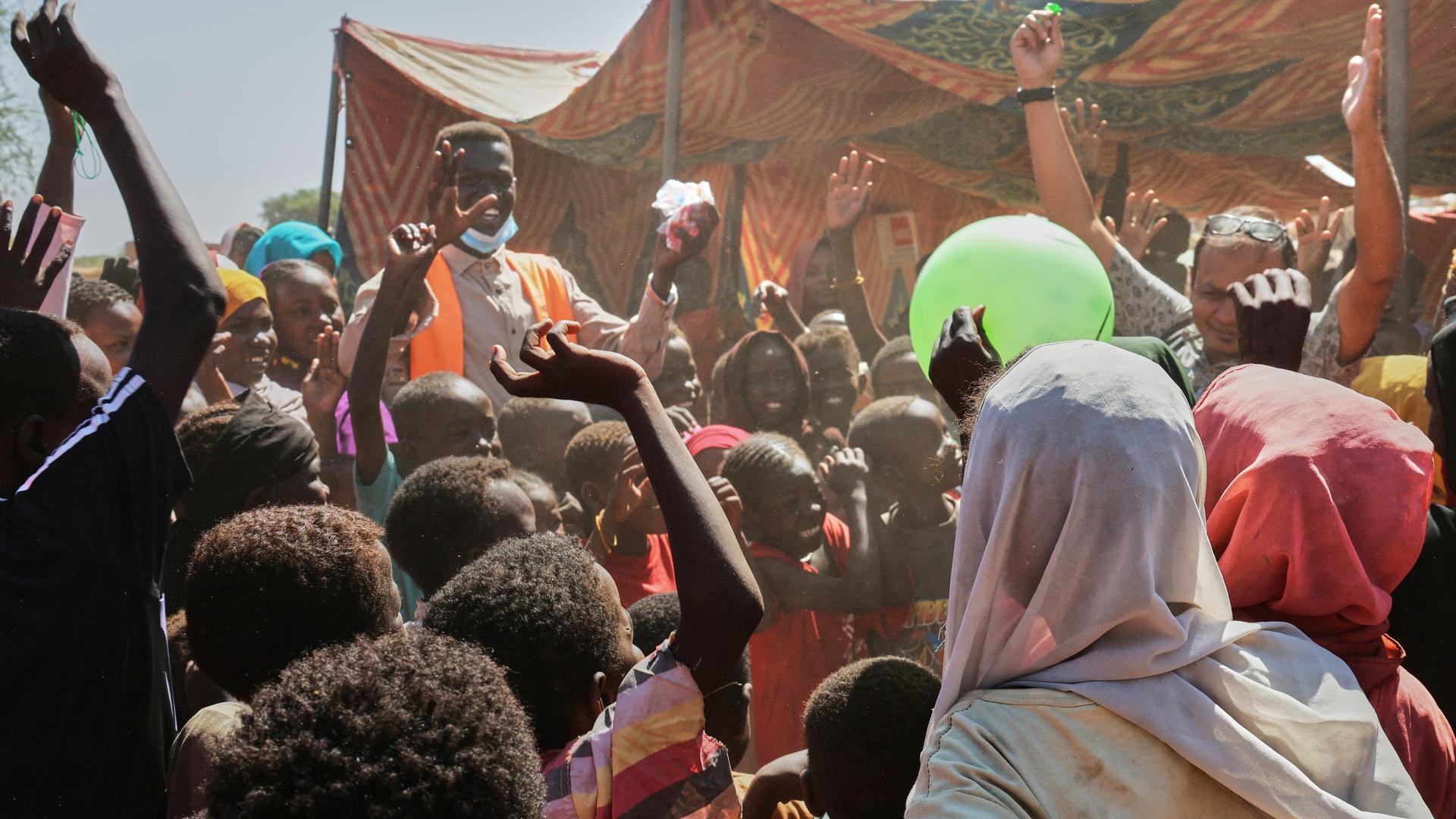
The ongoing civil war in Sudan has triggered one of the most severe humanitarian crises in recent memory, significantly affecting civilian life. As paramilitary forces rampage through various regions, the impact on communities has been catastrophic. Basic services such as healthcare, food supplies, and clean water have become scarce, forcing families to make impossible choices amidst violence and instability. Reports indicate that many families are now displaced, fleeing their homes to avoid the fighting, often leading to overcrowded shelters and inadequate living conditions in makeshift camps.
Moreover, the psychological toll on the population is profound. Civilians are facing not only the immediate threats of violence but also long-term mental health challenges. Children and women are disproportionately affected, facing heightened risks of exploitation and abuse. Humanitarian organizations report that access to assistance is severely limited due to the ongoing conflict, making it incredibly difficult to deliver necessary aid. Key statistics highlight the situation:
| Statistic | Current Number |
|---|---|
| Displaced individuals | 2.5 million+ |
| Children in need of aid | 3.1 million+ |
| Health facilities non-operational | 70% |
These figures paint a stark picture of the urgent need for international support and intervention to alleviate the suffering of affected populations.
Calls for International Intervention: Strategies to Address the Ongoing Turmoil in Sudan
The ongoing civil war in Sudan has prompted urgent calls for international intervention as the humanitarian situation spirals further into chaos. To effectively address the escalating violence and provide immediate relief to the millions affected, it is essential for the global community to take decisive action. Strategies that can be implemented include strengthening diplomatic pressure on the warring factions, facilitating humanitarian corridors for evacuations and aid delivery, and leveraging sanctions against key military leaders responsible for the violence. Furthermore, establishing a peacekeeping mission authorized by the United Nations could help restore stability and protect vulnerable populations caught in the crossfire.
In addition to immediate humanitarian efforts, there is a critical need for long-term strategies to promote peace and reconciliation. This may involve engaging local stakeholders in inclusive dialogues aimed at addressing the root causes of the conflict. Empowering civil society organizations and supporting grassroots initiatives can help foster community resilience and rebuild trust among different factions. To track global support and interventions, the following table outlines key international organizations and their proposed roles in Sudan’s crisis response:
| Organization | Proposed Role |
|---|---|
| United Nations | Deploy peacekeeping forces |
| African Union | Facilitate peace talks |
| International Committee of the Red Cross | Provide humanitarian aid |
| European Union | Impose economic sanctions |
Key Takeaways
In conclusion, the ongoing civil war in Sudan continues to escalate, marked by a devastating surge in violence and human suffering as paramilitary forces unleash a relentless campaign of brutality against civilians. The ramifications of this conflict extend beyond immediate humanitarian crises, threatening regional stability and exacerbating existing geopolitical tensions. As international attention grows, the need for a coordinated response to address both the immediate needs of those affected and the underlying causes of the violence becomes increasingly urgent. Without swift and decisive action, the cycle of violence is likely to persist, perpetuating the tragedy that has engulfed Sudan and leaving a lasting impact on its people and the broader region. Policymakers and global leaders must prioritize diplomatic solutions and humanitarian assistance to bring an end to this crisis and support the long-suffering citizens of Sudan in their quest for peace and stability.










