
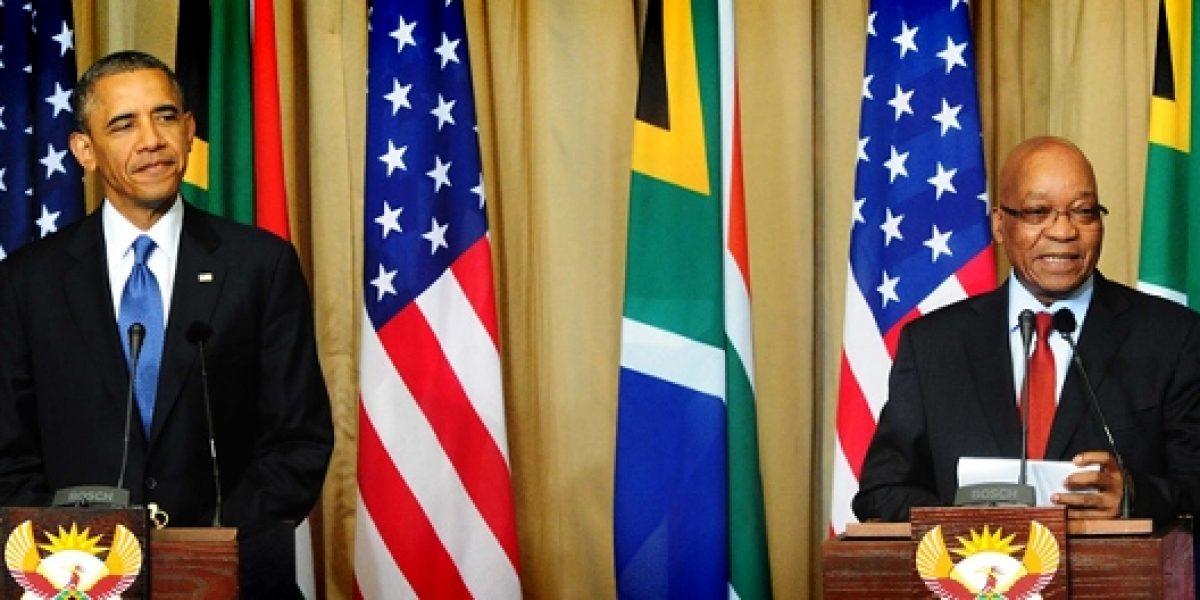
As global dynamics shift in the wake of economic changes and geopolitical tensions, the relationship between the United States and South Africa has come under increasing scrutiny. While both nations have a shared history marked by cooperation and mutual interests, recent developments have highlighted a growing antagonism that raises questions about the underlying factors driving this rift. From economic competition to divergent foreign policy approaches, this article delves into the complexities of U.S.-South Africa relations,exploring the historical context,current events,and potential implications for both nations and the broader international community. By examining the motivations and perspectives of key players, we aim to shed light on the increasingly strained ties and what they mean for the future of diplomacy and collaboration in an ever-evolving global landscape.
Understanding Historical Context and Its Impact on Current Relations
The historical context of U.S. relations with South Africa is rooted in a complex interplay of political ideologies,economic interests,and social dynamics that have evolved dramatically over the decades. During the apartheid era, the U.S. often found itself straddling a precarious line, supporting anti-communist policies aligned with the South African government despite its egregious human rights violations. This period laid the groundwork for contemporary issues, as the United States’ legacy of selective engagement continues to influence perceptions and policies today. Perceptions of legitimacy and moral authority have become central to the United States’ critique of South African governance, notably as the nation grapples with internal challenges like corruption and inequality that echo the injustices of its past.
Moreover, today’s antagonism can be attributed to a series of geopolitical shifts that have exacerbated existing tensions. As South Africa positions itself as a regional leader on the African continent and deepens its relationships with nations such as China and Russia, the U.S. perceives a potential threat to its influence. This dynamic can be illustrated through factors such as:
- Economic Partnerships: Growing trade relationships with non-Western countries.
- Political Alliances: Increasing cooperation within BRICS and alternative global institutions.
- Cultural Narratives: Evolving national identity that emphasizes non-alignment with Western policies.
The culmination of these historical and contemporary factors highlights a persistent cycle of mistrust and misunderstanding that shapes diplomatic dialogues today. As global power dynamics continue to shift, understanding these roots is crucial for not only interpreting current U.S.-South African relations but also for anticipating the future trajectory of their interactions.
Evaluating Geopolitical Interests in the US-South Africa Dynamic
The intricate geopolitical landscape between the United States and South Africa reflects a tapestry of historical complexities and evolving interests that shape their current dynamics. One meaningful aspect of this relationship stems from economic dependencies and competing agendas. The U.S. has historically positioned itself as a key investor in African economies, while South Africa, being the continent’s second-largest economy, is a pivotal player in African development. However, recent shifts in policy, particularly South Africa’s increasing ties with China and Russia, have heightened tensions. Both nations are vying for influence in the region, with the U.S. concerned about losing its foothold in a marketplace that it has historically dominated.
Moreover, diplomatic strategies employed by both nations reveal the underlying motives that fuel their interactions.The U.S. has expressed discontent regarding South Africa’s neutral stance on global conflicts and its approach to nations it considers adversarial. In response, South Africa emphasizes its sovereignty and commitment to non-alignment, which it believes serves its national interests. This divergence underscores a broader struggle over ideological alignment and foreign policy direction. As both nations navigate this complex relationship, their geopolitical interests continue to inform not only bilateral ties but also their status on the global stage, as each seeks to enhance its influence amidst shifting power dynamics.
Strategic Recommendations for Fostering Constructive Dialogue and Cooperation
To mitigate tensions and foster a productive relationship, it’s essential for both the United States and South Africa to engage in a multi-faceted dialogue that goes beyond the immediate issues at hand. This dialogue should include representatives from various sectors, encompassing government officials, civil society, and private stakeholders, to ensure a wide array of perspectives and solutions are considered. Initiatives could focus on:
- Establishing regular bilateral meetings to address misunderstandings promptly.
- Creating task forces designed to tackle specific areas of cooperation, such as trade and security.
- Encouraging cultural exchanges that enhance mutual understanding between the two nations.
In tandem with dialogue, both nations should harness the potential of collaborative projects that showcase their shared interests.Joint ventures in technology,education,and sustainability can serve as a proactive approach to building trust and demonstrating commitment to one another’s development goals. The following table outlines potential sectors for collaboration:
| Sector | Collaboration Opportunities |
|---|---|
| Technology | Co-developing tech solutions for health and education. |
| Trade | Facilitating easier access to markets and reducing tariffs. |
| Sustainability | Joint initiatives on renewable energy resources. |
Closing Remarks
the complex and often fraught relationship between the United States and South Africa is shaped by a myriad of factors, from historical contexts to contemporary geopolitical interests. While the legacy of apartheid and America’s previous support for the apartheid regime complicates perceptions, current issues such as economic competition, human rights concerns, and differing foreign policy priorities further exacerbate tensions. Understanding the nuances behind the US’s antagonism requires a careful examination of both nations’ pasts and their evolving roles on the global stage. As the geopolitical landscape continues to shift, it will be crucial for both countries to navigate these challenges thoughtfully, fostering dialogue that prioritizes mutual respect and collaboration. The outcomes of these interactions will undoubtedly influence not only bilateral relations but also broader dynamics in international affairs moving forward.










