
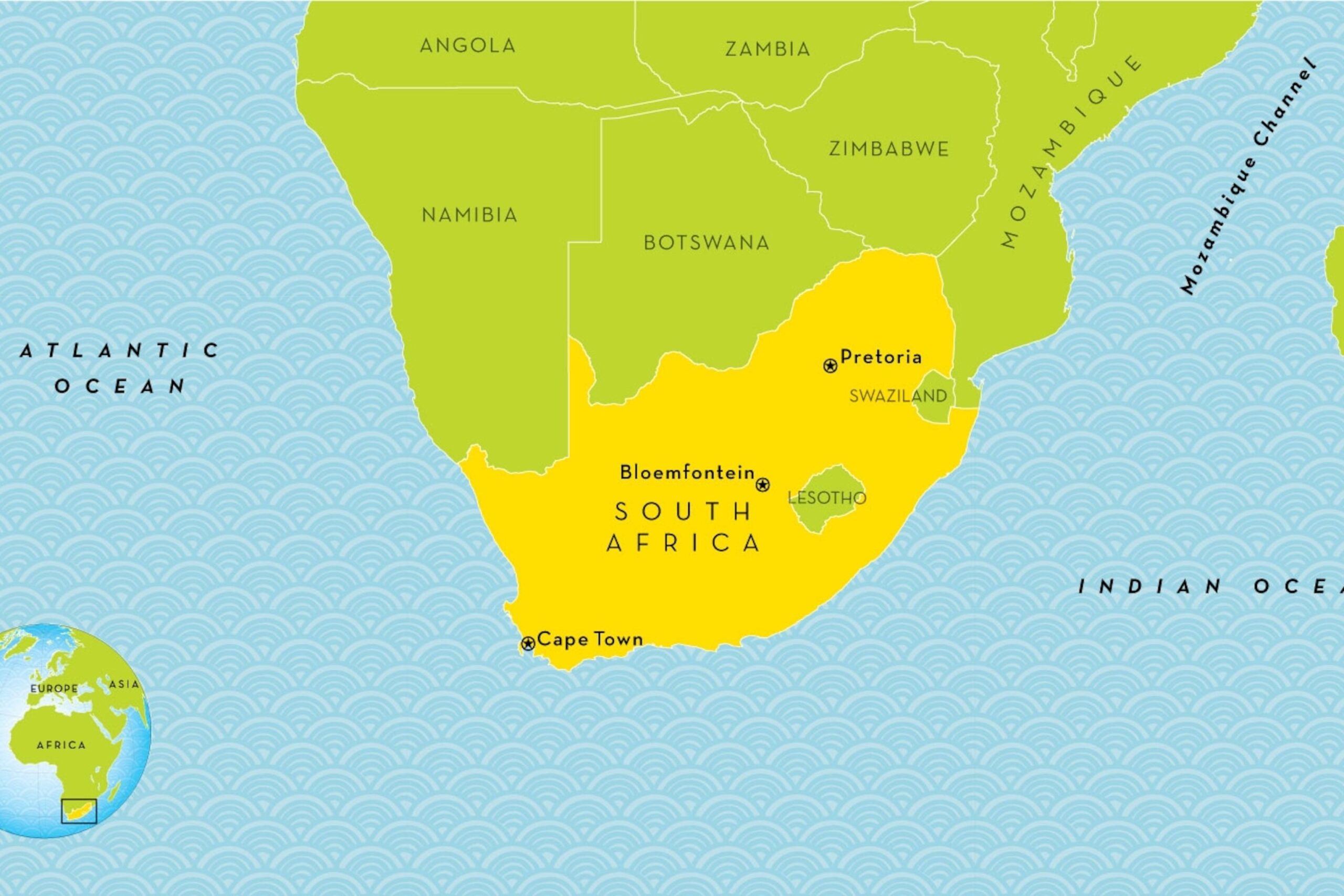
South Africa Challenges U.S. Human Rights Report: A Diplomatic Perspective
In a strong rebuttal to the recent human rights report issued by the U.S. State Department, South African officials have deemed the document “seriously flawed.” This assertion has ignited a diplomatic dialogue that underscores existing tensions surrounding human rights evaluations. The report, which assesses various nations’ human rights practices, has been criticized by Pretoria for allegedly neglecting essential nuances in understanding South Africa’s intricate socio-political environment. This situation highlights broader implications regarding international human rights assessments and raises critical questions about their effectiveness in accurately reflecting the realities faced by countries dealing with historical legacies, economic inequalities, and systemic challenges. As both nations engage in this contentious discourse, the consequences of such claims may extend beyond political rhetoric and influence global perceptions and policy decisions related to human rights advocacy.
South Africa Responds to U.S. Human Rights Evaluation
In a notable diplomatic reaction, South Africa has labeled the recent critique from the United States regarding its human rights practices as “seriously flawed.” Officials from Pretoria argue that this assessment misrepresents actual conditions within the country while emphasizing ongoing political dialogues aimed at enhancing governance and societal welfare. The South African government asserts that it is actively addressing its human rights challenges through discussions and reforms, suggesting that external evaluations may lack an adequate grasp of local contexts.
Amid these tensions, leaders in South Africa have pointed out several crucial elements of their human rights landscape deserving attention:
- Reform Initiatives: Programs focused on increasing police accountability and tackling systemic inequalities.
- Civic Participation: Efforts to engage citizens in governance processes to amplify their voices.
- Global Partnerships: Collaborations with international organizations dedicated to learning best practices for improving human rights standards.
This perspective illustrates South Africa’s commitment to progress while asserting its autonomy over how it addresses issues related to human rights as a nation. As discussions between both countries continue, this current dialogue could serve as a springboard for deeper conversations centered on shared values and mutual respect.
Impact of South Africa’s Rejection on International Relations
The dismissal of the U.S. report by South African officials has initiated an important conversation about what this means for bilateral relations between these two nations. By labeling the findings as ‘seriously flawed,’ Pretoria not only questions Washington’s credibility but also reflects a growing skepticism towards Western narratives concerning global human rights issues. This stance mirrors a wider trend among nations, particularly those feeling marginalized by external critiques-raising significant concerns about the power dynamics inherent within global discussions on these matters.
This assertion allows South Africa to reaffirm its sovereignty while prioritizing its interpretation of what constitutes effective approaches toward addressing unique societal challenges related to human dignity.
The implications extend beyond mere diplomatic relations; they raise vital questions regarding universal standards for assessing human rights. As more countries challenge external evaluations, there is potential for fragmented interpretations of what constitutes fundamental norms around justice and equality globally. Key considerations include:
- The possibility of strained future collaborations between South Africa and America.
- A potential encouragement for other nations facing similar critiques to reject Western perspectives on civil liberties.
- The risk that diverse interpretations of fundamental freedoms could become normalized across different regions worldwide.
This diplomatic fallout may also set new precedents concerning how international organizations focused on promoting civil liberties are perceived moving forward-necessitating closer scrutiny into how empirical evidence shapes global standards around these critical issues.
Strategies for Enhanced Human Rights Dialogue Among Nations
Navigating international relations effectively requires constructive engagement when discussing sensitive topics like civil liberties. To promote meaningful dialogue surrounding these issues among nations involved in such exchanges should consider implementing several best practices:
- Pursuing Transparency: Countries should strive towards maintaining open communication channels while sharing relevant data transparently about their records concerning civil liberties-fostering trust amongst stakeholders involved in dialogues over time!
- Cultivating Inclusive Conversations:Create opportunities where various stakeholders-including NGOs & local communities-can contribute insights into pressing matters affecting society today!
Furthermore bilateral/multilateral forums could be utilized bringing together representatives from multiple states engaging meaningfully together! A possible framework might include:
| Forum Type | Purpose | Potential Outcomes |
|---|---|---|
| Regional Conferences | Encourage discussion among neighboring states | Joint declarations affirming commitment towards upholding basic principles governing individual freedom |
| Workshops/Training Sessions | Facilitate knowledge-sharing sessions highlighting successful strategies employed elsewhere globally  | Strengthened capabilities leading improved implementation efforts across borders |
Monitor & assess current situations impacting individuals’ lives < td >><></tr >
Conclusion: Navigating Complexities Ahead!In summary-the rejection expressed by officials representing south africa against recently published u.s.-based assessments serves not only defend national image but also initiate broader conversations surrounding methodologies used evaluating conditions affecting people’s lives worldwide today! Moving forward-it remains imperative both parties work collaboratively fostering constructive engagements addressing pressing concerns whilst respecting each other’s sovereignty/diverse socio-political contexts alike! The evolving landscape pertaining toward safeguarding universal principles remains dynamic-and responses taken will undoubtedly shape future interactions/policies accordingly! Tanzania’s Construction Boom: Can the Sector Surpass Sh40 Trillion Despite Affordability Hurdles?Tanzania's construction sector is on the brink of an exhilarating transformation, projected to reach a staggering Sh40 trillion! This remarkable... Read moreDetails         |

