
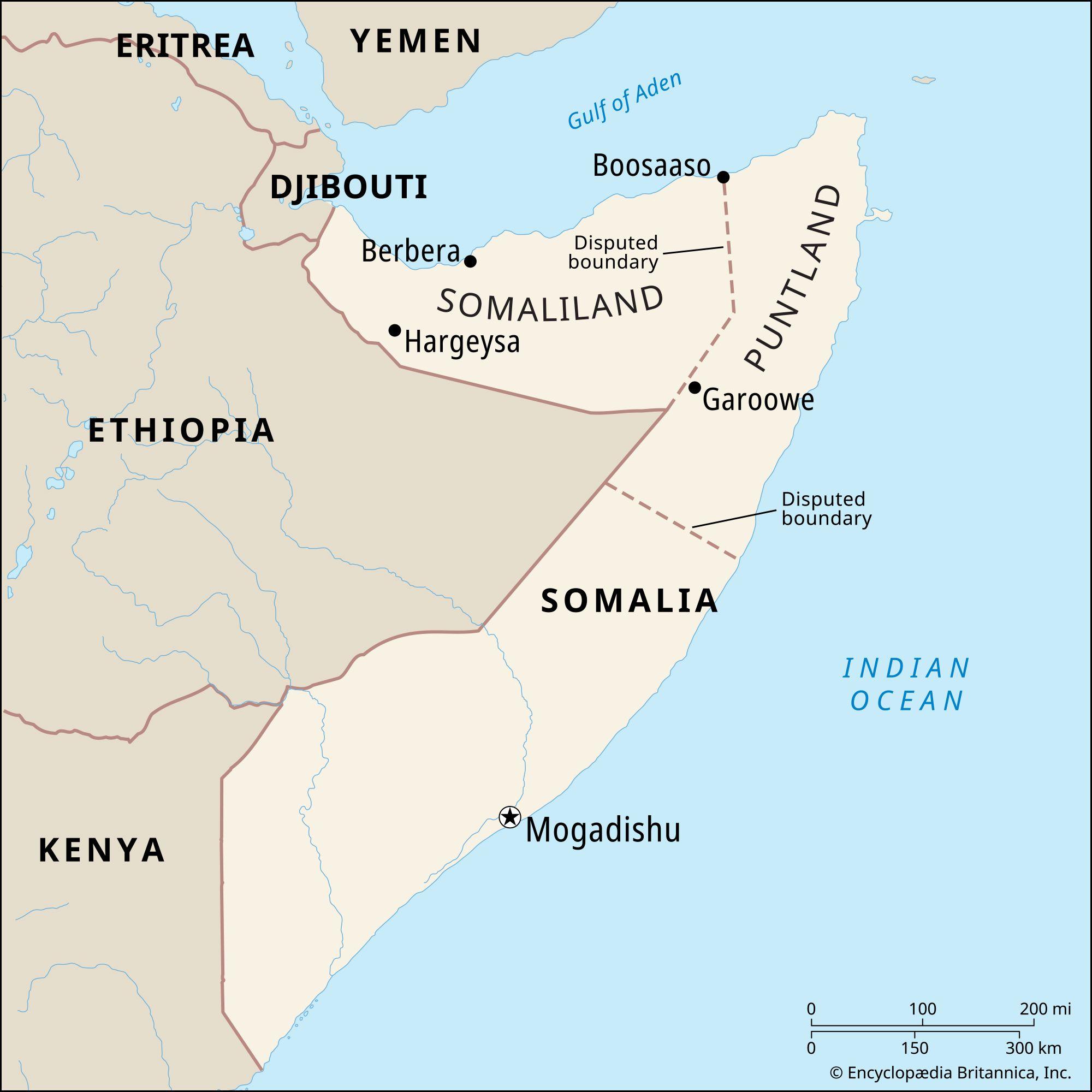
In a dynamic geopolitical landscape marked by longstanding tensions and shifting alliances, Somaliland is increasingly seeking recognition from Ethiopia as it navigates its path to international legitimacy. Amid escalating friction between Somaliland and Somalia, this self-declared republic in the Horn of Africa has turned its gaze toward Addis Ababa, hoping to solidify support and bolster its claim for independence. As regional dynamics evolve, Ethiopia’s potential endorsement could not only enhance Somaliland’s aspirations for statehood but also reshape the balance of power in the region. This article explores the underlying tensions between Somaliland and Somalia, the significance of ethiopian recognition, and the broader implications for stability in the Horn of Africa.
Somaliland’s Quest for International Legitimacy Through Ethiopia’s Support
The relationship between Somaliland and Ethiopia has been nuanced, marked by a shared interest in stability and mutual support amidst the ongoing tensions with Somalia. As Somaliland seeks to solidify its bid for recognition as an autonomous state, Ethiopian backing becomes pivotal. Ethiopia, with its past ties and strategic interests in the Horn of Africa, finds in Somaliland a partner that can enhance regional security and economic collaboration. This support is not merely diplomatic; it manifests in various ways, including military cooperation and economic investment, creating a framework that both parties leverage to bolster their respective positions.
Somaliland’s push for international legitimacy is characterized by a few key strategies, underpinned by ethiopian support:
- Advocacy for Recognition: Somaliland leverages Ethiopia’s influence in international forums to advocate for its cause.
- Joint Security Initiatives: Collaboration on security issues enhances regional stability, which in turn bolsters Somaliland’s claims to sovereignty.
- Economic Collaborations: Investment in infrastructure projects links the two economies, further aligning their interests.
| Strategy | Impact |
|---|---|
| International Diplomacy | Increased visibility on global platforms |
| Military Partnership | Enhanced defense capabilities against potential threats |
| Economic Ties | Stronger ties promoting trade and investment |
Navigating Regional dynamics: The Implications of Somaliland’s Recognition for Somalia
The ongoing quest for formal recognition by Somaliland presents a multifaceted challenge for the broader stability in Somalia. As tensions simmer between Somaliland and the federal government of Somalia, Ethiopia’s potential acknowledgment of Somaliland could significantly shift regional dynamics. This recognition would not only bolster Somaliland’s bid for legitimacy but could also serve as a catalyst for similar movements within the region, raising questions about the implications for national unity and regional diplomacy. Key considerations include:
- Security Concerns: Increased recognition could embolden separatist movements in other Somali regions.
- Economic Implications: If recognized, Somaliland could secure greater international trade opportunities, enhancing its economic autonomy.
- Geopolitical alliances: Ethiopia’s support might lead to closer ties between Somaliland and other regional powers, altering diplomatic relations.
The potential recognition of somaliland by Ethiopia also underscores the fragile balance of power within the Horn of Africa. Acknowledgment could lead to renewed conflict over resources and governance in Somalia, notably in areas rife with clan-based disputes. It’s vital to consider that the Somali Federal Government may respond assertively to any shift favoring Somaliland, leading to an escalation of tensions. Vital factors to monitor include:
| Factor | Impact |
|---|---|
| International Diplomacy | Shifts alliances and creates new power dynamics. |
| Local Governance | Affects stability in federal states within Somalia. |
| Regional Trade | Optimizes economic cooperation among Horn nations. |
Strategic Partnerships and Diplomatic Engagement: Recommendations for Somaliland’s Future
To enhance its prospect for international recognition, Somaliland must prioritize building strategic partnerships with neighboring countries and influential global players.By fostering closer ties with Ethiopia, which shares both economic and political interests in the region, Somaliland can create a powerful ally in its quest for legitimacy. Key actions may include:
- Strengthening trade agreements to enhance economic interdependence.
- Initiating joint infrastructure projects to facilitate better connectivity and resource sharing.
- Engaging in collaborative security initiatives to address regional threats.
In tandem with economic ties,diplomatic engagement must be actively pursued on multiple fronts. Somaliland could benefit significantly from a multipronged diplomatic approach that involves:
- Establishing formal diplomatic missions in allied nations.
- Participating in international forums to raise awareness about Somaliland’s unique situation.
- Leveraging the support of the diaspora to advocate for recognition.
Additionally, the creation of a diplomatic council comprising representatives from various sectors such as political parties, academia, and civil society could provide a unified voice, significantly enhancing the effectiveness of Somaliland’s international advocacy efforts.
The Conclusion
As Somaliland continues to assert its aspirations for international recognition, particularly in light of the evolving political landscape in Somalia, its focus on cultivating ties with Ethiopia represents a strategic pivot. The longstanding tensions between the Somali federal government and Somaliland may provide both challenges and opportunities as the region grapples with issues of sovereignty, security, and diplomatic relations. With Ethiopia’s burgeoning role in the horn of Africa, Somaliland’s quest for recognition could lead to critically important geopolitical shifts, influencing stability and collaboration in the region. As stakeholders monitor these developments, the future of Somaliland’s status remains intertwined with the broader dynamics of Somali politics and regional partnerships, suggesting that the path to recognition will be anything but straightforward. Ultimately, the unfolding narrative highlights the complexities of self-determination in a region marked by historical divisions and the quest for lasting peace.










