
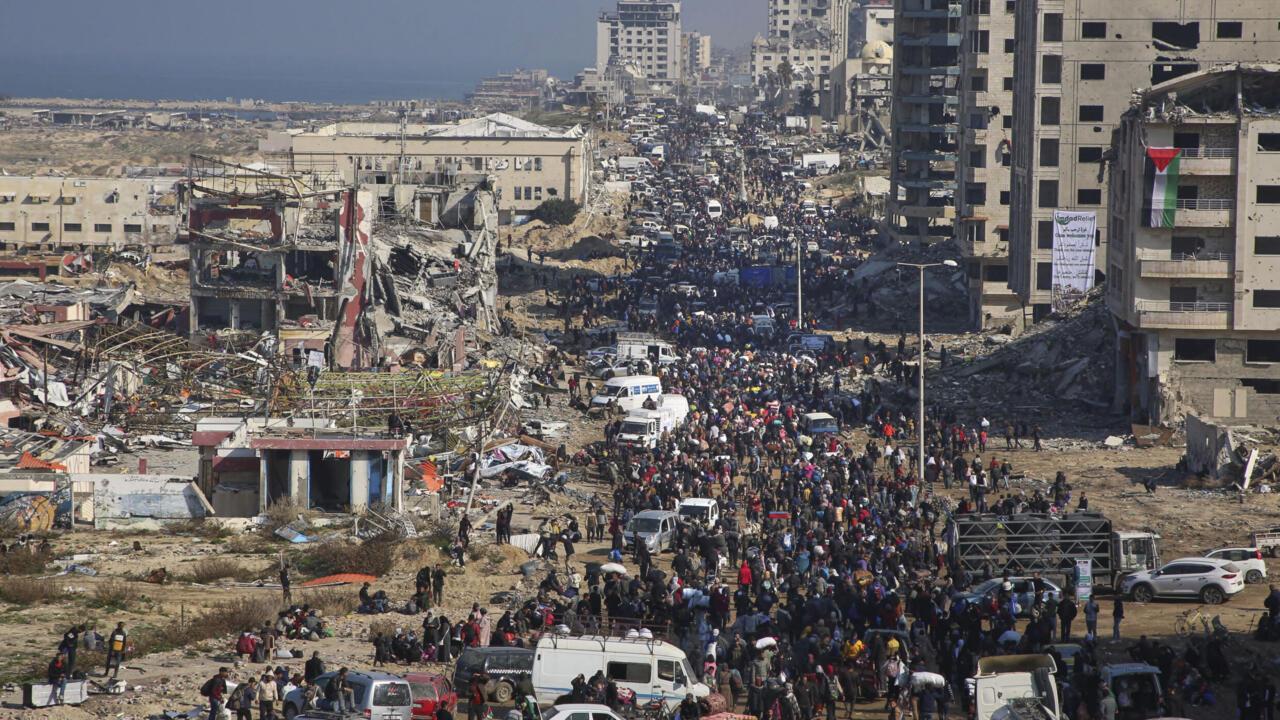
In a development that could substantially alter the landscape of the ongoing Israeli-Palestinian conflict, reports have emerged suggesting that the United States and Israel are exploring options for resettling Palestinians from Gaza in various nations, including Somalia, somaliland, and Sudan. This proposal, highlighted by AL-Monitor, raises complex questions about the future of Gaza and the socio-political implications for both the Palestinian population and the host countries. As the humanitarian crisis in Gaza escalates, the idea of resettlement is met with skepticism and concern from numerous quarters. Analysts and advocates warn of the potential repercussions of such a plan, prompting a deeper examination of the feasibility, legality, and moral considerations surrounding the resettlement initiative. This article delves into the intricacies of the reported negotiations and the varied perspectives on an issue that touches the core of national identity, human rights, and international relations.
US and Israel Explore Controversial Resettlement Options for Gaza’s Displaced Population
The reports emerging from various sources indicate that U.S. officials, in collaboration with Israeli counterparts, are considering a highly contentious plan aimed at resettling thousands of Palestinians displaced from Gaza. The proposed options include locations such as Somalia,Somaliland,and Sudan.This initiative has elicited a spectrum of reactions, from support among some policymakers who argue it could provide a fresh start for displaced individuals, to vocal opposition from human rights advocates who see it as a violation of the rights of those who have lost their homes due to ongoing conflict.
Key factors driving this controversial proposal include the desire to address the humanitarian crisis in Gaza while simultaneously managing political pressures at home and abroad. Concerns regarding the feasibility of such resettlement are significant, particularly regarding the local infrastructure capacity and the potential for integration into new communities. Vital points under discussion include:
- Logistical challenges: Infrastructure in proposed host countries may be inadequate to support sudden influxes of people.
- Integration issues: Questions about cultural assimilation and economic opportunities for resettled individuals are prominent.
- Human rights concerns: activists warn that such moves could distance displaced Palestinians from their homes and rights.
| Country | Potential Challenges | Local Response |
|---|---|---|
| Somalia | Ongoing instability and poverty | Cautious, with concerns about resources |
| somaliland | Limited infrastructure capacity | Some local support, but wary of impact |
| Sudan | Political unrest and economic challenges | Mixed reactions from the government |
While discussions are still in their early stages, the potential implications for both the displaced population and host countries remain profound. As advocates from various backgrounds raise their voices against these plans, the world watches closely to see how this delicate situation will unfold. The gravity of the humanitarian situation in Gaza juxtaposes sharply with the controversial nature of the proposed resettlement,emphasizing the complexities and ethical dilemmas involved in such decisions.
Assessing the Humanitarian and Political Implications of Resettlement in Somalia, Somaliland, and Sudan
The proposal to resettle Palestinians from Gaza in regions such as Somalia, Somaliland, and Sudan raises significant humanitarian and political concerns. Humanitarian implications include the challenges of integrating a population with a distinct cultural identity into regions that may lack the necesary infrastructure and resources to support their needs. Potential issues may arise, such as access to essential services, educational opportunities, and healthcare facilities. Furthermore, the emotional and psychological impacts on the displaced population, who may experience trauma from conflict and forced relocation, must be carefully considered.The prospect of resettlement may also pose risks to the existing social fabric in the host countries, possibly leading to conflict over resources and further straining local communities that are already facing their own challenges.
On the political front, this initiative could reshape alliances and power dynamics in the Horn of Africa. It raises questions about sovereignty and political agency for nations like Somalia and Sudan, which may be perceived as taking on foreign geopolitical burdens.Local governance structures and policies could be profoundly impacted, including potential shifts in public opinion and political stability. Additionally, the involvement of international stakeholders such as the US and Israel might influence the geopolitical landscape, inciting resistance or support from neighboring countries and impacting regional security. Analyzing the intricate repercussions of such resettlement plans is crucial for understanding their broader implications on diplomacy and conflict within the region.
Recommendations for Sustainable Solutions and Support for Gaza’s Palestinian Refugees
Addressing the dire humanitarian situation facing Palestinian refugees in Gaza requires innovative and sustainable solutions. Initiatives must prioritize local integration, international cooperation, and respect for human rights. Here are some recommendations to guide efforts toward providing secure and dignified alternatives for those displaced:
- Enhance Local Capacity: Investment in infrastructure and education in host communities, such as Somalia and Sudan, can create opportunities for integration.
- Foster International Dialog: Countries involved in the resettlement discussion should engage in transparent dialogue with international organizations to ensure a coordinated approach.
- Implement Resettlement Programs: Create tailored programs that support economic development, offering refugees skill training and job placements that align with local labor market needs.
It is indeed crucial to ensure that the voices of Palestinian refugees are included in the planning process. Establishing community committees can empower refugees to express their needs and preferences. A collaborative model could include:
| Key Stakeholders | Role in Resettlement |
|---|---|
| Local Governments | Facilitate integration through policies that support refugee needs. |
| Non-Governmental Organizations (NGOs) | Provide humanitarian assistance and advocate for refugee rights. |
| International Agencies | Coordinate efforts and fund sustainable development initiatives. |
in summary
the exploration of resettling Palestinians from Gaza in regions such as Somalia, Somaliland, and Sudan represents a significant and contentious shift in the conversation surrounding the ongoing Israeli-Palestinian conflict. As the U.S. and Israeli governments navigate this complex proposal, various political, humanitarian, and logistical challenges will undoubtedly arise. The implications of such a resettlement plan could affect not only the lives of those directly involved but also the broader geopolitical landscape of the Middle East and Africa. Observers will be closely monitoring how these discussions progress and the reactions they elicit from affected communities and international stakeholders alike. As this narrative unfolds, it will be crucial to address the rights and aspirations of the Palestinian people, ensuring that any solutions proposed prioritize their dignity and future agency.










