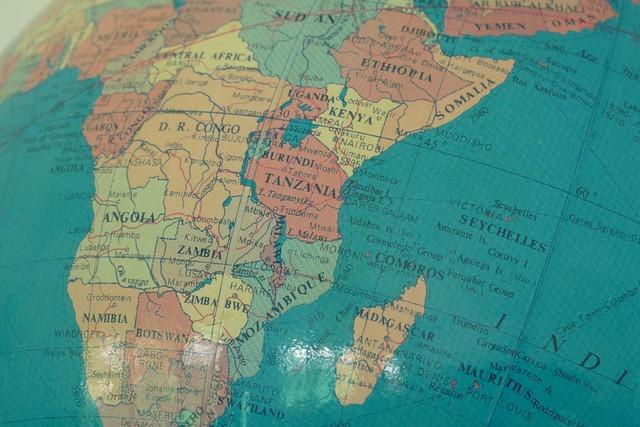
In February 2024, Somalia finds itself grappling with a resurgent threat as Al-Shabaab, the militant group with deep roots in the region, successfully infiltrates a military base in Mogadishu, raising alarms about the ongoing volatility in the capital. This incident not only underscores the persistent challenges faced by the Somali National Army and international allies in stabilizing the nation but also illuminates the broader implications of Al-Shabaab’s tactics and operational capabilities. Concurrently, the already fragile dynamics within Somaliland have escalated, as tensions flare in response to ongoing conflicts over territorial and political claims. This article delves into the complexities of these two critical developments, assessing how they entwine within the larger narrative of insecurity and conflict in Somalia, while drawing on insights from the Armed Conflict Location & Event Data Project (ACLED). As the specter of violence looms, the implications for local governance, regional stability, and international intervention are profound and far-reaching.
Somalia’s Security Crisis: Analyzing Al-Shabaab’s Strategic Breach of Mogadishu Military Base
In a significant escalation of the ongoing conflict, Al-Shabaab’s recent infiltration of a military base in Mogadishu underscores the group’s resilient operational capabilities and adaptability. This strategic breach not only challenges the effectiveness of the Somali National Army (SNA) but also calls into question the security measures enforced within the capital’s military facilities. Analysts point out that Al-Shabaab’s ability to execute such coordinated attacks indicates a deep understanding of the vulnerabilities and limitations within the SNA’s operational framework. Key factors contributing to this incident include:
- Intelligence Gathering: Al-Shabaab reportedly conducted extensive reconnaissance, gathering information on troop movements and base security protocols.
- Localized Support: The presence of sympathetic networks within Mogadishu may have facilitated the attack’s planning and execution.
- Adaptive Tactics: Utilizing improvised explosive devices (IEDs) and small unit tactics, Al-Shabaab effectively counters the superiority of conventional military forces.
As the ramifications of this breach ripple through the military and political landscape, it heightens the urgency for a reevaluation of security strategies not just in Mogadishu, but throughout Somalia. The situation complicates existing conflicts in regions such as Somaliland, where tensions are already strained over issues of governance and territorial integrity. The following table highlights recent military engagements and their impacts on regional stability:
| Date | Location | Incidence | Casualties |
|---|---|---|---|
| Feb 10, 2024 | Mogadishu | Military base attack by Al-Shabaab | 15 SNA personnel |
| Feb 12, 2024 | Hargeisa | Protests against Somaliland’s military expenditure | 3 civilians injured |
| Feb 15, 2024 | Kismayo | Clashes between local militia and Al-Shabaab | 5 militia members |
The Escalating Tensions: Unpacking the Somali Land Conflict and Its Impact on Somaliland
The conflict landscape in the Somali region is increasingly complex, as longstanding territorial disputes intensify alongside the threats posed by extremist groups such as Al-Shabaab. In particular, the tensions surrounding Somaliland have escalated in recent months, influenced by external factors such as military engagements in Mogadishu. The infiltration of an Al-Shabaab unit into a military base in the capital city underscores the precarious security situation, not only in central Somalia but also in areas seeking autonomy like Somaliland. The intertwined issues of clan rivalry and the fight against militant extremism now present profound challenges for both the Somali federal government and Somaliland’s aspirations for international recognition.
The ramifications of this conflict extend beyond immediate military confrontations, affecting the daily lives of civilians across the region. Reports indicate substantial displacement of populations, increased humanitarian needs, and a worrying trend of economic instability, with local businesses suffering from the ongoing violence and unpredictability. Key factors influencing this are:
- Security Forces Strain: Local security forces in Somaliland are increasingly stretched thin, tasked with addressing both internal clan disputes and external threats.
- Resource Allocation: The diversion of resources to combat insurgencies has led to shortages in essential services such as healthcare and education.
- International Attention: Somaliland’s claim for recognition as an independent state is further complicated by perceptions of instability linked to the broader Somali conflict.
| Impact Area | Current Status |
|---|---|
| Displacement of Families | Over 100,000 people displaced |
| Security Incidents | Rising incidents reported in Somaliland |
| Economic Activity | Noticeable decline in local businesses |
Recommendations for Strengthening Military Resilience and Regional Stability in Somalia
In light of recent security breaches and escalating tensions in Somalia, it is crucial to adopt a multi-faceted approach to enhance military resilience and bolster regional stability. Key recommendations include:
- Strengthening Intelligence Capabilities: Invest in advanced surveillance technology and intelligence-sharing agreements between local, regional, and international partners to preemptively identify and mitigate threats.
- Community Engagement Initiatives: Foster trust and cooperation between the military and local populations through outreach programs that promote civic participation and conflict resolution.
- Capacity Building for Local Forces: Provide training, resources, and logistical support to Somali National Army and regional forces to enable them to effectively combat insurgent activities.
Furthermore, international stakeholders should consider the following strategies to stabilize the region:
- Collaborative Security Agreements: Facilitate partnerships between Somali military forces and neighboring countries to create a unified front against extremist groups like Al-Shabaab.
- Economic Development Programs: Implement initiatives aimed at improving local economies which can reduce dependency on militant groups and diminish their recruitment capabilities.
- Incorporation of Gender Perspectives: Actively involve women in conflict resolution and peace-building processes, acknowledging their pivotal role in fostering stability.
To Conclude
As the complex tapestry of Somalia’s security landscape continues to unfold, the infiltration of a military base in Mogadishu by Al-Shabaab serves as a stark reminder of the persistent threats that undermine stability in the region. The attack not only highlights the resilience and adaptability of extremist groups but also underscores the ongoing challenges faced by the Somali government and its international partners in their fight against terrorism.
Meanwhile, the simmering conflict in Somaliland reveals the fragility of peace in a nation still grappling with its historical divisions. As both incidents signify deeper issues at play, including political rivalries and ethnic tensions, it is clear that the path to lasting stability in Somalia remains fraught with obstacles.
Moving forward, it is imperative that regional and global stakeholders prioritize comprehensive strategies that address both immediate security concerns and the underlying socio-political dynamics. Without concerted efforts to foster dialogue and reconciliation, the cycle of violence and instability is likely to persist, leaving countless lives in jeopardy and impeding the potential for a brighter future in the Horn of Africa. The developments of February 2024 serve as a crucial call to action for all parties involved in seeking a sustainable resolution to Somalia’s ongoing turmoil.