
Introduction
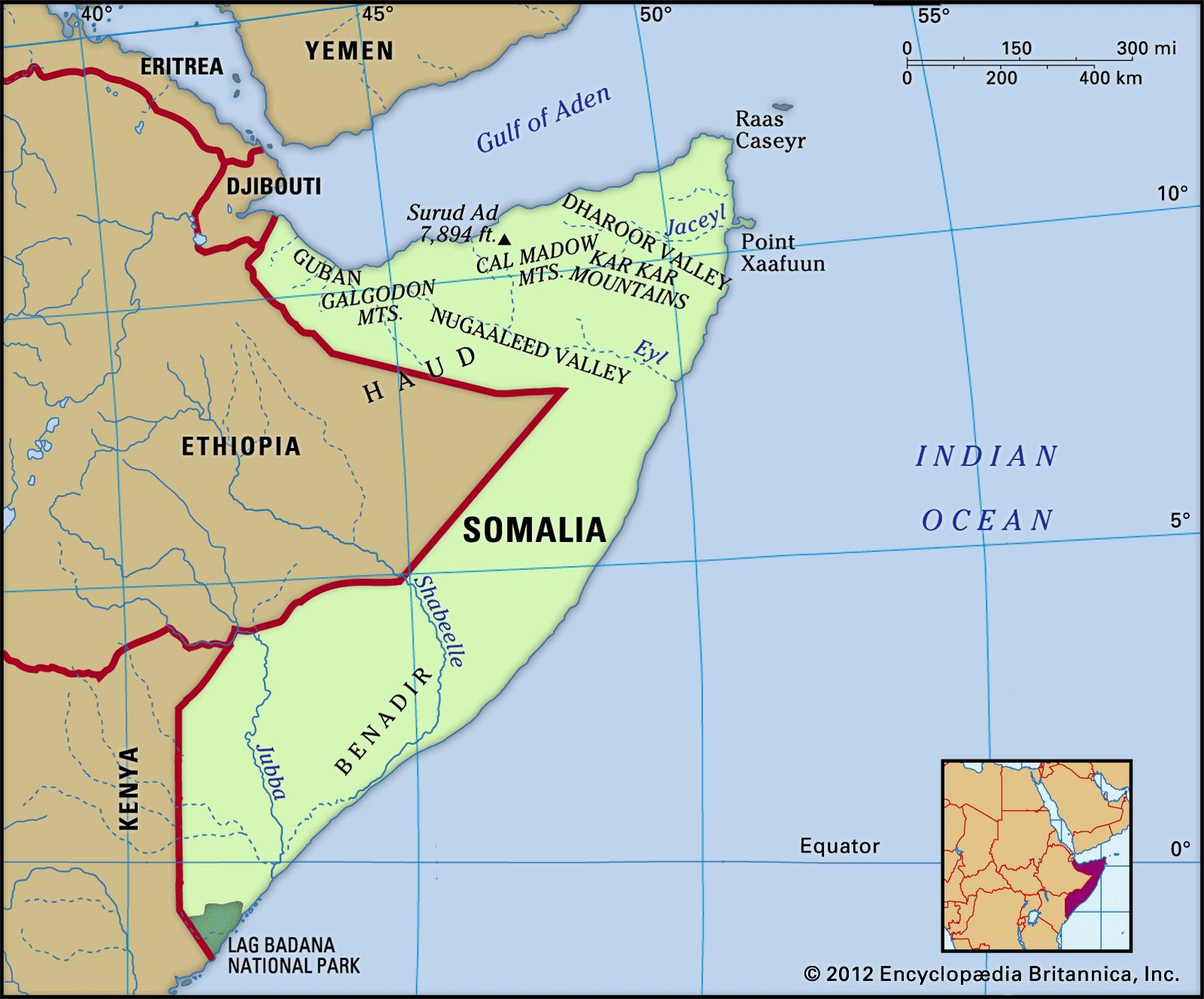
The Horn of Africa is a region marked by complex political dynamics and social challenges, with the stories of Somalia and Somaliland being particularly noteworthy. Although both regions share a deep cultural and historical background, they differ significantly in their political systems, governance styles, and aspirations for the future. While Somalia grapples with the aftermath of civil war and persistent instability, Somaliland has proclaimed itself an autonomous state since 1991, successfully establishing a semblance of peace and governance. This article seeks to delve into the essential differences between Somalia and Somaliland, analyzing the factors that shape their relationship as well as the implications for their futures amidst ongoing regional stabilization efforts and international interest.By doing so, we aim to shed light on the distinct challenges each faces along with potential pathways toward peace in a region often overshadowed by conflict.
Political Dynamics: A Comparative Analysis
The political environments of Somalia and Somaliland illustrate a complex interplay influenced by historical events, social factors, and governance frameworks.Internationally recognized Somalia has faced decades fraught with civil unrest since the early 1990s; it struggles to establish centralized authority amid ongoing conflicts. In contrast,following its declaration of independence in 1991,Somaliland has pursued recognition as an independent nation while developing its own governmental institutions that have fostered relative stability within its borders. However, it remains unrecognized by both the United Nations and Somalia itself-a situation that creates legal ambiguities complicating its quest for global legitimacy.
This divergence results in two distinctly different experiences regarding governance within this shared geographical area.The federal government in Somalia is focused on rebuilding amidst persistent threats from militant groups like Al-Shabaab alongside humanitarian crises exacerbated by political fragmentation. Conversely, Somaliland enjoys relative political stability characterized by:
| Aspect | Somalia | Somaliland |
|---|---|---|
| International Recognition | Globally acknowledged entity | No formal acknowledgment from other nations |
| Governance Structure | A federal system facing intermittent conflict issues. | A self-declared republic with stable governance practices. |
| Security Environment | Fragile security situation plagued by insurgency issues. | Primarily secure environment focusing on local matters. |
| Economic Growth | Heavily reliant on foreign aid. | Emerging economy supported through local investments. |
To sum up ,the contrasting realities faced by both regions underscore critical themes surrounding self-determination ,statehood ,and identity formation within post-colonial Africa .These complexities are vital considerations for stakeholders aiming to engage effectively with this evolving geopolitical landscape.
Economic Disparities And Development Challenges
The economic divide between Somali territories highlights stark contrasts rooted deeply within differing historical contexts coupled alongside distinct governing approaches .The Somali economy ,still reeling from years spent embroiled in civil unrest ,is largely informal featuring high unemployment rates coupled alongside limited access towards essential services .On another hand,Somaliland’s journey post-independence led them towards establishing relatively stable governments promoting entrepreneurship fueled primarily via remittances sent back home from diaspora communities abroad resulting into diversified economies which although still face challenges enjoy greater investments directed towards infrastructure development along education sectors.
Developmental obstacles persist across both areas stemming primarily due inadequate infrastructures compounded further through ongoing instabilities affecting overall growth trajectories .Common issues include:
- Lack Of Educational Access:The scarcity surrounding educational facilities hampers human capital development initiatives.
- Poor Healthcare Services:Adequate healthcare systems remain insufficient contributing directly towards elevated mortality rates observed across populations.
- Inefficient Infrastructure:Poor transport networks hinder economic activities significantly impacting trade opportunities available locally.
As depicted below key indicators highlight disparities existing between these two regions :
Indicator Somalia
< / th >Somaliland
< / th >
< / td >< td >3%
< / td >< td >5%
< / td >< tr >< t d >School Enrollment Rate
< / t d >< t d >60%
< / t d >< t d >80%
< / t d >< tr>Lifespan Expectancy d55 years d62 years Fostering Peaceful Cooperation Between Regions
Considering ongoing efforts aimed at achieving sustainable peace throughout this region stark contrasts observed between these entities play pivotal roles influencing broader regional dynamics.Somalia grapples continuously against warlordism terrorism whilst struggling under fragile governmental structures whereas conversely,Somaliland having declared independence back during early nineties managed successfully stabilize themselves creating functional institutions capable addressing citizen needs effectively.
To promote cooperation amongst them understanding underlying grievances rooted historically intertwined contemporary issues remains crucial.Some key factors include:
- < strong>Cultural Identity & Nationalism :Somalilands focus lies heavily upon asserting sovereignty seeking international acknowledgment whereas Somalias emphasis rests firmly upon fostering national unity among diverse ethnic groups present therein.< li/>
- < strong>Navigating Resource Management :Tensions arise frequently over resource allocation especially concerning fishing rights trade routes leading disputes escalating tensions further complicating relations.< li/>
- < strong>Sustaining Security Measures :The persistent threat posed through militant organizations such as Al-Shabaab continues undermining overall stability experienced across both territories.< li/>
Addressing aforementioned differences via constructive dialog reconciliation processes may pave pathways toward collaborative endeavors aimed at building lasting peace initiatives.Effective mediation strategies must incorporate representative voices originating from either side ensuring solutions reflect aspirations needs expressed collectively among involved communities.
Final Thoughts On The Distinction Between Somalia And Somaliland
Ultimately,the divide separating these two entities encapsulates multifaceted interplay involving historical,political,social dimensions shaping current realities experienced today.Within context where one entity struggles against myriad challenges related good governance security cohesion whilst other presents narrative centered around self-declared independence showcasing relative tranquility understanding nuances becomes imperative not only grasping present circumstances but also anticipating future developments necessary fostering prosperity throughout Horn Africa.As global actors engage actively navigating complexities inherent each respective territory recognizing addressing unique concerns will prove essential cultivating constructive dialogues paving way forward collaboratively seeking common ground amidst volatile geopolitical landscapes ahead.










