
Introduction:
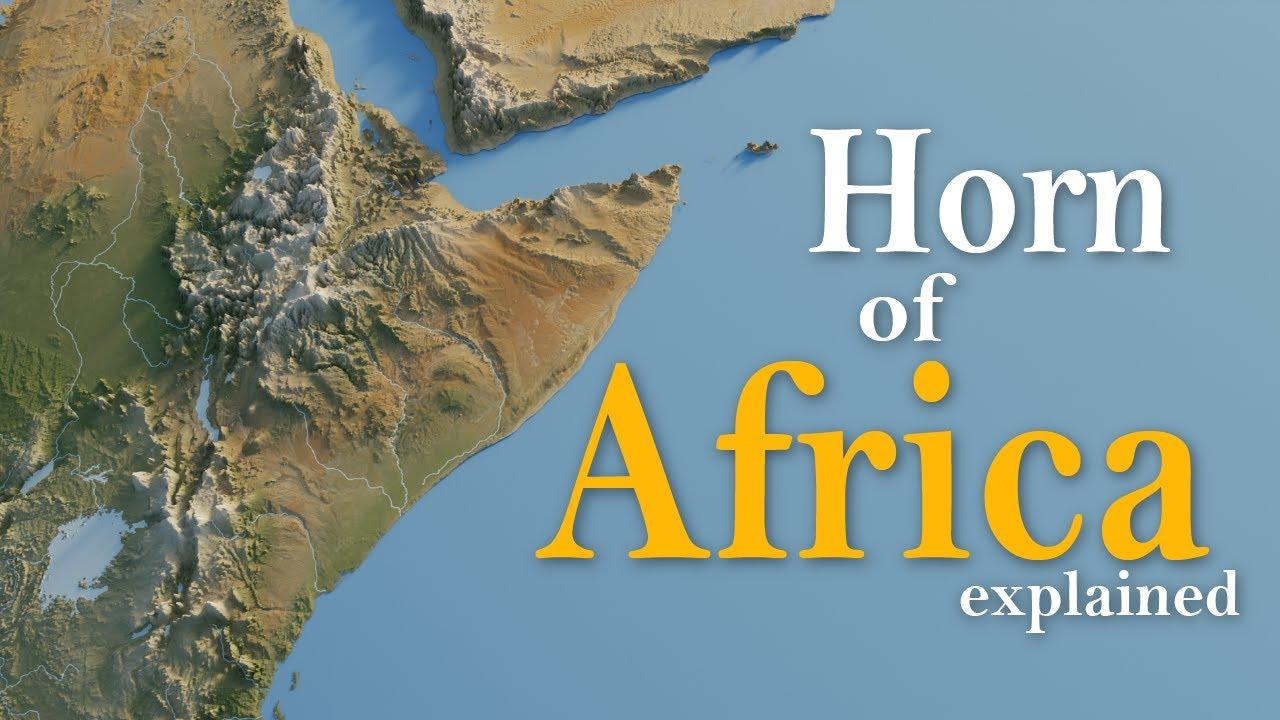
The Horn of Africa, a region celebrated for its rich cultural heritage and historical importance, is currently grappling with escalating tensions that jeopardize its peace and security. Recent developments in Ethiopia, Somalia, and surrounding nations have resurfaced long-standing issues, sparking conflicts fueled by political strife, ethnic rivalries, and regional power dynamics. A comprehensive report from the House of Lords Library delves into these complex challenges by examining both historical contexts and current events that have exacerbated instability. As global stakeholders explore pathways to peace,understanding the intricate nature of tensions within the Horn of Africa becomes increasingly crucial.This article highlights key findings from the Library’s analysis while reflecting on their implications for local communities and also the international arena.
Geopolitical Shifts in the Horn of Africa
The Horn of Africa has become a critical arena for shifting alliances and rivalries that mirror broader geopolitical interests extending beyond its borders. The region’s complexity arises from its strategic location near vital maritime routes combined with abundant natural resources and historical grievances among neighboring countries. Nations such as Ethiopia, Eritrea, Somalia, and Djibouti are influenced not only by internal factors but also by external pressures from powers like China, the United States, and the European Union.This dynamic has fostered an environment characterized by conflict zones, humanitarian crises, and diplomatic negotiations.
Recent events highlight both the necessity for regional cooperation and the risks associated with potential conflict escalation.Key points include:
- Territorial Disputes: Ongoing tensions between Ethiopia and Eritrea remain unresolved; these disputes pose significant threats to regional stability.
- Foreign Military Presence: The involvement of foreign military forces complicates local governance structures while potentially intensifying existing conflicts.
- Crisis in Humanitarian Needs: Continuous violence has led to widespread displacement; millions face urgent humanitarian needs often left unmet.
The table below summarizes key players involved along with their respective interests to clarify this geopolitical landscape:
| Nations/Actors | Main Interests | |
|---|---|---|
| Ethiopia | Aspiring regional leadership,economic growth,sustaining stability. | |
| Eritrea | Pursuing national independence,military capability,effective resource management. | |
| Somalia | Nurturing national cohesion,safeguarding against piracy & terrorism. | |
| Djibouti | Molding a strategic military center,fostering trade-driven economic expansion. | |
| China | Aiming for investment prospects,navigating trade routes,increasing influence across Africa. | |
Tackling terrorism,promoting stability,cultivating economic partnerships.< / td >
Humanitarian Challenges Affecting Regional StabilityThe Horn of Africa is currently facing numerous humanitarian crises worsened by climate change impacts alongside political unrest. Extended periods ofdroughts have severely impacted agricultural production leading to alarming levels of food insecurity affecting millions. Moreover,the influxof refugeesand internally displaced individuals fleeing conflicts overwhelms local resources,resultingin heightened community tensions.Key contributors to instability within this region include:
|










