
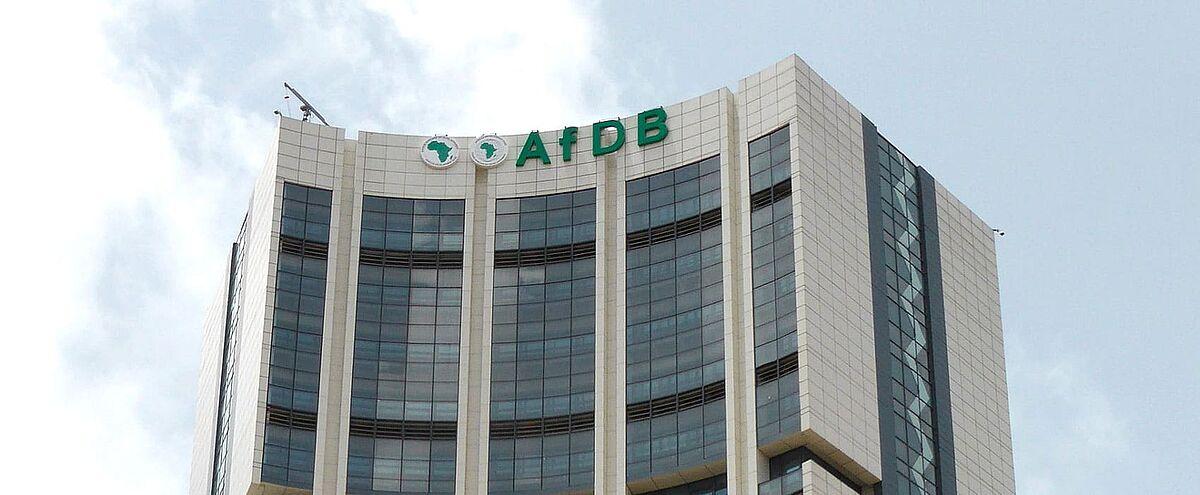
Revitalizing Sierra Leone: A $500 Million Commitment to Sustainable Development
In a groundbreaking initiative aimed at promoting economic growth and enhancing resilience in Sierra Leone, the African Development Bank (AfDB) has approved a substantial investment of $500 million. This funding is essential as the country faces ongoing challenges related to infrastructure, public health, and climate change impacts. The anticipated outcomes of this financial support include innovative solutions that will not only facilitate economic recovery but also strengthen the nation’s capacity to tackle future adversities. By focusing on critical sectors, this investment marks a pivotal step towards achieving Sierra Leone’s long-term goals for stability and prosperity, ultimately improving living standards across the region. As Sierra Leone strives to overcome historical barriers and realize its potential, this partnership with AfDB is poised to play a crucial role in building a resilient future.
AfDB’s Investment: Catalyzing Sustainable Development in Sierra Leone
The African Development Bank (AfDB) has made an impactful commitment toward creating a brighter future for Sierra Leone through its recent endorsement of a $500 million investment strategy. This initiative aims to stimulate nationwide growth and resilience by concentrating on key sectors that promise sustainable development. The funding will primarily target areas such as infrastructure development, agricultural enhancement, and climate resilience, all designed to establish an economic framework capable of withstanding external pressures as well as internal challenges. The strategic plan emphasizes investing in human capital and local enterprises, ensuring equitable distribution of growth benefits across all regions.
This program encourages collaboration among government agencies, private sector stakeholders, and international partners with the objective of fostering innovation while enhancing service delivery within essential public services. Expected outcomes from this initiative include:
- Increased agricultural productivity through improved access to technology and financial resources.
- Infrastructure upgrades aimed at boosting connectivity and stimulating economic activities.
- Create job opportunities, particularly focusing on youth employment initiatives.
- Sufficient climate adaptation strategies designed to safeguard vulnerable communities.
The AfDB’s investment represents a transformative opportunity for Sierra Leone by establishing foundations aligned with Sustainable Development Goals (SDGs), promoting an inclusive economy while paving pathways toward environmental sustainability.
Key Focus Areas for Economic Growth & Resilience Building
The newly sanctioned $500 million strategy from AfDB highlights several critical areas intended to foster sustainable development while bolstering resilience within Sierra Leone’s economy. A primary focus is on strengthening vital economic infrastructure-this includes investments directed towards transportation networks, energy systems, as well as water management facilities-facilitating both urban expansion alongside rural progress by improving market access.
Additionally, there is an emphasis on diversifying agriculture; moving beyond traditional crops encourages farmers towards cultivating higher-value products which can significantly enhance their income levels while reinforcing food security across communities.
The strategy also prioritizes human capital development through investments in education systems along with healthcare services; empowering individuals with necessary skills directly contributes to increased productivity levels within various sectors of the economy.
Furthermore, addressing climate vulnerability remains crucial due not only because it affects livelihoods but also because it poses risks associated with environmental shocks; thus promoting sustainable practices alongside disaster preparedness measures becomes imperative under this comprehensive approach aimed at stimulating immediate growth whilst ensuring long-term stability throughout Sierra Leone’s landscape.
Implementation Strategies & Monitoring Recommendations for Effective Execution
A successful implementation of AfDB’s $500 million initiative requires strategic alignment coupled with active stakeholder engagement efforts.
Prioritizing inter-ministerial cooperation creates cohesive frameworks allowing diverse governmental departments work synergistically together.
Key recommendations include:
- Cultivating clear communication channels among stakeholders facilitating timely updates along feedback loops;
- < strong >Creating detailed timelines with measurable milestones enabling effective tracking progress;
< li >< strong >Involving local communities during planning phases enhancing buy-in sustainability;
< / ul >< p >< br /> Moreover , robust monitoring evaluation mechanisms should be established continuously assessing project impacts . Utilizing both quantitative qualitative indicators provides holistic views regarding initiatives’ advancements . Below table outlines essential components M&E framework :< / p >
<< tr >>
<< th >>Indicator Type << / th >>
<< th >>Description << / th >>
<< th >>Frequency Assessment << / th >>
<< tbody >>
<<>
<<>Output Indicators<<>
<<>Measure immediate results such infrastructure development .<< / td >>
<<>Quarterly<< / td >>
<<< / tr >><<
>
<<>Outcome Indicators<< /td>>
<<>Evaluate direct effects beneficiaries job creation .< >
<<>Biannually< >
<<> <<
>
>>>< td >>Impact Indicators<<>
>>>< td >>Assess long-term effects economic growth resilience .<<>
>>>< td >>Annually<<>//tbody
//table< p >
Concluding Insights on Strategic Partnerships & Future Directions for Sustainability and Resilience in Sierra Leone    ;   ;   ;   ;   ;   ;   ;   ;
To summarize , approval granted by African Development Bank regarding substantial funding amounting five hundred million dollars signifies major milestone journey towards achieving sustainable progress resiliency countrywide . This comprehensive framework addresses multifaceted challenges including infrastructural deficits social inequalities climate change impacts effectively mobilizing resources implementing them efficiently ensures positive transformations occur across various sectors benefiting citizens overall quality life improves significantly over time .
As we move forward navigating complexities inherent large-scale interventions continuous monitoring adaptive management remain vital components success striving uplift living standards every citizen residing within borders nation .Unlocking Tomorrow: H.E. Ambassador Duarte Lopes Shares Visionary Insights on Europe, North Africa, and the Mediterranean
During a recent event hosted by the Stimson Center, participants delved into a captivating discussion about the evolving relationships between...
Read moreDetails









