
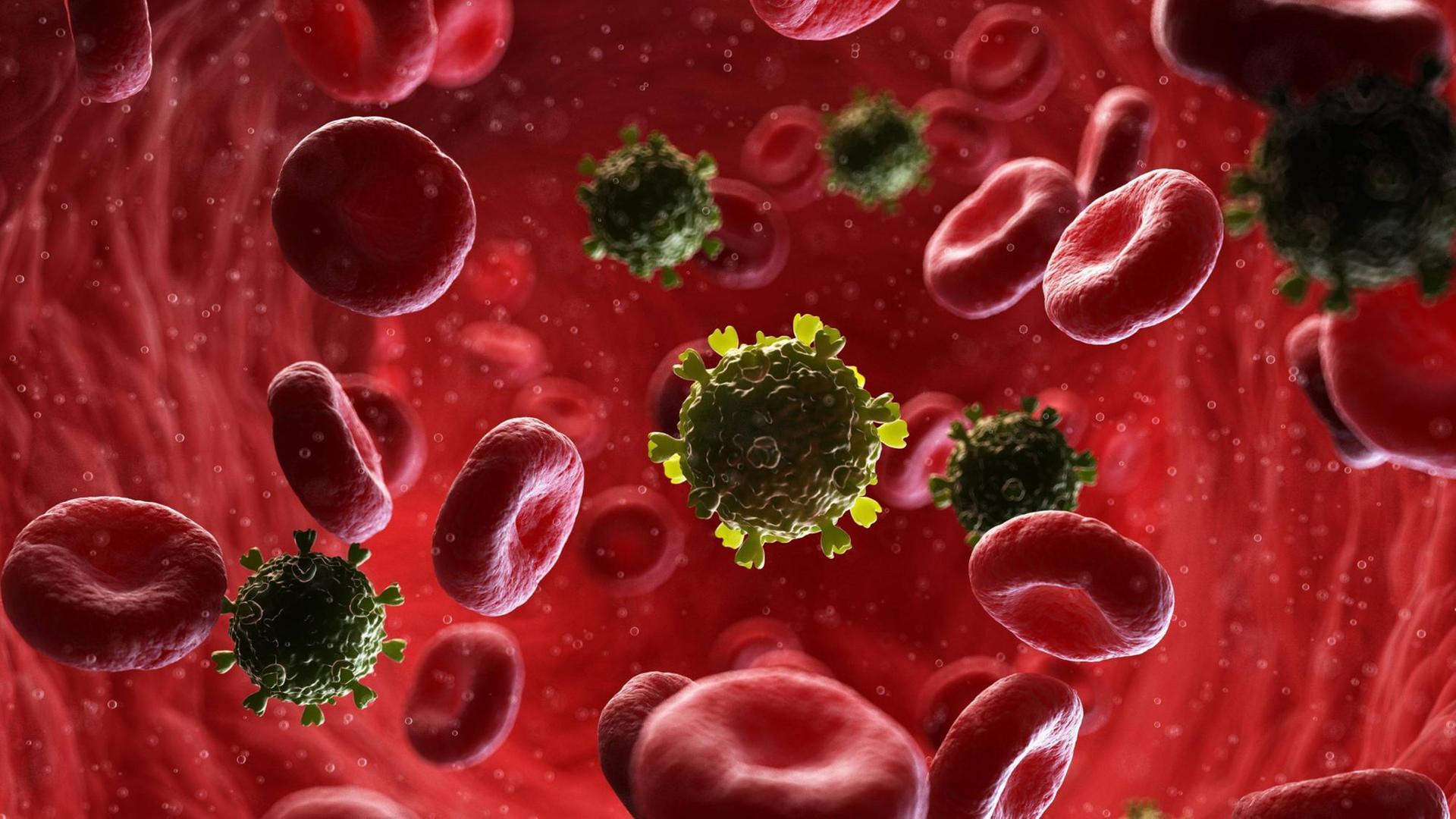
In Sierra Leone, the dual burden of HIV and tuberculosis (TB) poses notable public health challenges, complicating efforts to manage these infectious diseases that share a common vulnerability among populations. According to the Centers for Disease Control and Prevention (CDC), the intersection of HIV and TB in this West African nation underscores a critical need for comprehensive strategies aimed at prevention, diagnosis, and treatment. With an alarming prevalence of both diseases,particularly in marginalized communities,understanding the dynamics of HIV and TB is vital for local health policymakers,healthcare providers,and global health advocates alike. This overview will delve into the current state of HIV and TB in Sierra Leone, explore the existing healthcare frameworks, and highlight crucial interventions and collaborative efforts that are essential in tackling this pressing health crisis.
Understanding the Intersection of HIV and TB in Sierra Leone
The dual burden of HIV and tuberculosis (TB) poses a significant public health challenge in Sierra Leone. The country has one of the highest rates of TB-HIV co-infection globally, complicating diagnosis and treatment efforts. Individuals living with HIV are at an increased risk of developing TB due to their compromised immune systems. This intersection exacerbates the health crisis, especially in communities already impacted by poverty and limited healthcare access.Key factors contributing to this issue include:
- High prevalence of HIV: Significant percentages of the population are living with HIV.
- Limited healthcare resources: Inadequate infrastructure to effectively manage both diseases.
- Stigma and discrimination: Social barriers prevent individuals from seeking testing and treatment.
Efforts to address TB in HIV-positive individuals require comprehensive strategies that integrate both diseases into health programs. Understanding the clinical implications of co-infection is crucial for developing effective protocols. Treatment regimens must consider drug interactions and side effects unique to co-infected patients. The following table summarizes key statistics on HIV and TB in Sierra Leone, highlighting the urgent need for coordinated interventions:
| Indicator | Statistic |
|---|---|
| Estimated HIV prevalence | 1.5% of adults |
| TB cases reported | 4,000 annually |
| HIV-positive TB patients | 20% of all TB cases |
Current Challenges and Progress in Disease Management
The intersection of HIV and tuberculosis (TB) presents a dual epidemic that continues to challenge healthcare systems in Sierra Leone. Despite significant strides in awareness and treatment accessibility, numerous barriers impede progress in disease management. Key challenges include:
- Resource Limitations: Insufficient funding and healthcare infrastructure hinder the provision of consistent and comprehensive care.
- Stigmatization: Social stigma associated with HIV and TB prevents individuals from seeking timely diagnosis and treatment.
- Healthcare Workforce Shortages: A lack of trained healthcare professionals complicates the effective delivery of integrated services.
On a more optimistic note, progress is being made through various initiatives aimed at enhancing disease management. Collaborative efforts among government agencies, NGOs, and international health organizations have fostered positive change, evidenced by:
- Increased Testing Programs: Enhanced access to rapid testing has led to more individuals being diagnosed and treated.
- Integrated Treatment Approaches: Programs that simultaneously address HIV and TB have shown improved patient outcomes.
- Community Engagement: Educational campaigns help reduce stigma and encourage people to seek care.
| Year | New HIV Cases | New TB Cases |
|---|---|---|
| 2020 | 7,000 | 2,500 |
| 2021 | 6,800 | 2,200 |
| 2022 | 6,500 | 2,000 |
Strategic Recommendations for Enhancing Prevention and Treatment Efforts
To bolster the fight against HIV and TB in Sierra Leone, it is imperative to adopt a multi-faceted approach that enhances both prevention and treatment strategies. Awareness campaigns should be intensified, focusing on marginalized communities to ensure education about both diseases is accessible and engaging. This can include:
- Developing targeted outreach programs that utilize local languages and culturally relevant messaging.
- Leveraging social media platforms to disseminate details rapidly among youth and at-risk populations.
- Collaborating with local leaders and healthcare workers to establish trust within communities.
In conjunction with these awareness strategies, improving healthcare infrastructure is critical for effective treatment delivery. Key recommendations include:
- Expanding access to testing and treatment by establishing mobile clinics in remote areas.
- Training healthcare providers in integrated care approaches that address both HIV and TB simultaneously.
- Implementing a robust supply chain management system to ensure the availability of life-saving medications.
| Strategy | Impact |
|---|---|
| Community Engagement | Increased awareness and reduced stigma |
| Mobile Clinics | Enhanced access to testing and treatment |
| Provider Training | Improved quality of care |
Insights and Conclusions
the intersection of HIV and tuberculosis (TB) presents a significant public health challenge in Sierra Leone, necessitating a comprehensive and coordinated response. The Centers for Disease Control and Prevention (CDC) emphasizes the critical need for integrated healthcare strategies that address both diseases concurrently, given their shared pathways and the amplified risks posed to vulnerable populations. As the country navigates the complexities of its healthcare landscape, continued collaboration among healthcare providers, government agencies, and international organizations will be vital in strengthening prevention efforts, improving treatment access, and ultimately reducing the burden of HIV and TB. By enhancing awareness and fostering community involvement, Sierra Leone can move towards a future where these infectious diseases are effectively managed, ensuring healthier outcomes for all citizens.










