
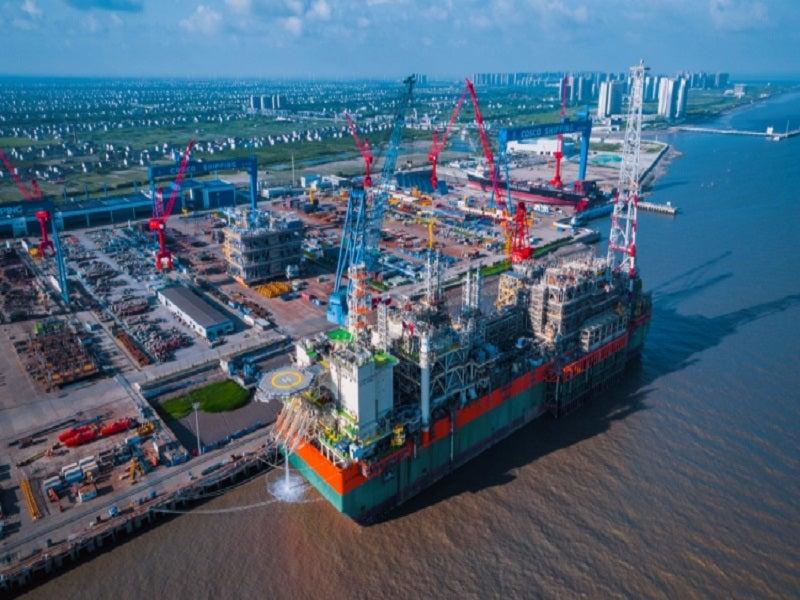
In a significant milestone for the energy sector, BP has announced the triumphant shipment of its first liquefied natural gas (LNG) cargo from the Greater Tortue Ahmeyim project located at the maritime border between Mauritania and Senegal. This landmark development not only marks a pivotal moment in the project’s timeline but also underscores the growing importance of the region as a burgeoning hub for natural gas production. The Greater Tortue Ahmeyim project, a collaborative effort between BP and its partners, aims to harness the considerable gas reserves found in the area, with the potential to enhance energy security and drive economic growth in both countries. As the demand for cleaner energy sources continues to rise globally, this inaugural LNG cargo sets the stage for a new chapter in West AfricaS energy landscape, promising to strengthen export capabilities and foster further investment in the region’s natural resources.
BP Marks Milestone with Inaugural Cargo from Greater Tortue Ahmeyim LNG Project
BP has achieved a significant milestone with the successful delivery of its first cargo from the Greater Tortue Ahmeyim LNG project, marking a substantial advancement in natural gas production in West Africa. This landmark event underscores BP’s commitment to developing a sustainable energy portfolio and meeting the growing global demand for cleaner energy solutions.The Greater Tortue Ahmeyim project, strategically located offshore between Mauritania and Senegal, promises to enhance regional energy security and economic growth while providing a vital supply of liquefied natural gas (LNG) to international markets.
This inaugural cargo is not just a commercial accomplishment; it represents a collaborative effort among stakeholders, including the governments of Mauritania and Senegal, as well as various partners in the energy sector. The project is anticipated to offer numerous benefits, such as:
- Economic Growth: Boosting local economies through job creation and infrastructure development.
- Energy Security: Providing a reliable source of energy to both countries and enhancing energy independence.
- Environmental impact: Contributing to lower greenhouse gas emissions by transitioning from coal and oil to gas.
As BP prepares for the next stages of production and distribution, the unfolding developments from the Greater Tortue Ahmeyim project will be closely monitored for their impact on the LNG market and the broader energy landscape.
Implications for Energy Markets and Regional Development in Mauritania and Senegal
The declaration regarding the first cargo from the Greater Tortue Ahmeyim LNG project signifies a pivotal moment for the energy landscape of both Mauritania and Senegal. this development is set to reshape the regional energy economy, offering numerous opportunities and benefits that extend well beyond hydrocarbons. Notably,this project aims to diversify energy sources,promote energy security,and create jobs,which can substantially uplift local communities.It is expected that the influx of LNG exports will encourage additional investments in infrastructure, fostering a more robust energy market in the region.
Furthermore, regional development could echo through various sectors as a result of this energy milestone. Some anticipated impacts include:
- Increased foreign direct investment, stimulating local economies.
- Enhanced local workforce training programs in energy management and technology.
- Advancement in energy access for remote communities,empowering socio-economic growth.
The collaboration between Mauritania and Senegal on this project exemplifies a model of regional cooperation that can lead to mutual benefits.Innovations arising from this partnership could catalyze further ventures, propelling both nations toward sustainable energy futures. A synergistic approach is critical, and leveraging this momentum can pave the way for greater economic resilience.
Strategic Recommendations for Stakeholders Engaging with the emerging LNG Landscape
as the LNG sector continues to evolve, stakeholders should prioritize robust partnerships that foster innovation and operational excellence.This emerging landscape offers a wealth of opportunities that require not just participation but active engagement from all involved parties. Key strategies to consider include:
- Diversifying investment portfolios to include high-potential LNG projects,ensuring adaptability amidst market fluctuations.
- Leveraging technological advancements in extraction, transportation, and environmental sustainability to enhance competitiveness.
- Fostering local collaboration with governments and communities to build trust and facilitate smoother project execution.
Additionally, stakeholders must adopt a forward-thinking approach to navigate regulatory frameworks and market dynamics. Staying informed on global trends, such as decarbonization efforts and changing energy demands, will be critical. Essential recommendations for strategic positioning include:
| Proposal | Description |
|---|---|
| Market Analysis | Conducting thorough market assessments to identify emerging economies with increasing LNG demand. |
| Policy Engagement | Active participation in policy advocacy to influence favorable regulations and incentives. |
| Sustainability Practices | Implementing robust environmental practices to meet global sustainability standards, enhancing brand reputation. |
Closing Remarks
BP’s announcement regarding the first cargo delivery from the Greater Tortue Ahmeyim LNG project marks a significant milestone for the energy sectors of both Mauritania and Senegal. This landmark development not only showcases the potential of the region’s natural gas resources but also underscores the collaborative efforts between national governments and international companies to stimulate economic growth and energy security. As BP begins its operations in this strategically important project, stakeholders will be closely monitoring its impact on local economies, job creation, and environmental considerations. The successful launch of the Greater Tortue Ahmeyim LNG project could pave the way for similar initiatives across Africa, further solidifying the continent’s position in the global energy landscape.










