
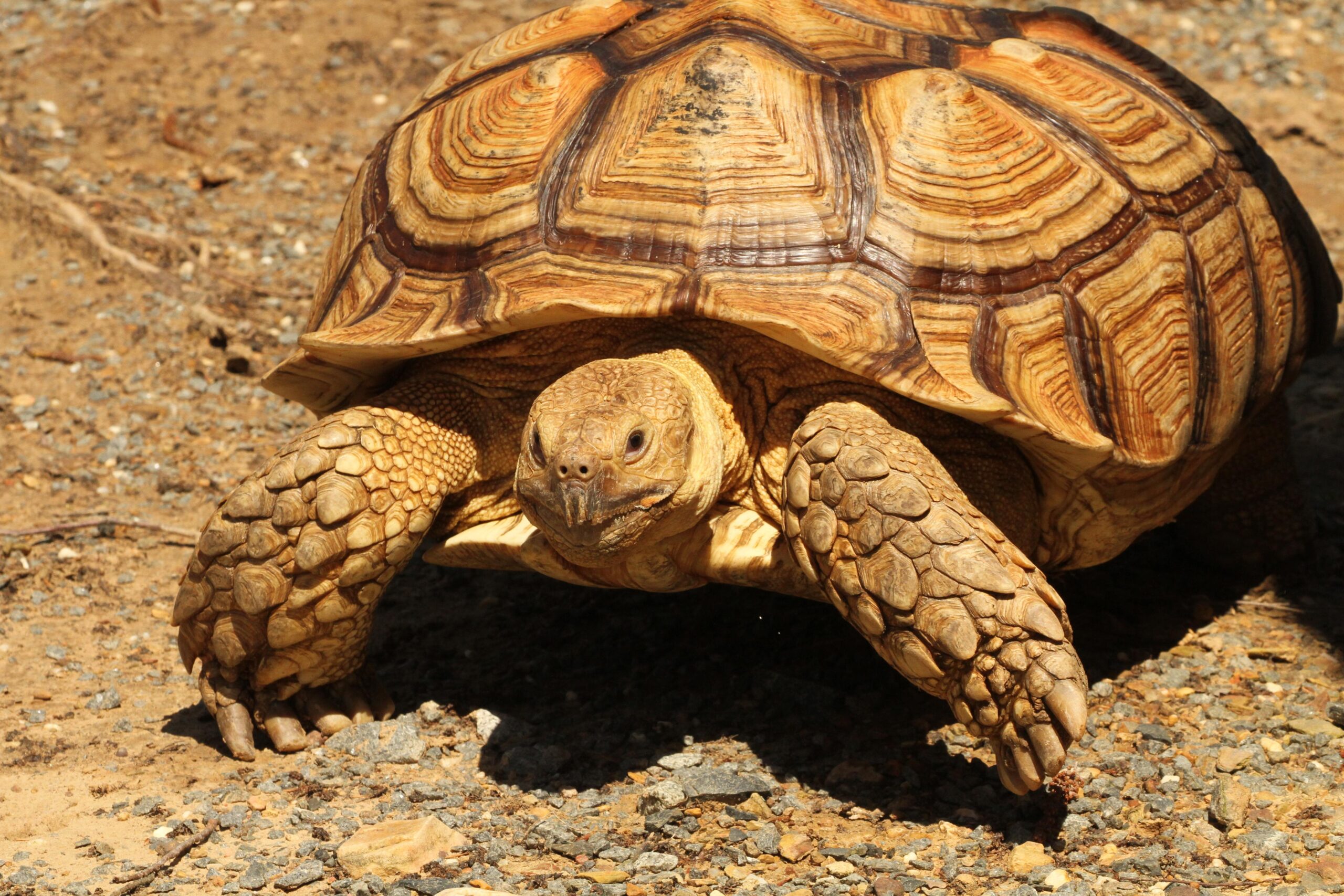
Meet Jonathan The Tortoise: The Oldest Living Land Animal in the World
In a world where the average lifespan of most species is measured in decades, one remarkable tortoise has defied the odds, serving as a living link to the past for more than a century. Jonathan, a Seychelles giant tortoise residing on the remote island of St. Helena, holds the esteemed title of the oldest living land animal on the planet. Born in 1832,his remarkable journey through time has not only witnessed significant ancient events,including the rise and fall of empires,but also encapsulated the evolving relationship between humans and nature. As we explore Jonathan’s life, his habitat, and the dedicated efforts to ensure his well-being, we uncover more than just the story of an ancient creature; we gain insight into the challenges of conservation, the intricacies of tortoise care, and the profound connections that can exist across species and centuries. Join us as we delve deeper into the life of Jonathan, a symbol of resilience and endurance in an ever-changing world.
Exploring the Legacy of Jonathan The Tortoise and His Unique Journey
Jonathan the tortoise, with an astonishing age estimated at over 190 years, stands as a living testament to resilience and longevity. His life spans several centuries, witnessing significant historical events and shifts across the globe. Born around 1832, he has seen the rise and fall of empires, advancements in technology, and transformations in ecology. Jonathan’s enduring existence offers a unique lens through which we can appreciate both the passage of time and the deep connection between humans and wildlife. His story is not just one of survival, but also of adaptation in a rapidly changing world.
During his extensive lifetime, Jonathan has not only become a cherished resident of the Saint Helena island but also a symbol of conservation efforts. His well-being has been closely monitored, showcasing the importance of wildlife preservation and the care involved in maintaining such rare creatures. The tortoise’s diet consists predominantly of local vegetation, emphasizing the significance of habitat protection. Moreover, Jonathan has transcended his role as a mere animal; he is a global icon, inspiring conservationists and researchers alike. As we delve deeper into his life, it’s crucial to consider:
- Conservation Impact: Jonathan’s longevity encourages discussions about habitat conservation and species protection.
- Cultural Significance: Local legends and tales surrounding Jonathan enhance the cultural richness of Saint Helena.
- Scientific Insights: His unique biological makeup offers intriguing opportunities for scientific research related to aging.
Understanding the Habitat and Care Requirements of the World’s Oldest Land Animal
Jonathan the tortoise, believed to be over 190 years old, has transcended geographical boundaries, embodying the essence of endurance in the world of reptiles. Native to Saint Helena,a tiny island in the South Atlantic Ocean,Jonathan thrives in a habitat characterized by subtropical climate conditions,which provide the warmth essential for his cold-blooded physiology. His environment includes lush pastures, low-growing vegetation, and occasional rocky outcrops, which not only serve as hiding spots but also as natural enrichment that strengthens his overall well-being. Caring for such a remarkable creature requires a comprehensive understanding of his habitat needs, ensuring that conditions are as close to his natural surroundings as possible. Key aspects of his care include:
- Nutrition: A diet rich in leafy greens, fruits, and vegetables, supplemented with calcium and other essential minerals.
- Temperature Regulation: Proper basking areas to enable thermoregulation, vital for his metabolic functions.
- Moisture Control: Providing clean, fresh water and maintaining humidity levels appropriate for his species.
Caring for Jonathan is not just about meeting his physical needs; it also involves fostering a stimulating environment that encourages natural behaviors. Enrichment exercises,like regular outdoor exploration and interactions with caregivers,play a vital role in his mental health. The following table outlines some of the essential habitat requirements crucial for the well-being of tortoises, particularly those of his kind:
| Requirement | Description |
|---|---|
| Space | Ample outdoor space for roaming and foraging. |
| Shade | Access to shaded areas to escape the heat. |
| Hiding Spots | Natural shelters to provide privacy and security. |
Lessons from Jonathan’s Longevity: Insights into Tortoise Conservation and Well-Being
Jonathan’s extraordinary lifespan offers invaluable insights into how proper care and habitat can substantially enhance tortoise conservation efforts. His life story underscores the importance of creating environments that closely mimic their natural habitats. Caregivers should consider the following aspects:
- Diet: A well-balanced diet rich in greens, fruits, and vegetables promotes longevity.
- Environment: Spacious, secure habitats with access to sunlight and shelter are crucial.
- Social Interaction: While some tortoises are solitary, appropriate social interactions can foster well-being.
- Health Monitoring: Regular veterinary check-ups to prevent and treat ailments are necessary.
Moreover, Jonathan’s case demonstrates the significance of dedicated conservation efforts. By focusing on the preservation of their natural habitats and raising awareness about the impact of human activities on tortoise populations, we can pave the way for future generations of these amazing reptiles. Consider the following strategies for effective tortoise conservation:
| Strategy | Description |
|---|---|
| Habitat Protection | Preserving natural environments from deforestation and progress. |
| Community Engagement | Involving local communities in conservation efforts to foster responsibility. |
| Research Initiatives | Promoting studies on tortoise behavior and health to adapt conservation practices. |
| Legal Protections | Advocating for laws that protect tortoise species from poaching and illegal trade. |
Final Thoughts
As we conclude our exploration of Jonathan the Tortoise, the oldest living land animal in the world, it becomes clear that his remarkable journey transcends mere longevity. Jonathan’s life serves as a living testament to resilience,adaptability,and the importance of conservation. Residing on the idyllic St. Helena island, this extraordinary tortoise not only embodies a rich historical narrative but also raises awareness about the need to protect endangered species and their habitats. As we celebrate his remarkable age of over 190 years, we are reminded of the delicate balance that exists in nature and the critical role each species plays within it. In an era where biodiversity is increasingly threatened, Jonathan’s story invites us to reflect on our stewardship of the planet and inspires hope for the future, as we strive to preserve the wonders of our natural world for generations to come.










