
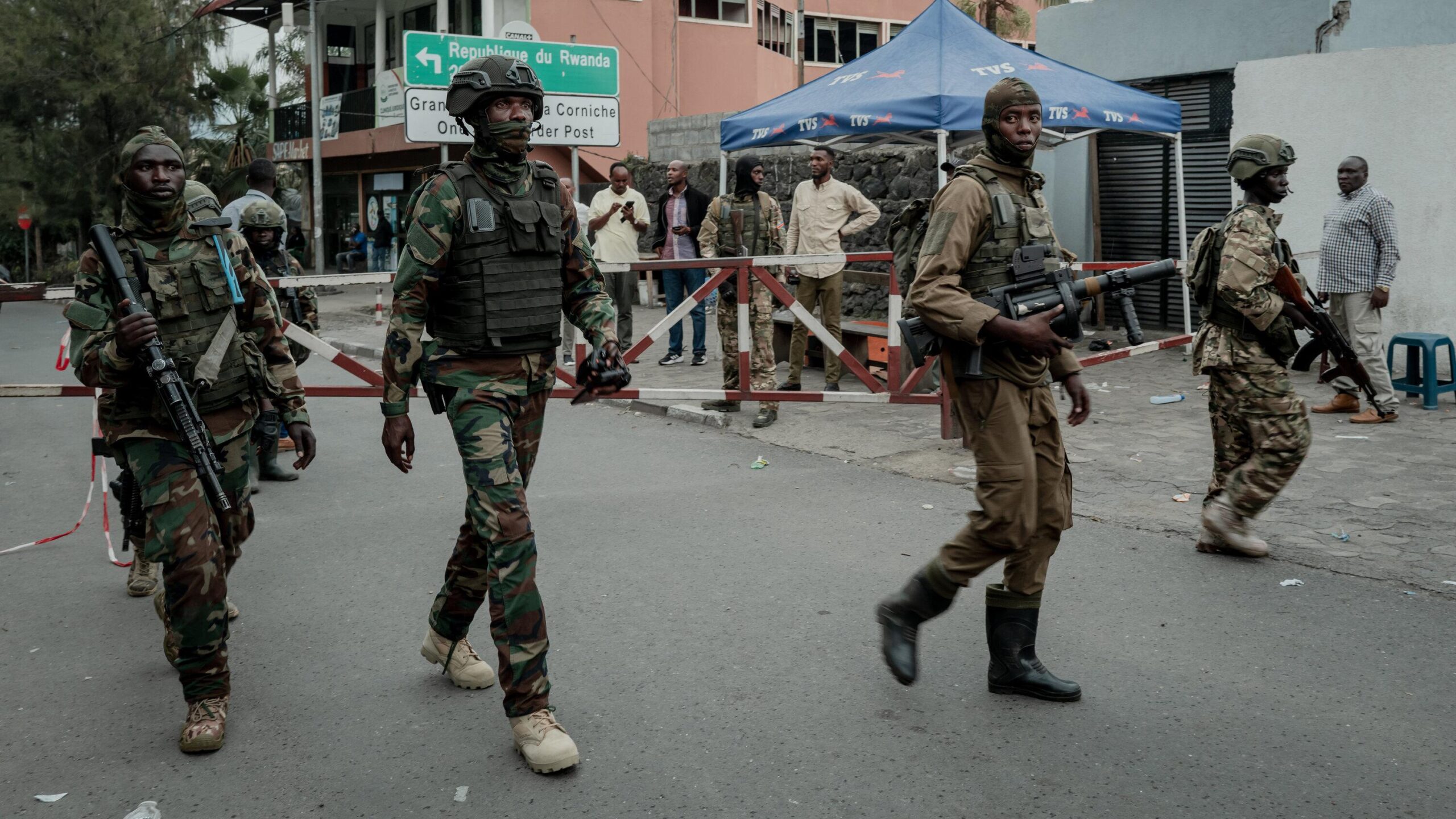
Introduction:
In recent years, the tensions between the Democratic republic of the Congo (DRC) and Rwanda have escalated into a conflict that not only threatens the stability of the region but also raises complex questions about historical grievances, ethnic strife, and geopolitical interests. The roots of this discord trace back to a tumultuous past, marked by the Rwandan Genocide of 1994 and its aftermath, which saw massive migrations and lingering hostilities that continue to fuel animosities today. The resurgence of armed groups and territorial disputes add layers of complexity to an already fraught relationship, prompting an urgent need for dialog and resolution.In this article, we will explore the multifaceted reasons behind the ongoing strife between congo and Rwanda, examining the social, political, and economic factors that perpetuate this conflict, as well as the implications for peace and security in Central Africa.
Understanding the Historical context of the Congo-Rwanda Conflict
The historical roots of the Congo-Rwanda conflict are deeply intertwined with the legacy of colonialism and the complex dynamics of ethnicity in Central Africa. Belgium’s colonial rule in the Congo, which lasted until 1960, exacerbated ethnic divisions by favoring the Tutsi minority over the Hutu majority.This favoritism cultivated resentment among the Hutu, culminating in the 1994 Rwandan Genocide, where over 800,000 Tutsis and moderate Hutus were killed. Post-genocide, the rwandan Patriotic Front (RPF), led by Paul Kagame, seized control of Rwanda, leading to a mass exodus of Hutu refugees, many of whom settled in eastern Congo, further complicating the region’s ethnic landscape.
In the subsequent years, the Congo became a battleground for various armed groups, including remnants of the genocidal regime from Rwanda, as well as local and regional militias.The First and Second Congo wars saw Rwanda intervening militarily, ostensibly to neutralize the threat posed by the Hutu militias, but also to secure access to Congo’s vast mineral resources. Key factors influencing the ongoing tension include:
- Resource competition: Both nations vie for control over rich mineral deposits, including coltan and gold.
- Security concerns: Rwanda perceives threats from Hutu militias operating in Congolese territory.
- Interference from regional actors: Countries like Uganda have also participated, complicating peace efforts.
| Year | Event |
|---|---|
| 1994 | Rwandan Genocide leads to influx of Hutu refugees into Congo. |
| 1996-1997 | First Congo War; Rwandan forces support Laurent-Désiré Kabila. |
| 1998-2003 | Second Congo War; regional war involving multiple African countries. |
The Role of Ethnic Tensions and Political Power Struggles
At the heart of the conflict between Congo and Rwanda lies a complex intertwining of ethnic tensions and political power struggles that have been exacerbated by historical grievances and strategic ambitions. The Rwandan Genocide of 1994 not only led to a massive influx of Hutu refugees into eastern Congo but also entrenched deep-seated animosities between Hutu and Tutsi communities. This movement of people transformed the political landscape of the region, contributing to a volatile environment where ethnic identity became a powerful political tool. As the Kinyarwanda-speaking Congolese population emerged amid these tensions, issues of citizenship and discrimination became flashpoints that fueled violence and unrest.
Furthermore, the competition for control over critical resources, such as minerals, has intensified the ongoing disputes. Rebel groups, frequently enough supported by foreign powers, exploit these divisions to claim territory and authority, thereby complicating the path to peace. Recent years have seen shifting alliances among various ethnic groups, fundamentally altering the political dynamics. A closer examination reveals that the interplay of ethnicity and economic interests has led to a cycle of violence that has proven resistant to resolution. The following table outlines some key factors in the conflict:
| Factor | Impact |
|---|---|
| Ethnic Identity | Heightens divisions and provokes violence |
| Resource competition | Increases tensions among conflicting parties |
| Foreign Intervention | Complicates conflict resolution and peace efforts |
| Historical Grievances | Perpetuates cycles of mistrust and hostility |
to sum up
the ongoing conflict between Congo and Rwanda is rooted in a complex interplay of historical grievances, ethnic tensions, and geopolitical interests that transcend borders. The legacy of colonialism, the Rwandan Genocide, and the subsequent power struggles have fostered a cycle of violence that has deeply affected the lives of millions in both nations. As international attention remains pivotal to addressing these issues, it is crucial for the global community to foster dialogue, support diplomatic efforts, and prioritize humanitarian aid to alleviate the suffering of those caught in this protracted conflict. Understanding the depth of this crisis not only highlights the urgent need for resolution but also underscores the broader implications for regional stability in central Africa. As the situation continues to evolve, it will be essential to monitor developments closely, ensuring that the voices of the affected populations remain at the forefront of discussions around peace and reconciliation.










