
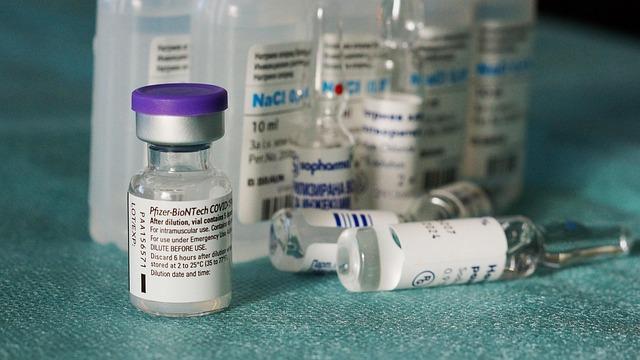
In a notable stride toward bolstering Africa’s vaccine manufacturing capabilities, BioNTech, the German biotechnology company renowned for its pioneering mRNA technology, has established a state-of-the-art manufacturing facility in Rwanda. Officially inaugurated in the heart of Kigali, this facility represents not only a groundbreaking advancement in the continent’s health landscape but also a strategic move to enhance local production of vaccines and medicines in response to public health emergencies. the facility aims to serve not only Rwanda but also to provide essential vaccines for the wider African market, addressing ongoing challenges of supply chain vulnerabilities and access to critical healthcare resources. This article delves into the implications of BioNTech’s investment, the technology behind mRNA vaccines, and the potential impact on Rwanda’s economy and public health infrastructure, as the nation positions itself as a hub for pharmaceutical innovation in Africa.
biontech’s Innovative mRNA Vaccine Manufacturing Facility: A Game Changer for Rwanda’s Health Sector
The establishment of BioNTech’s mRNA vaccine manufacturing facility in Rwanda represents a pivotal shift in the landscape of public health across the African continent. This state-of-the-art facility will not only empower Rwanda but also serve as a vital hub for the production of vaccines that can respond to global health challenges. With mRNA technology at the forefront of vaccine innovation, this facility is poised to enhance local vaccine production capabilities and reduce dependency on imported vaccines. Key benefits include:
- Increased Vaccine Accessibility: By producing vaccines locally, Rwanda aims to ensure timely availability for the population, substantially improving immunization rates.
- Boost to the Local Economy: The facility will create jobs and stimulate the surrounding community, fostering growth in biotechnology and related sectors.
- Tackling Health Emergencies: With the capacity to produce vaccines for emerging infectious diseases, Rwanda can respond swiftly to future health crises.
this initiative highlights a broader commitment to enhancing public health infrastructure in Africa, enabling the continent to take its destiny into its own hands regarding health solutions. Additionally, the partnership between BioNTech and the Rwandan government is expected to drive innovation and research in mRNA technology, creating opportunities for knowledge transfer and skill growth among local scientists and healthcare professionals. Through this groundbreaking project, Rwanda is not just improving its health system but is also setting a transformative example for other nations striving to build resilient healthcare frameworks.
Enhancing Local Capacity: The Impact of BioNTech’s Facility on African Vaccine Production
The establishment of BioNTech’s mRNA vaccine manufacturing facility in Rwanda marks a pivotal shift in the landscape of vaccine production across Africa. This facility not only brings cutting-edge technology to the continent but also plays a crucial role in addressing the persistent challenges faced by local healthcare systems. By harnessing the power of mRNA technology, Rwanda is poised to enhance its local capacity to produce vaccines, which is especially vital in the face of global health crises. The key benefits of this initiative include:
- Job Creation: The facility is expected to generate numerous local jobs, fostering economic growth and stability.
- technology Transfer: Collaborations with BioNTech will facilitate the transfer of knowledge and expertise, empowering local scientists and technicians.
- Increased Access: Local production ensures timely access to vaccines for the African population, reducing dependency on international suppliers.
- Strengthened Healthcare Infrastructure: Investment in the facility will bolster the overall healthcare framework, enabling a robust response to future health challenges.
The impact of this facility goes beyond immediate health benefits; it represents a step towards self-sufficiency in vaccine production across Africa. historically, many African countries have had to rely on imports for essential vaccines, which often results in delays and shortages during critical times. This new venture not only mitigates such risks but also lays the groundwork for a enduring model of pharmaceutical production that can adapt to evolving health needs. As a result, enhanced local capacity will empower African nations to take charge of their health futures, ultimately contributing to global health security.
Strategic Recommendations for Sustainable Development in Rwanda’s Biopharmaceutical Industry
To foster sustainable development in Rwanda’s biopharmaceutical industry, strategic investments in infrastructure and human capital are paramount. Establishing robust training programs focused on biopharmaceutical manufacturing, quality control, and regulatory affairs will cultivate a skilled workforce capable of meeting both local and international demands. Moreover, collaborative efforts with educational institutions and research organizations can promote innovation and technological transfer. To enhance operational capacity,it is indeed essential to invest in state-of-the-art facilities that comply with global standards,ensuring that Rwanda can serve as a reliable hub for vaccine production in Africa.
Moreover, incentivizing local investments through tax breaks and subsidies can stimulate the growth of local biopharmaceutical companies, fostering a competitive landscape. Establishing partnerships with multinational corporations will not only bring expertise but also foster knowledge sharing, enabling Rwanda to build its own intellectual property in the biopharmaceutical sector. emphasizing sustainable practices in the manufacturing process, such as waste management and energy efficiency, will align Rwanda’s biopharmaceutical industry with global sustainability goals, ensuring long-term resilience and prosperity.
In Retrospect
the establishment of the BioNTech mRNA vaccine manufacturing facility in Rwanda represents a significant milestone in the global fight against infectious diseases, particularly in the wake of the COVID-19 pandemic. by harnessing cutting-edge technology and fostering local expertise, this state-of-the-art facility not only aims to enhance vaccine accessibility across Africa but also paves the way for the continent’s self-sufficiency in pharmaceutical manufacturing. With strong governmental support and collaboration with international partners, Rwanda is on the cusp of becoming a hub for biopharmaceutical innovation, possibly revolutionizing healthcare delivery in the region.As the world continues to grapple with emerging health threats, initiatives like this serve as a beacon of hope, underlining the importance of equitable access to life-saving vaccines and treatments.The success of the BioNTech facility will not only contribute to local economies but also inspire similar projects across the globe, highlighting the necessity of strategic investments in health infrastructure to safeguard public health for future generations.










