
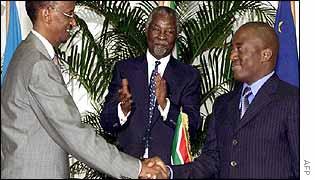
In a significant development on the road to peace in the Great Lakes region, Rwanda and the Democratic Republic of the Congo (DRC) have reached an initial agreement ahead of a formal signing scheduled for next week, as reported by Reuters. This diplomatic breakthrough comes in the wake of escalating tensions and prolonged conflict that have marred relations between the two neighboring nations. The forthcoming peace agreement aims to address key issues contributing to unrest, including border security, militia activity, and the humanitarian crisis affecting millions in both countries. As international observers closely monitor the situation, the success of this agreement could pave the way for a more stable and cooperative relationship, fostering peace and development in a region long troubled by violence and instability.
Rwanda and DRC Move Forward with Peace Agreement as Regional Stability Hangs in the Balance
The recent diplomatic engagement between Rwanda and the Democratic Republic of the Congo (DRC) marks a significant step toward regional harmony. Both nations have expressed mutual commitment to resolving ongoing tensions and fostering security in the Great Lakes region. The peace agreement, which is set to be signed next week, comes after arduous negotiations aimed at addressing issues such as armed conflict, border security, and humanitarian concerns. Key aspects of the agreement include:
- Joint Military Operations: Establishment of collaborative efforts to counter armed groups operating along the border.
- Humanitarian Aid Initiatives: Programs to support displaced populations and vulnerable communities affected by conflict.
- Dialog Mechanisms: Ongoing political dialogue to address grievances and promote reconciliation.
As tensions have historically disrupted the relationship between the two states,this breakthrough is viewed as a pivotal moment not only for Rwanda and the DRC but for the entire region. While the initial framework of the peace agreement lays the groundwork for stability, the success of these measures will depend on the commitment and cooperation of both parties. With regional organizations keenly observing the developments, the hope is that a sustainable peace can be achieved to foster economic growth and stability in an area long beset by conflict.
| Country | Recent Development | Expected Outcome |
|---|---|---|
| Rwanda | New peace agreement initialed | Enhanced regional cooperation |
| DRC | Commitment to joint security measures | Reduction in armed conflict |
Key Provisions of the Rwanda-DRC Deal: A Path to Lasting Peace or a Temporary Fix?
The recent agreement between Rwanda and the Democratic Republic of Congo (DRC) signifies a possibly transformative moment in a region long plagued by conflict. Central to the accord are several key provisions aimed at addressing the root causes of tension and fostering stability. Notable aspects include:
- Ceasefire Commitments: Immediate cessation of hostilities, with both nations pledging to halt military operations against one another.
- Joint Peacekeeping Forces: Establishment of neutral peacekeeping units, involving both Rwandan and DRC forces, to monitor the situation on the ground.
- Dialogue Framework: Initiation of an inclusive dialogue process to incorporate local communities and civil society organizations.
- Humanitarian Access: Commitments to allow unrestricted humanitarian aid to conflict-affected areas.
While these provisions present a framework for potential peace,skeptics worry whether this initiative can yield lasting changes or merely function as an interim solution to ongoing unrest. The durability of this agreement hinges on its implementation and the commitment of both governments to genuinely engage with the concerns of their citizens. Recent history has shown that peace deals can falter due to a lack of follow-through, generating questions regarding:
| Factors Influencing Success | Potential Risks |
|---|---|
| Genuine Political Will | Failure to uphold commitments |
| International Support | Continued external interference |
| Inclusion of Local Voices | Marginalization of minority groups |
| Effective Monitoring Mechanisms | Inadequate enforcement actions |
International Community’s Role in Supporting the Rwanda-DRC Peace Process: Recommendations for Effective Engagement
The international community plays a crucial role in facilitating dialogue and ensuring sustainable peace between Rwanda and the Democratic Republic of Congo (DRC). Effective engagement requires a multi-faceted approach, focusing on diplomatic support, capacity building, and addressing root causes of conflict. Key strategies include:
- Strengthening Diplomatic Channels: Regular meetings among regional leaders, is essential in fostering trust and prioritizing clear dialogue.
- Financial Support and Development Aid: The international community should provide resources aimed at rebuilding war-affected areas and promoting socio-economic development.
- Involvement of Civil Society: Encouraging grassroots participation can definitely help ensure that the peace process reflects the needs and aspirations of local populations.
- Monitoring and Evaluating Progress: Establishing an self-reliant oversight body can definitely help track commitments made by both nations to foster accountability.
Moreover, the establishment of collaborative tasks is vital for ensuring long-term stability. A structured approach involving international peacekeepers and observers can definitely help maintain peace during the transition. Below is a summary of potential collaborative tasks for effective peacebuilding:
| Task | Description |
|---|---|
| Strengthening Borders | Implement joint border patrols to reduce illegal crossings and prevent militancy. |
| Cultural Exchange Programs | Foster mutual understanding through educational and cultural initiatives. |
| Conflict Resolution Training | Provide training for local leaders on negotiation and conflict resolution techniques. |
The Conclusion
As the world closely watches the evolving situation in the Great Lakes region, the imminent signing of the peace agreement between Rwanda and the Democratic Republic of the Congo represents a critical juncture in the quest for stability and reconciliation.The agreement, facilitated by international stakeholders and regional leaders, underscores the importance of dialogue and cooperation in addressing long-standing tensions and fostering a path toward a more peaceful coexistence. If prosperous, this initiative could not only transform relations between the two nations but also serve as a model for conflict resolution in the region. As both parties prepare to formalize their commitments, the hope remains that these negotiations will pave the way for lasting peace, security, and prosperity for the people of Rwanda and the DRC. The global community will wait with bated breath for the formal signing next week, optimistic that a new chapter is about to unfold in this often tumultuous part of Africa.










