
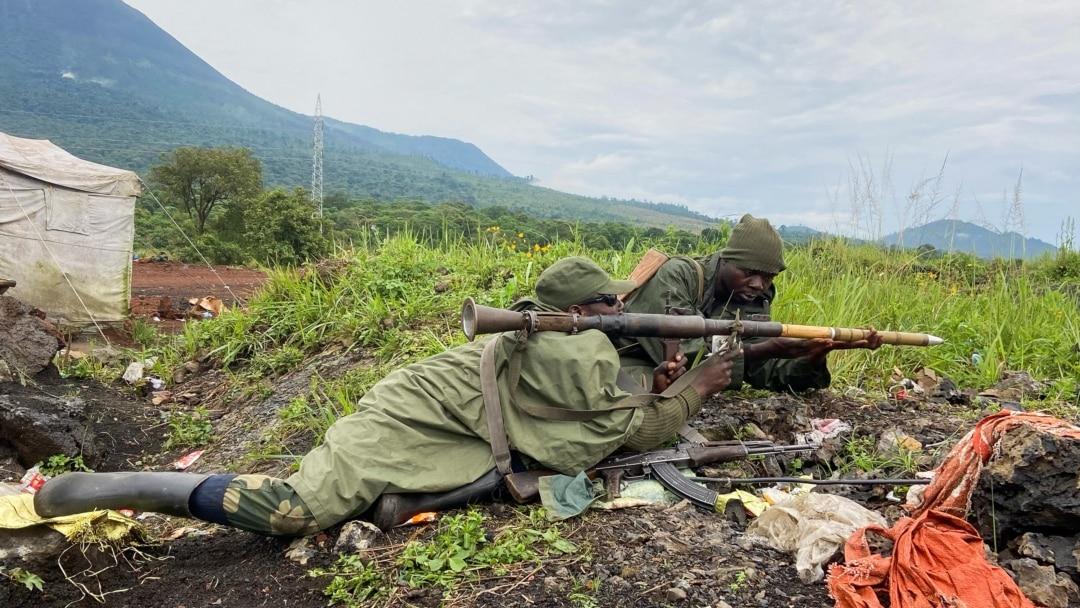
In a region marked by its tumultuous history and complex geopolitical dynamics,the ongoing conflict involving the M23 rebel group and Rwanda has brought renewed attention to the shifting boundaries and power structures in Central Africa. As tensions escalate, the implications of this struggle extend far beyond the immediate parties involved, threatening to redraw the map of political influence in an already volatile landscape. With accusations of support and intervention flying between nations, the situation has reached a critical juncture where the potential for widespread instability looms large. This article delves into the roots of the M23 movement, examines Rwanda’s strategic interests in the region, and explores the broader ramifications of this conflict on peace and security in East Africa. As the stakes rise, understanding the intricate web of alliances and animosities becomes essential to grasping the full impact of these unfolding events.
M23’s Strategic Ambitions and Rwanda’s Role in Regional Instability
The resurgence of the M23 rebel group in the eastern Democratic Republic of the Congo represents a significant escalation in the complex interplay of regional politics, involving not only local stakeholders but also external actors like Rwanda. This group,which has a notorious history of violence and instability as its inception in 2012,aims to leverage the ongoing frustrations over ethnic tensions,socio-economic discontent,and governmental inadequacies. Rwanda’s alleged support for M23 serves not just their partisan interests but also aligns with broader strategic goals, including:
- Control over mineral resources – The eastern DRC is rich in valuable minerals, making it critical for both local and foreign economic interests.
- Strengthening regional influence – By backing M23, Rwanda seeks to assert its dominance in the Great Lakes region, challenging the DRC’s sovereignty.
- Ethnic solidarity – The Rwandan government has historically claimed to support the Tutsi populations in the DRC against Hutu-led groups, further complicating ethnic dynamics.
The implications of M23’s ambitions and rwanda’s involvement have dire consequences for regional stability. While Rwanda may view its actions as protective, they risk exacerbating an already fragile security environment characterized by displaced populations and humanitarian crises. Recent patterns indicate a potential escalation of hostilities, with rising military engagements and retaliatory violence threatening to envelop other neighboring countries. A deeper examination reveals a multifaceted crisis where strategic redrawing of borders and alliances could lead to:
| Potential Outcomes | Impacts |
|---|---|
| Worsening humanitarian Crisis | Increased displacement and suffering for civilians caught in conflict. |
| Broader Conflict Spread | Intervention from neighboring nations, heightening tensions across borders. |
| Deterioration of Diplomatic Relations | Regional isolation of rwanda, damaging existing alliances. |
Analyzing the Humanitarian Impact of the Conflict on local Communities
The ongoing conflict driven by M23 and Rwandan interests is profoundly undermining the very fabric of local communities. Displacement has become a tragic norm, with thousands forced to flee their homes, resulting in a humanitarian crisis that strains both urban and rural infrastructures. Essential services, including healthcare and education, are collapsing under the pressure of a rapidly increasing refugee population. Local markets are experiencing severe disruptions, leading to escalating food prices and shortages. The implications of such instability manifest in various ways:
- Health Risks: Outbreaks of disease are rising as sanitary conditions deteriorate.
- Education Disruption: Many children are unable to attend school, jeopardizing their futures.
- Psychosocial Trauma: The psychological toll on communities is profound, with many individuals suffering from PTSD.
Moreover, local governance structures are substantially weakened as conflicts create divisions within communities, frequently enough leading to ethnic tensions that complicate reconciliation efforts. Humanitarian organizations strive to provide assistance, yet the continual conflict hampers their reach and effectiveness. The dire need for sustained humanitarian aid is evident, and as the struggle persists, local communities are left to bear the brunt of political ambitions:
| Impact Area | Current Status | Future Projections |
|---|---|---|
| Displacement | Over 1 million displaced | Expected to rise due to ongoing violence |
| Healthcare Access | 50% of clinics non-operational | Chronic shortages unless conflict mitigated |
| Food Security | 30% of population food insecure | Further decline as market disruptions continue |
Diplomatic Solutions and International Responses to Prevent Escalation
Amid the rising tensions surrounding the actions of M23 and Rwanda, diplomatic avenues are becoming increasingly crucial in mitigating the potential fallout from an escalated conflict in the region. Several international actors have called for immediate dialog, emphasizing the need for a collective approach that respects the sovereignty of the affected states and prioritizes human rights.Key diplomatic strategies include:
- Engagement with Regional Powers: Encouraging neighboring countries to play a more active role in mediating tensions.
- Strengthening multilateral Institutions: Utilizing platforms such as the African Union and the united Nations to facilitate discussion and uphold international law.
- Confidence-Building Measures: Promoting initiatives that foster trust between conflicting parties and reduce military posturing.
international responses must also entail a coordinated effort to support humanitarian needs and stabilize the region. The potential for increased violence necessitates a proactive stance by the global community to avert a humanitarian disaster. A recent table summarizes critical international interventions over the past year:
| Intervention Type | Involved Parties | Date | Status |
|---|---|---|---|
| Diplomatic Talks | AU, Rwanda, DRC | March 2023 | Ongoing |
| Humanitarian Aid | UN Agencies | June 2023 | In Progress |
| Sanctions Discussion | EU, US | September 2023 | Proposed |
This framework emphasizes not only the necessity of immediate diplomatic efforts but also the commitment of the international community to ensure peace and stability in a region fraught with divisions and conflicts over territorial integrity.
Key Takeaways
the escalating tensions surrounding the activities of M23 and the involvement of Rwanda mark a critical juncture in regional stability and geopolitics. As these dynamics unfold, the potential for conflict remains high, threatening not only the immediate parties involved but also the wider African continent. The intricate past legacies, power struggles, and the quest for territorial control underscore the urgency for diplomatic interventions and a concerted global response. As the situation continues to develop, stakeholders must prioritize dialogue and peacebuilding initiatives to prevent further escalation and to ensure a stable future for the people of the Great Lakes region. The world watches closely, and the decisions made in these pivotal moments will resonate for years to come, shaping the contours of national borders and local lives alike.










