
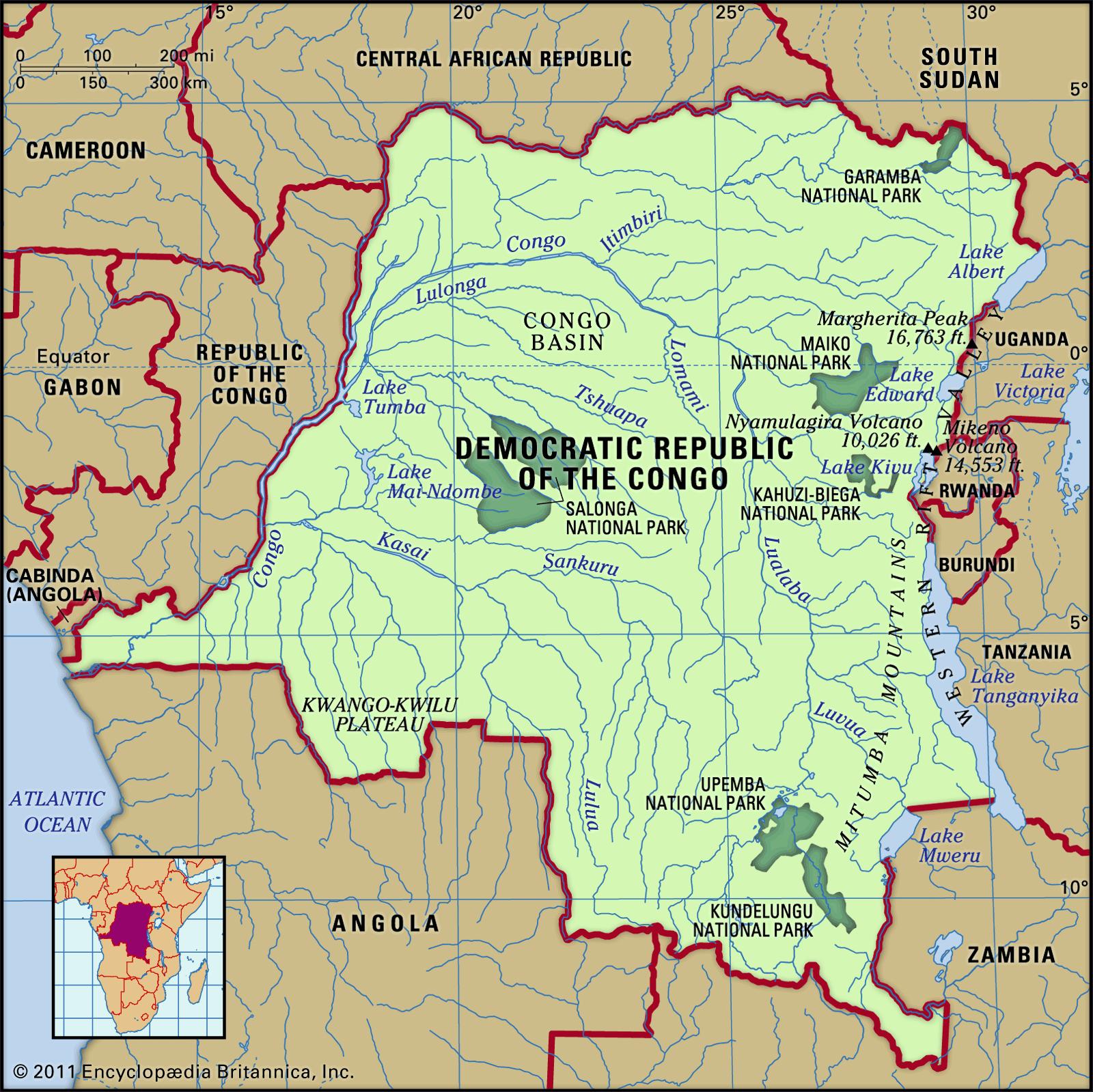
Tshisekedi’s Plea for Peace Talks with Rwanda
In a significant step towards promoting regional peace, President Félix Tshisekedi of the Democratic Republic of Congo has called upon Rwandan President Paul Kagame to engage in discussions aimed at reducing escalating tensions between their nations. This appeal comes amid increasing violence in eastern DRC, where the resurgence of armed groups has further complicated an already fragile security situation. Tshisekedi’s request for dialogue highlights the urgent need for cooperative efforts to address common challenges and demonstrates a commitment to achieving stability within the Great Lakes region.
The essential elements of President Tshisekedi’s diplomatic initiative include:
- Establishing Trust: Developing open lines of communication to address shared concerns effectively.
- Bilateral Cooperation: Enhancing partnerships that focus on economic development and security matters.
- Nonviolent Conflict Resolution: Promoting negotiations aimed at peacefully resolving ongoing disputes.
This initiative by Tshisekedi reflects a broader commitment to improving regional stability, which not only benefits both DR Congo and Rwanda but also contributes positively towards a more secure Central Africa.
Effects of Regional Conflict on Stability in DR Congo
The ongoing turmoil within the Great Lakes region poses serious threats to the stability of the Democratic Republic of Congo (DRC). The recent diplomatic overtures made by President Félix Tshisekedi toward Rwanda underscore how interconnected regional politics are and highlight that collaboration is vital in addressing unrest. Despite its wealth in natural resources, years marked by conflict-often fueled by external factors such as Rwandan involvement-have hindered national progress and weakened governmental authority. To tackle these issues effectively requires a comprehensive diplomatic approach that encompasses not only bilateral discussions but also engagement with international stakeholders committed to fostering peace in the region.
A detailed analysis reveals several key factors affecting both countries:
| Causal Factor | Impact on Stability |
|---|---|
| Armed Groups | The existence of militant factions perpetuates ongoing violence. |
| Economic Interdependence | The sharing of resources can either foster cooperation or ignite conflict. |
| International Influence | The role played by global actors shapes diplomatic conversations significantly. |
| Persistent Historical Tensions | Past conflicts create deep-seated mistrust between nations involved. |
Tackling these complex issues is essential not just for DRC but also for neighboring regions since successful peace initiatives will likely have extensive implications beyond national borders. Without dedicated efforts addressing core problems-including political dialogue and mutual economic interests-the cycle of violence may continue, undermining attempts at peacebuilding and development. As leaders from both nations work towards greater unity, DRC’s stability serves as an indicator for future prospects across the entire area.
Approaches to Fostering Lasting Peace in the Great Lakes Region
The quest for enduring peace within the Great Lakes area necessitates a multifaceted strategy that addresses immediate conflicts while establishing foundations for sustainable development initiatives. Key actions include:
- Enhancing Diplomatic Engagement:Create frameworks that prioritize open dialogues between DR Congo and Rwanda, fostering transparency while building trust among leaders.
- Ecosystem-Based Economic Initiatives:Create collaborative ventures focused on trade relations which can cultivate interdependence while minimizing potential sources of conflict.
- Civic Involvement: Engaging local communities in decision-making processes ensures alignment with their needs while nurturing grassroots support.
Additionally, implementing collective security measures involving all neighboring countries is crucial:
- Create Regional Peacekeeping Forces: Establish neutral task forces composed from various countries tasked with monitoring ceasefires effectively de-escalating tensions across borders.
- Sustainable Resource Management Policies: Develop cooperative frameworks governing resource distribution ensuring fairness while preventing exploitation.
- Cultural Exchange Programs: Promote understanding through initiatives showcasing shared histories alongside diverse cultural narratives bridging divides among communities.
Final Thoughts
In conclusion, President Félix Tshisekedi’s call for dialogue with Rwanda emphasizes an urgent need for reconciliation amidst long-standing conflicts within this region. As tensions continue to threaten both nations’ futures; prioritizing diplomacy emerges as an essential step toward achieving lasting stability throughout Democratic Republic Of The Congo along its neighbors . The global community remains watchful regarding these developments; genuine collaboration between DR Congo &Rwanda could pave pathways leading toward enhanced security & prosperity ahead . Moving forward , sustained focus upon diplomacy coupled alongside cooperative endeavors will prove vital when confronting complex challenges faced collectively.
- Create Regional Peacekeeping Forces: Establish neutral task forces composed from various countries tasked with monitoring ceasefires effectively de-escalating tensions across borders.










