
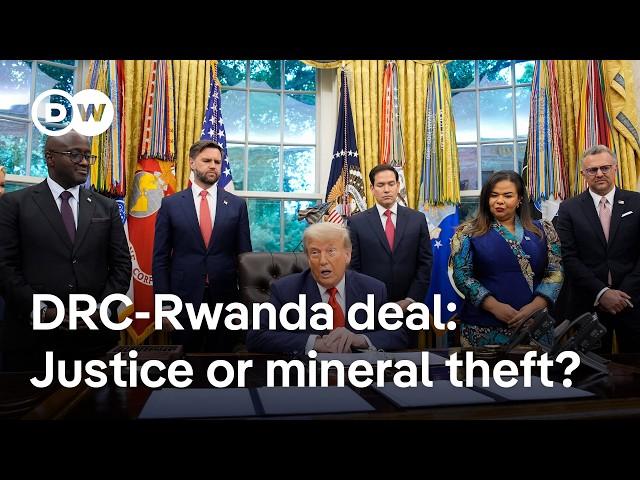
DRC Voices Concerns Over EU’s Inconsistent Mineral Trade Practices
The Democratic Republic of the Congo (DRC) has raised serious concerns regarding the European Union’s recent trade agreement with Rwanda, labeling it a blatant example of inconsistent practices in mineral sourcing. DRC officials argue that while the EU claims to champion ethical trading and responsible sourcing, its collaboration with Rwanda contradicts these principles. Given that the DRC is rich in essential minerals like cobalt and coltan, officials feel sidelined and accuse the EU of prioritizing economic interests over genuine efforts to establish sustainable and transparent supply chains. This development has heightened scrutiny regarding its implications for regional stability and resource management.
Critics within the DRC have pointed out several key issues that highlight perceived inconsistencies in the EU’s approach:
- Lack of Accountability: The agreement with Rwanda may overlook significant concerns related to mining practices and human rights abuses.
- Environmental Concerns: There are fears that minerals sourced from Rwanda may not adhere to environmental standards upheld by other EU member states.
- Impact on Local Economies: The deal could marginalize local miners in the DRC, depriving them of stable income sources and livelihood opportunities.
DCR representatives are urging a reevaluation of this trade agreement, advocating for a more equitable approach that includes transparency measures and community involvement. They seek a framework that not only facilitates trade but also ensures fair distribution of benefits derived from mineral wealth among local communities engaged in extraction activities.
Assessing Impact of EU’s Agreement on Regional Stability and Economic Fairness
The recent pact between the European Union and Rwanda concerning mineral exports has sparked controversy, particularly among stakeholders within the Democratic Republic of Congo (DRC). Critics argue this arrangement exemplifies a bifurcated strategy, undermining regional stability while compromising economic fairness. The DRC contends that by prioritizing relations with Rwanda, Europe is neglecting ongoing conflicts and exploitation occurring within eastern regions where these minerals originate. This raises critical questions about whether Europe is genuinely committed to ethical sourcing practices, or merely pursuing advantageous bilateral relationships without addressing underlying causes contributing to instability.
The response from officials in Kinshasa underscores worries about potential adverse effects stemming from this deal on local economies as well as social equity issues. An imbalance created by such agreements could further exacerbate existing tensions within Central Africa. Key considerations include:
- Sustainability Across Supply Chains: How international agreements influence fairness throughout mineral supply chains.
- Eeconomic Consequences for Locals: The need for fair trade practices supporting community welfare.
- Ecosystem Impacts: Environmental repercussions arising from increased mining activity due to favorable trading conditions.
| Aspect | Concern Raised | Proposed Solution | Trade Practices Establish transparent trading protocols < << tr "> < p>This scenario necessitates an extensive evaluation regarding how global trade agreements are formulated so they can promote both economic advancement alongside regional justice. < p >The European Union must adopt decisive measures addressing grievances raised by Democratic Republic Of Congo (DRC) pertaining inequities present within current trading arrangements especially those involving Rwandan partnerships. < ul >< li >< strong >Enhanced Transparency:< / strong > Establish frameworks mandating disclosure related both sourcing processing minerals preventing exploitation ensuring suppliers comply ethically.< / li >< li >< strong >Investment In Local Economies:< / strong > Commit resources funding initiatives fostering sustainable mining practices community development throughout DR.C thereby creating equitable opportunities.< / li >< li >< strong >Rigorous Enforcement Of Due Diligence:< / strong > Advocate stringent checks verifying all imported materials into E.U meet responsible conflict-free criteria holding partners accountable.< / li > < p Furthermore establishing collaborative platforms facilitating dialogue between E.U.,D.R.C.,and regional stakeholders will prove crucial aligning interests resolving disputes effectively operationalized through:< /
table class="wp-block-table" > |
|---|
In conclusion,the Democratic Republic Of Congo has articulated robust objections against European Unions’ dealings concerning Rwandan minerals labeling them “obvious double standards” amidst complex geopolitical dynamics prevalent across region.This situation highlights persistent tensions surrounding management strategies applied towards valuable natural resources found throughout Central Africa raising significant inquiries around ethics tied into international commercial accords.As E.U continues navigating relationships established amongst African nations,D.R.C accusations emphasize growing demands advocating transparency fairness moving forward requiring close examination dynamics influencing sustainable just partnerships benefiting all parties engaged.










