
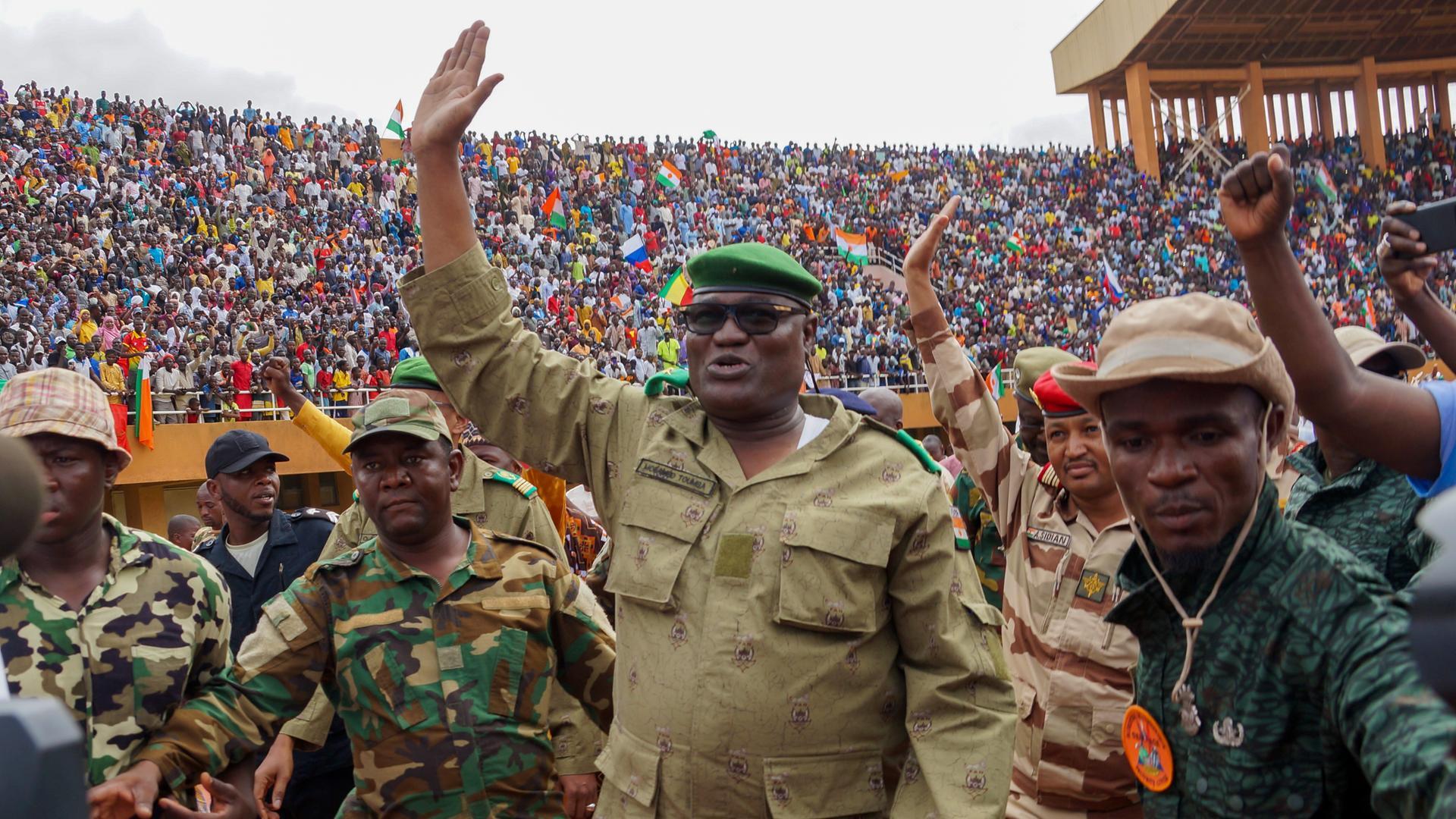
The Rising Power of Niger’s Junta: A Critical Examination
In July 2023, a military coup in Niger led to the removal of the democratically elected government, resulting in an increasingly authoritarian regime under General Abdourahamane Tiani.This junta has taken significant steps to tighten its grip on power, raising alarms among global observers and human rights advocates. As civil liberties face severe restrictions, organizations like Genocide Watch have warned about the potential for escalating violence and repression. this article explores the junta’s current tactics, their implications for Niger’s fragile democracy, and how the international community is responding to this evolving crisis in the sahel region.
Evaluating Human Rights Abuses Under Niger’s Military Regime
The ruling junta in Niger has intensified its efforts to suppress dissent and restrict freedoms, leading to widespread human rights abuses throughout the nation. Reports indicate that various oppressive measures have been enacted by the regime, including arbitrary arrests, media censorship, and political suppression. Key issues include:
- Arbitrary Arrests: Numerous individuals—including journalists and activists—have been detained without legal justification.
- Media Suppression: Journalistic outlets are facing increased censorship that hampers independent reporting on matters of public concern.
- Political Repression: Opposition leaders operate under constant threat of retaliation which discourages political engagement and undermines democratic processes.
International observers are deeply concerned about these tactics reminiscent of past humanitarian crises associated with similar regimes. The situation has deteriorated significantly; warnings have emerged regarding possible ethnic cleansing as specific groups appear targeted by state actions. Recent documented violations include:
| Type of violation | Reported Cases | Affected Groups |
|—————————-|——————–|—————————–|
| Arrests of Activists | 150+ | Journalists, Protesters |
| Media Closures | 10 outlets | N/A |
| Violent Crackdowns | Numerous incidents | Ethnic Minorities |
Consequences of Military Governance on Civil Liberties and Social Cohesion
The rise of military rule typically leads to a marked decline in civil liberties as authorities prioritize control over citizen freedoms. In Niger’s case, this consolidation has resulted in extensive crackdowns on free speech and political opposition. Citizens now endure heightened surveillance alongside restrictive laws that stifle dissenting voices—creating an atmosphere where fear inhibits public dialog.
this environment manifests through various means:
- Arbitrary Detentions: Activists face detention without due process.
- media Censorship: Independent news sources are pressured into aligning with government narratives.
- Restrictions on Assembly: Public gatherings are banned or heavily monitored.
As governmental control tightens further, social stability becomes increasingly threatened. the erosion of civil liberties fosters discontent among citizens which can lead to rising tensions within society; while such tactics may temporarily silence opposition voices they risk alienating critical segments within communities—heightening unrest as frustrations mount over deteriorating conditions.
The societal impacts can be summarized as follows:
| Issue | Societal Impact |
|—————————–|——————————————|
| Erosion of Civil Liberties | Diminished trust in governance |
| Social Unrest | Surge in protests potentially leading to violence |
| Isolation of Opposition | Formation of echo chambers complicating future dialogue |
Approaches for International Engagement Supporting Democratic Transition in Niger
As Nigeria’s ruling junta fortifies its authority further still, it is indeed imperative for the international community to devise effective strategies aimed at fostering democratic transitions within the country. Engaging through diplomatic channels is crucial; such dialogues provide opportunities for constructive discussions surrounding governance practices while emphasizing human rights concerns.
Implementing targeted sanctions against individuals responsible for human rights violations could serve both as a deterrent against further abuses while signaling global scrutiny towards their actions. Additionally, promoting regional collaboration via organizations like ECOWAS could establish a united front against authoritarianism while offering frameworks conducive to transitional support.
Another essential strategy involves utilizing international development aid strategically linked with specific benchmarks related to human rights improvements—encouraging governing bodies towards accountability-driven reforms will be vital moving forward.Moreover establishing monitoring systems designed specifically for assessing progress toward democratic principles will help maintain ongoing international support.Regular engagement with local civil society actors can empower grassroots movements ultimately contributing toward sustainable democratic practices.additionally prioritizing educational initiatives focused on civic awareness will cultivate future generations committed towards upholding democratic values.
Conclusion: Navigating Uncertainty Amidst Authoritarianism
Niger’s ruling junta’s tightening hold raises profound concerns regarding human rights conditions along with potential escalations into violence across regions affected by their governance style.As crackdowns intensify alongside increased military presence,the ramifications upon civil liberties become alarmingly severe.Warnings from organizations such as Genocide Watch underscore an urgent need for global attention aimed at preventing any further deterioration.The path ahead remains uncertain but it is indeed crucial that both local voices from within Nigeria along with those from abroad continue advocating tirelessly against oppression ensuring basic citizen rights remain protected during these tumultuous times










