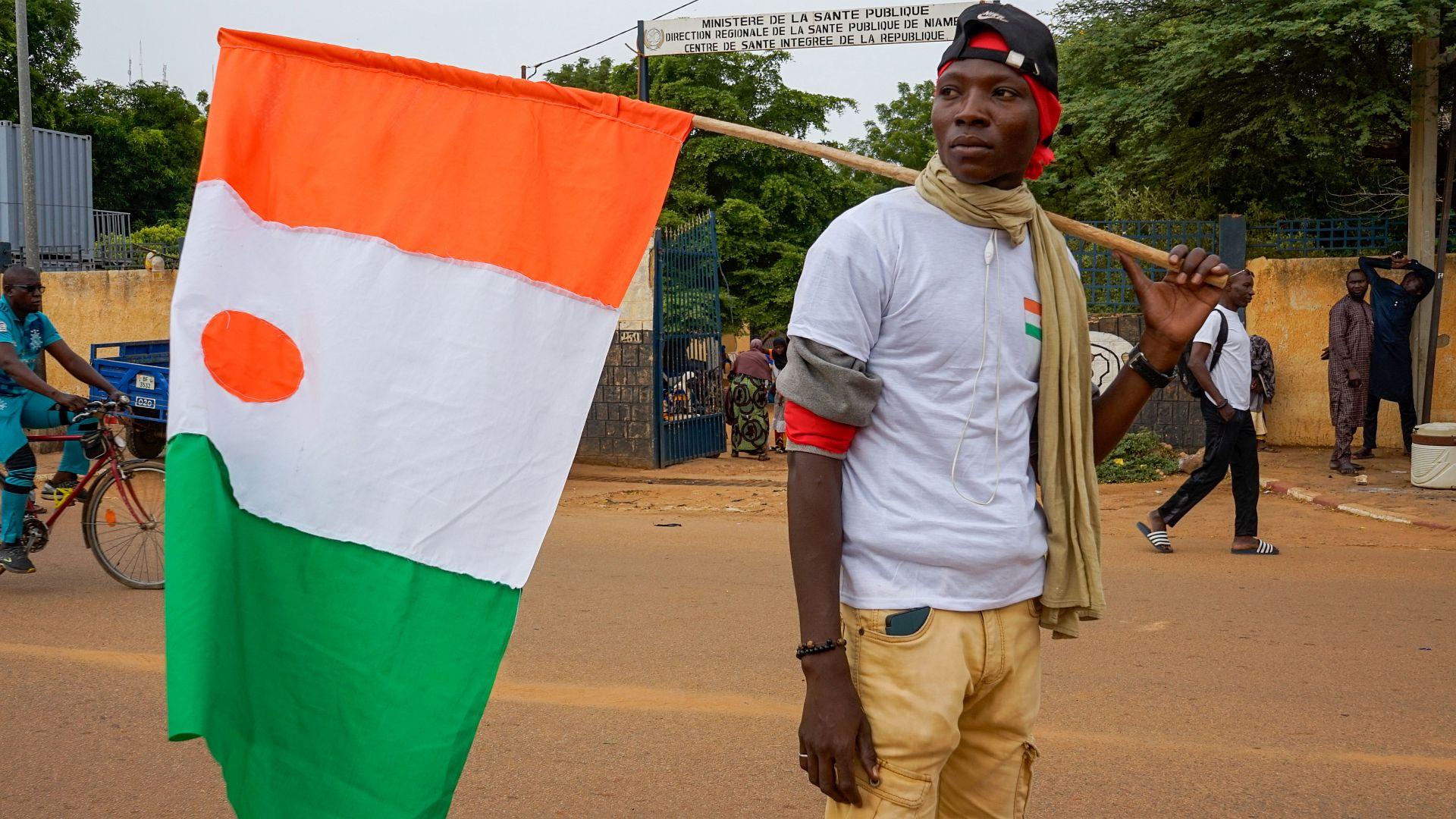
Niger’s Exit from Lake Chad Forces: A Shift in Geopolitical Dynamics
In a notable geopolitical shift, the military leadership of Niger has announced its decision to withdraw from the multinational coalition aimed at combating Islamist extremism in the Lake Chad region. This area has long been plagued by insurgent violence and instability. The proclamation has raised concerns among both regional and international observers, highlighting the complex challenges of governance and security within the Sahel region. Here, militant groups have gained ground amid political turmoil. The withdrawal could substantially impact ongoing efforts against extremist organizations such as Boko Haram and Islamic State West Africa Province (ISWAP), illustrating the difficulties faced by nations in this volatile part of Africa as they navigate internal conflicts alongside external threats.
Strategic Implications of Niger’s Withdrawal on Regional Security
The junta’s recent decision to withdraw its forces from the anti-Islamist coalition marks a significant strategic change. This move not only affects regional security but also reflects internal political dynamics within Niger. Following a coup that brought them to power, the junta may be reevaluating military alliances as it seeks to consolidate domestic authority while addressing ongoing threats posed by militant groups. Analysts express concern over potential vacuums created by this withdrawal that could impede counterterrorism efforts in an already fragile environment.
The ramifications of this strategic pivot are far-reaching, impacting several critical areas:
- Regional Security: The exit of Nigerien troops may embolden extremist factions, complicating stabilization efforts in conflict-ridden areas.
- Coalition Effectiveness: The Multinational Joint Task Force (MNJTF), which includes forces from Nigeria, Chad, Cameroon, and Benin, might encounter operational difficulties due to diminished manpower.
- Diplomatic Relations: Niger’s choice risks straining relationships with neighboring countries committed to counterterrorism initiatives within the Lake Chad Basin.
- Domestic Stability: With an emphasis on local governance issues,there is a risk that international commitments will be neglected-potentially affecting aid dependency and global standing.
Assessing Impact on Regional Security and Counter-Extremism Initiatives
Niger’s departure from the anti-Islamist coalition raises urgent questions about regional stability and also ongoing counter-extremism campaigns throughout West Africa.This action reduces collective military strength previously employed against persistent insurgencies while signaling a possible shift in Niger’s strategic priorities. As one of the key contributors within this multinational effort, Niger’s absence could create opportunities for groups like Boko Haram and ISIS-West Africa-organizations that had been largely contained through collaborative strategies-to regain influence. The implications extend beyond mere military operations; they may foster conditions conducive to increased recruitment into extremist ideologies among vulnerable populations.
The effects can be analyzed through several pivotal factors influencing regional security:
- Increased Vulnerability: Neighboring nations might face heightened threats from cross-border militants exploiting Niger’s reduced involvement.
- Civilian Consequences:A security vacuum could lead to deteriorating civil order conditions resulting in humanitarian crises across affected regions.
- Tackling Extremism Challenges:A fragmented approach towards addressing extremism threatens progress made over recent years.< / li >
- < strong > Diplomatic Responses:< / strong > A shift regarding foreign aid or military support from international allies can significantly alter cooperative dynamics within theregion.< / li >
| Pivotal Impacts | Tactical Short-Term Effects | Sustained Long-Term Consequences |
|---|
Strategies for Strengthening International Cooperation Within Lake Chad Basin
Aiming at bolstering collaborative efforts among nations surrounding Lake Chad necessitates implementing targeted strategies effectively addressing complex regional issues. Key recommendations include enhancing diplomatic engagement between member states through initiatives such as :
- < Regular High-Level Meetings : Establishing quarterly summits involving heads-of-state focused on discussing security matters ,economic collaboration ,and humanitarian needs .< li >
- < Joint Task Forces : Formulating specialized task forces dedicated specifically toward addressing unique challenges including counter-terrorism , climate change mitigation ,and refugee management .< li >
- < Cross-Border Intelligence Sharing : Bolstering mechanisms facilitating data exchange across borders aimed at preemptively confronting threats posed by extremist entities .< li />
/ ul
/p
Additionally , fostering resilient local communities via socio-economic programs can further bolster stability throughout these regions . Financing initiatives geared toward :
- < Agricultural Development : Launching projects assisting farmers with lasting practices alongside market access thereby reducing reliance upon radical narratives .< li />
- < Education & Training Programs : Investing resources into educational frameworks emphasizing conflict resolution skills while creating job opportunities deterring youth awayfromradicalizationpathways.< li />
- < Healthcare Access Initiatives : Ensuring availability concerning basic healthcare services alleviating immediate needs experienced amongst populations impacted adversely due violence & instability.< li />
/ ul
Such comprehensive approaches will cultivate an environment conducive not only towards reinforcing coalitions but also laying foundations necessary for enduring peace & development .
Conclusion: Navigating Uncertain Waters Ahead
Niger’s recent announcement regarding its withdrawal from multinational forces engaged against Islamist insurgencies surrounding Lake Chad represents a crucial turning point within broader regional security contexts . Driven primarily by intertwined political pressures coupled alongside evolving military priorities ,this decision prompts vital inquiries concerning future efficacy related toward counter-terroristic measures implemented across historically tumultuous landscapes plagued consistently throughout time periods marked heavily influenced via violent conflicts .
As developments unfold continuously moving forward ; implications arising directly impacting bothNiger itself along neighboring states warrant close observation especially focusing attention directed specifically onto how such withdrawals affect current operations targeting groups akin too Boko Haram or ISIS-affiliated factions operating therein .
The international community must reevaluate existing strategies alongside support mechanisms adapting accordingly amidst shifting alliances coupled together national interests ensuring resilience remains intact throughout ongoing battles waged against extremisms threatening societal fabric globally .