
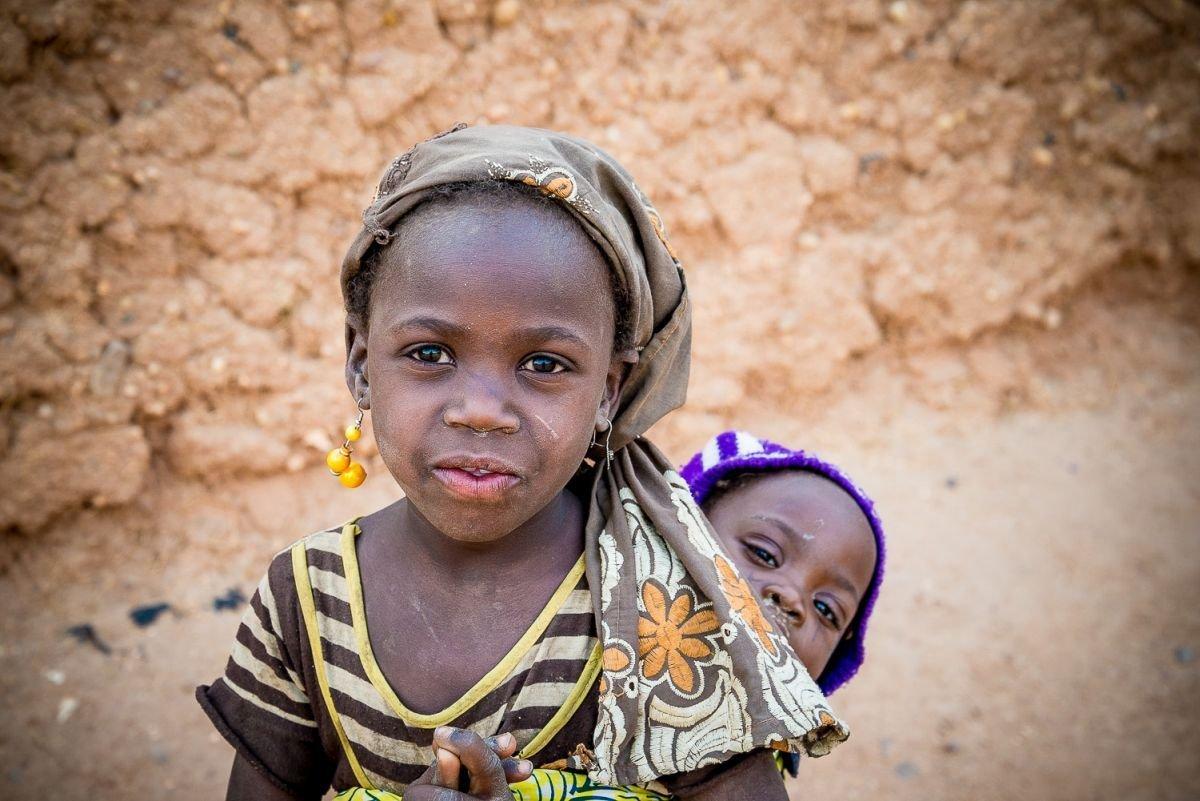
Title: ICRC Ceases Operations in Niger: A Growing Humanitarian Crisis
In a significant development for the humanitarian landscape in West Africa,the International Committee of the Red Cross (ICRC) has announced the cessation of its operations in Niger,a country already grappling with acute food insecurity,ongoing conflicts,and escalating humanitarian needs. This decision comes against a backdrop of increasing challenges faced by international organizations, including heightened security risks and complex political dynamics. As the ICRC steps back, concerns mount over the implications for thousands of vulnerable individuals reliant on its services, including access to medical care, food assistance, and support for those affected by violence.The move raises urgent questions about the future of humanitarian aid in Niger and the broader impact on regional stability as the country confronts a dire humanitarian crisis exacerbated by socio-economic instability and armed conflicts.
Impact of ICRC’s Withdrawal on Humanitarian Efforts in Niger
The withdrawal of the International Committee of the Red Cross (ICRC) from Niger marks a significant turning point in the country’s humanitarian landscape, as the organization has been a pivotal actor in addressing the needs of vulnerable populations. The cessation of ICRC operations raises serious concerns about the immediate humanitarian crisis, particularly in regions already strained by conflict, food insecurity, and displacement. With the ICRC’s commitment to providing medical services, water and sanitation projects, and support for conflict-affected communities, the loss of their presence could lead to:
- Increased healthcare challenges: A sudden gap in medical assistance may worsen the health outcomes for the most affected populations.
- Water scarcity: Many communities rely on ICRC for water purification and distribution, which are now at risk.
- Heightened vulnerability: Displaced individuals and families may find themselves without essential support, leading to increased reliance on local resources.
Moreover, the vacuum left by the ICRC could propel other organizations to fill the gap, but this transition may not be seamless. Humanitarians on the ground might struggle with the limited capacity and shifting priorities of different entities stepping in. The long-term implications could include:
- Funding shortfalls: New actors may face challenges securing adequate resources to maintain programs.
- Coordination issues: A lack of established protocols and collaborative frameworks may hinder effective response.
- Population distrust: Communities accustomed to ICRC’s standardized approach may resist unfamiliar organizations.
Challenges Faced by Local Organizations in the Absence of ICRC Support
The cessation of operations by the International Committee of the Red Cross (ICRC) in Niger has left a significant void that local organizations are struggling to fill. As humanitarian needs surge amidst ongoing conflicts and crises, these organizations face a myriad of challenges that hamper their capabilities. In the absence of ICRC support, local entities must grapple with limited resources, including financial constraints, lack of essential supplies, and insufficient logistical support, hindering their outreach to affected populations. Furthermore, the complexity of navigating local governance and securing safety for their personnel has become increasingly daunting.
The impact of this operational gap is evident in several key areas:
- Resource Allocation: Local organizations are frequently enough underfunded, leading to inadequate response strategies.
- Training and Capacity Building: A lack of access to international best practices leaves volunteers ill-prepared for urgent humanitarian response.
- Community Trust: The absence of recognized international support can reduce community confidence in local initiatives.
Moreover,many local organizations are now assessing their collaboration frameworks and exploring new partnership opportunities to address these pressing challenges. The need for a coordinated response is more critical than ever, as the struggle for survival in Niger continues to escalate.
| Challenge | Impact |
|---|---|
| Financial Constraints | Inability to purchase necessary supplies |
| Logistical Hurdles | Delayed assistance to communities |
| Lack of Training | Reduced effectiveness in crisis interventions |
Recommendations for Strengthening Humanitarian Response in Niger
The humanitarian landscape in Niger has been increasingly intricate, particularly considering the cessation of operations by the ICRC. To ensure a robust and effective humanitarian response, it is indeed essential to foster collaboration among local and international partners. Building partnerships with local NGOs can harness community knowledge, while engaging multiple stakeholders-including government, private sectors, and international organizations-will facilitate resource-sharing and information exchange. Regular training workshops can be organized to enhance the capacity of local responders, ensuring that they’re equipped to manage crisis situations effectively.
Furthermore, leveraging technology for effective communication and logistics management can greatly improve response times.Utilizing data analytics tools can assist in understanding the complex needs of affected populations, thereby allowing for a more tailored approach to aid distribution. Establishing secure pathways for humanitarian access can protect both workers and beneficiaries in volatile regions. continuous monitoring and evaluation mechanisms should be implemented to assess the impact of interventions and make necessary adjustments, ensuring that humanitarian efforts are both relevant and effective.
| Recommendation | Purpose |
|---|---|
| Build Local Partnerships | Enhance community knowledge and resource sharing |
| Engage Multiple Stakeholders | Facilitate cooperation and unified efforts |
| Leverage Technology | Improve communication and logistics |
| Ensure Secure Access | Protect aid workers and beneficiaries |
| Implement Monitoring Mechanisms | Assess impact and guide necessary adjustments |
Concluding Remarks
the International Committee of the Red Cross’s decision to cease operations in Niger marks a significant turning point for humanitarian efforts in the region. This withdrawal is not just a logistical challenge, but also a testament to the increasing complexities and dangers faced by aid organizations operating in conflict zones.As the humanitarian situation in Niger continues to evolve, the absence of ICRC’s vital support raises concerns about the future well-being of millions who rely on such assistance. The international community must now step up to fill the gaps left by the ICRC, ensuring that the needs of the most vulnerable are addressed amidst ongoing crises. The hope remains that renewed dialog and efforts can eventually pave the way for more stable conditions, allowing aid organizations to return and deliver the lifesaving support that is desperately needed.










