
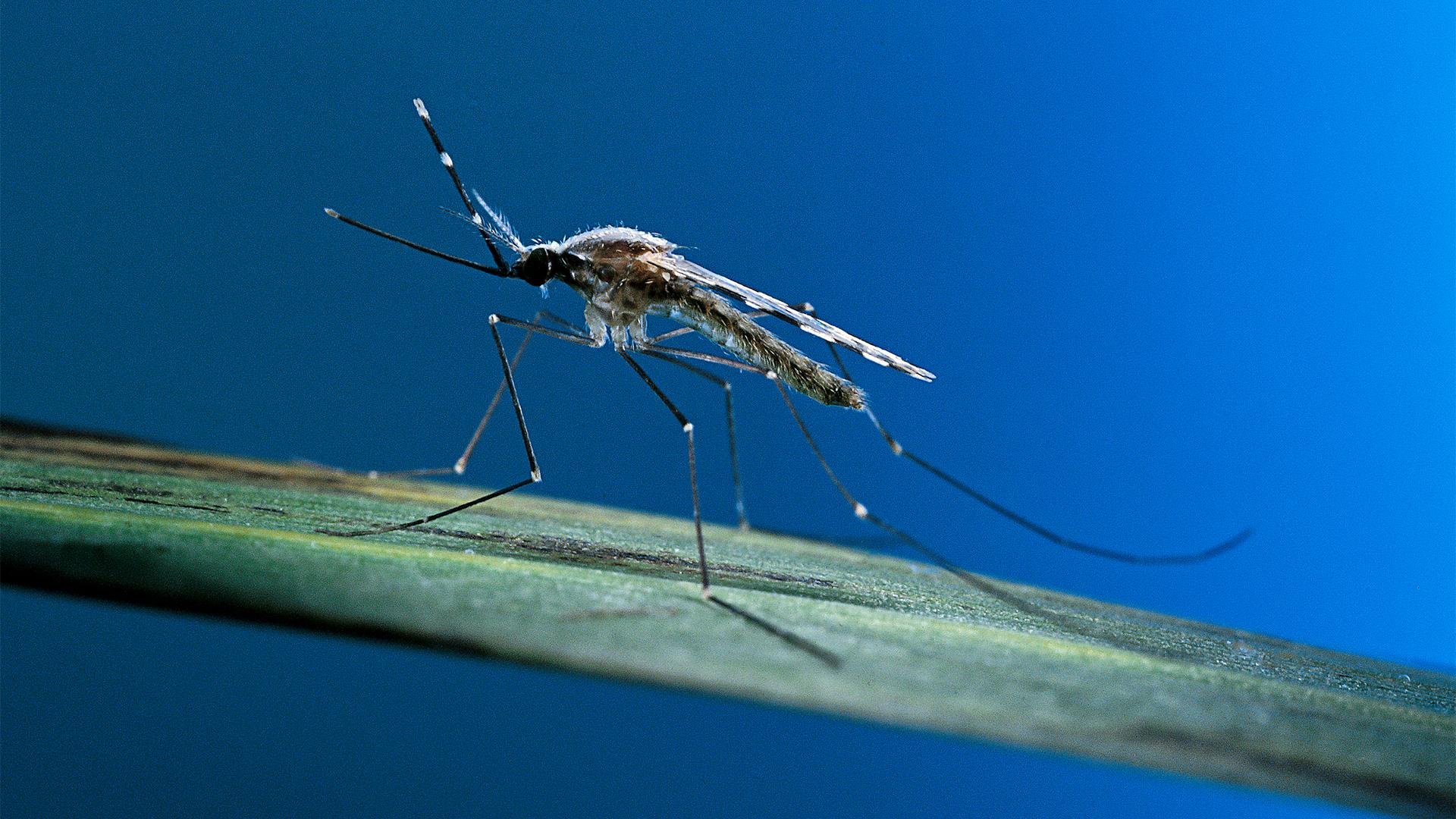
Title: Understanding the Malaria Surge in Southern Africa: An Urgent Call to Action from Africa CDC
In recent months, Southern Africa has witnessed a troubling resurgence of malaria cases, prompting urgent concern from public health officials and organizations, especially the Africa Centers for Disease Control and Prevention (Africa CDC). While advances in malaria prevention and treatment have significantly reduced the disease’s burden over the past decades, the current surge poses a critical challenge to these hard-won gains. Factors such as climate change, increased mosquito breeding due to changing weather patterns, and disruptions related to the COVID-19 pandemic have contributed to the alarming trend, compelling health authorities to reassess their strategies in combating this preventable yet deadly disease. As health systems strain under the increasing caseload, the Africa CDC emphasizes the need for immediate and collective action to halt the spread of malaria, safeguard vulnerable populations, and ultimately protect the future of public health across the region. This article explores the scope of the malaria surge, its underlying causes, and the imperative response strategies needed to address this escalating public health crisis.
Malaria Resurgence in Southern Africa Prompts Urgent Response from Africa CDC
The resurgence of malaria in Southern Africa has raised alarms among health officials and prompted swift action from the Africa CDC. With an increase in reported cases, particularly in vulnerable populations, health authorities are urged to mobilize resources and revisit strategies for malaria prevention and treatment. The Africa CDC emphasizes the importance of early intervention, as delays could exacerbate the situation, especially with seasonal factors influencing malaria transmission and spread. Key actions being implemented include:
- Enhanced Surveillance: Strengthening data collection and sharing among affected regions to ensure timely responses.
- Community Engagement: Initiatives aimed at raising awareness about prevention methods, such as the use of insecticide-treated nets and indoor spraying.
- Healthcare Capacity Building: Training healthcare workers on diagnosis and treatment protocols to improve patient outcomes.
Moreover, the Africa CDC is collaborating with local governments and international partners to ensure the availability of essential medical supplies. Specific measures include:
| Item | Quantity Required | Purpose |
|---|---|---|
| Antimalarial Medications | 2 million doses | Treatment of infected individuals |
| Insecticide-treated Nets | 5 million units | Preventive measure for at-risk populations |
| Testing Kits | 500,000 kits | Rapid diagnosis in remote areas |
With the spotlight on malaria resurgence, the Africa CDC’s proactive stance aims to curtail the disease’s spread and ultimately save lives.Collaboration across borders and sectors remains crucial to combat this public health challenge effectively.
Key Factors Driving the Malaria Surge and Impact on Public Health Systems
The recent surge in malaria cases in Southern Africa can be attributed to several interconnected factors that exacerbate the transmission of this deadly disease. Among these, climate change plays a pivotal role, with rising temperatures and erratic rainfall patterns creating favorable breeding conditions for Anopheles mosquitoes.Additionally, increased human mobility due to urbanization and migration contributes to the rapid spread of malaria across regions that were once less affected. Public health systems are further strained by resource limitations,leading to inadequate surveillance,prevention,and treatment options. This nexus of environmental and socio-economic challenges fuels an habitat where malaria thrives.
Furthermore, the impact on public health systems is profound. The rise in malaria cases not only overwhelms healthcare facilities but also diverts resources from other critical health services, compromising overall health outcomes. As malaria resurgence strains disease management practices, communities experience higher morbidity and mortality rates, particularly among vulnerable populations such as children and pregnant women. This deterioration in public health creates a cycle of poverty and ill health, making it imperative for governments and international organizations to bolster health infrastructure and implement robust malaria control measures. Below is a summary of the factors influencing malaria resurgence:
| Factor | Impact on Malaria |
|---|---|
| Climate Change | Increased breeding grounds for mosquitoes |
| Human Mobility | Rapid transmission across borders |
| Resource Limitations | Inadequate prevention and treatment efforts |
| Disease Management Practices | Strain on healthcare systems and services |
Strategies for Combating Malaria: Recommendations from Africa CDC for Regional Stakeholders
In response to the recent rise in malaria cases across Southern Africa, the Africa CDC has outlined a series of strategic recommendations aimed at fortifying existing efforts and enhancing regional collaboration. Key measures include:
- Strengthening Surveillance Systems: Implement robust data collection and analysis frameworks to monitor malaria incidence and prevalence effectively.
- Community Engagement: Foster cooperation with local communities to promote preventive measures such as the use of insecticide-treated bed nets and indoor residual spraying.
- Capacity Building: Invest in training healthcare workers and enhancing laboratory capacities to facilitate timely diagnosis and treatment.
- Research and Innovation: Support initiatives focused on developing new tools and therapies, particularly in vaccine research and vector control technologies.
Additionally,regional stakeholders are urged to prioritize policy coherence and resource allocation to ensure a coordinated malaria response. Establishing public-private partnerships is essential for maximizing funding and leveraging expertise. A collaborative approach can be seen in the proposed regional malaria fund,which aims to pool resources for comprehensive intervention strategies. The establishment of a Malaria Task Force across member states could enhance coordination and leverage resources, ensuring that the fight against malaria is sustained and effective.
| Strategy | Expected Outcome |
|---|---|
| Enhanced Surveillance | Real-time insights into malaria trends |
| Community Mobilization | Increased adoption of preventive measures |
| Healthcare Training | Improved diagnostic and treatment efficacy |
| Research Collaboration | Innovative solutions to combat malaria |
Closing Remarks
As the surge of malaria cases continues to pose a significant public health challenge in Southern Africa, the Africa Centers for Disease Control and Prevention (Africa CDC) emphasizes the urgent need for renewed focus and coordinated response efforts across the region. With rising temperatures, increased rainfall, and shifts in vector habitats contributing to the outbreak, rapid intervention is crucial in mitigating further impacts on vulnerable populations.The collective action of governments, health organizations, and communities is imperative to enhance prevention strategies, bolster treatment accessibility, and ensure effective surveillance systems are in place. As the fight against malaria intensifies, it is essential for stakeholders to unite and mobilize resources to protect the health and livelihoods of millions. Continued vigilance and investment in research,education,and public health infrastructure will be vital in turning the tide against this age-old disease and securing a healthier future for Southern Africa.










