
UN’s Support for Morocco’s Autonomy Proposal: A New Chapter in the Sahara Dispute
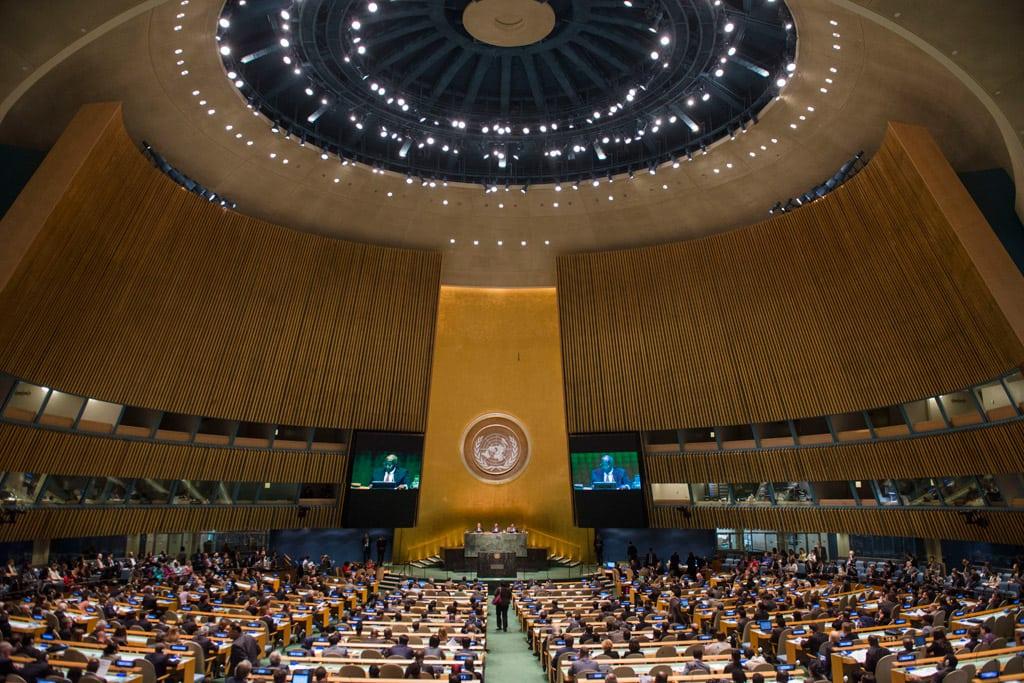
In a significant development that could reshape the enduring Sahara dispute, the United Nations has formally endorsed Morocco’s Autonomy Proposal for Western Sahara. This pivotal decision marks a critical moment in the region, as UN backing lends credibility to Morocco’s self-governance initiative while aiming to address the aspirations of the Sahrawi people. The endorsement not only signals a shift towards a negotiated settlement by global actors but also underscores the necessity of regional stability in North Africa. As diplomatic efforts gain traction, this event holds substantial implications for local communities, neighboring countries, and international stakeholders alike-ushering in a new phase in Western Sahara’s intricate history. This article explores the details of this UN endorsement, key components of Morocco’s Autonomy Proposal, and its potential impact on peace and governance within the area.
Significance of UN Endorsement on Morocco’s Autonomy Plan
The recent support from the United Nations for Morocco’s autonomy initiative represents an important milestone in addressing long-standing sovereignty issues related to Western Sahara. This endorsement signifies an international recognition of Morocco’s approach while fostering engagement among various parties involved in this conflict. The consequences are broad-ranging and complex-affecting regional stability, diplomatic relations, and fulfilling Sahrawi aspirations.
- Boosted International Legitimacy: The UN’s approval enhances legitimacy for Morocco’s proposal and may lead to wider acceptance among member states.
- Renewed Diplomatic Engagement: It opens pathways for revitalized discussions between Moroccan officials and representatives from Polisario Front.
- Economic Opportunities: Stability resulting from this endorsement could draw increased investments and promote development initiatives within Western Sahara.
- Status of Refugees: It may influence future prospects for Sahrawi refugees living in neighboring nations.
This endorsement is poised to reshape alliances both regionally and globally as countries reassess their positions regarding both Moroccan authority and Polisario Front dynamics. Nations historically sympathetic to Sahrawi independence might feel pressured to reconsider their stances following this significant shift by the UN. Such evolving geopolitical landscapes raise essential questions about autonomy rights for Sahrawis who have long sought acknowledgment-a simplified overview can be found below:
| Nations Involved | Their Position on Conflict | Plausible Outcomes | |
|---|---|---|---|
| Morocco | Acknowledges Autonomy Initiative | Sustained claims over territorial integrity | |
| Algeria | Acknowledges Polisario Front | Diplomatic tensions may rise |
Navigating Towards Constructive Dialogue: Opportunities Ahead
The UN’s support for Morocco’s plan creates essential avenues for constructive dialogue among all parties involved in resolving conflicts related to Western Sahara. This crucial moment not only affirms Moroccan intentions toward peaceful resolutions but also encourages active participation from all relevant stakeholders seeking common ground through diplomacy. Key factors that should be prioritized during these discussions include:
- Inclusivity : Ensuring representation from all relevant groups so diverse perspectives are acknowledged .
- Transparency : Creating open communication pathways fosters trust among parties .
- Mutual Respect : Recognizing each party ‘s viewpoints is essential .
A comparative analysis highlighting potential outcomes based on prioritizing dialogue versus ongoing conflicts can provide further insight into possible futures; see below table outlining contrasting scenarios:
Scenario Positive Outcomes Negative Outcomes Pursued Dialogue   Increased collaboration leading towards regional stability   Possibility slow progress   Continued Conflicts   Escalation tensions across regions   Deteriorating humanitarian conditions   Cultivating an environment conducive to dialogue not only lays groundwork necessary towards resolutions but also establishes frameworks where future generations can thrive peacefully together moving forward . This historic moment invites nations worldwide unite efforts addressing longstanding issues with empathy diplomacy at forefront .
Global Responses: Evaluating Reactions Following Landmark Governance Shift Over The Region Of Sahara
The recent backing extended by United Nations towards Moroccan autonomy initiative has elicited varied responses globally reflecting complexities surrounding ongoing disputes over territory control within sahara region.
On larger scale , international organizations alongside human rights advocates remain divided regarding implications arising out such endorsements ; some criticize sidelining saharawi independence struggle while others promote pragmatic solutions offered through moroccan proposals amidst concerns lingering violations occurring western sahara prompting calls continued monitoring dialogues ensuring accountability moving forward.
Regional powers exhibit mixed responses ranging from outright condemnation (as seen with Algeria & ; polisario front ) denouncing perceived undermining principles self-determination , whereas allies like Saudi Arabia & ; UAE welcome stance viewing it stabilizing factor.
This divergence illustrates intricate political dynamics shifting throughout northwestern corridor Africa.<>>>>>< / th >< th ><>>>< / th >< tr > </& gt ;Morocco< / td >< td ></& gt ;Celebration territorial integrity< / dt >/ tr >/ tbody >/ table /> Concluding Thoughts: Is Lasting Peace Within Reach?
In conclusion , recent developments surrounding un endorsing moroccan autonomy plan signify monumental milestone amidst ongoing struggles faced throughout saharan territories today . Not only does reaffirmation strengthen claims made regarding territorial integrity but simultaneously sets stage renewed dialogues fostering potential peace agreements previously elusive due discord present day realities affecting lives individuals living there now more than ever before ! As global observers keenly monitor how these changes influence diplomatic efforts impacting everyday citizens’ lives across regions affected , hope emerges glimmeringly suggesting possibility lasting reconciliations achievable if collaborative approaches taken seriously going forth .
Unlocking Tomorrow: H.E. Ambassador Duarte Lopes Shares Visionary Insights on Europe, North Africa, and the Mediterranean
During a recent event hosted by the Stimson Center, participants delved into a captivating discussion about the evolving relationships between...
Read moreDetails









