
In a decisive move towards a sustainable future, Morocco’s 2026 Finance Bill sets the stage for an ambitious energy transition, placing a strong emphasis on renewable energy sources. As the North African country seeks to reduce its carbon footprint and enhance energy security, government officials have outlined a comprehensive strategy to harness solar, wind, and hydroelectric power. This initiative not only aligns with Morocco’s commitments to international climate agreements but also aims to attract investment and create job opportunities within the burgeoning green sector. In this article, we will explore the key components of the Finance Bill, the expected impact on Morocco’s energy landscape, and the broader implications for economic growth and environmental stewardship.
Morocco’s Strategic Investment in Renewable Energy Initiatives under the 2026 Finance Bill
Morocco is poised to significantly bolster its renewable energy landscape through strategic provisions outlined in the 2026 Finance Bill. This legislative framework is designed to bolster investments in various renewable sectors, particularly solar, wind, and hydroelectric energy. A substantial portion of the allocated budget will be directed towards enhancing infrastructure and technology, fostering an environment ripe for innovation and growth. The government’s commitment is reflected in its ambitious targets, aiming to generate 52% of its energy from renewable sources by 2030. Key areas of focus include:
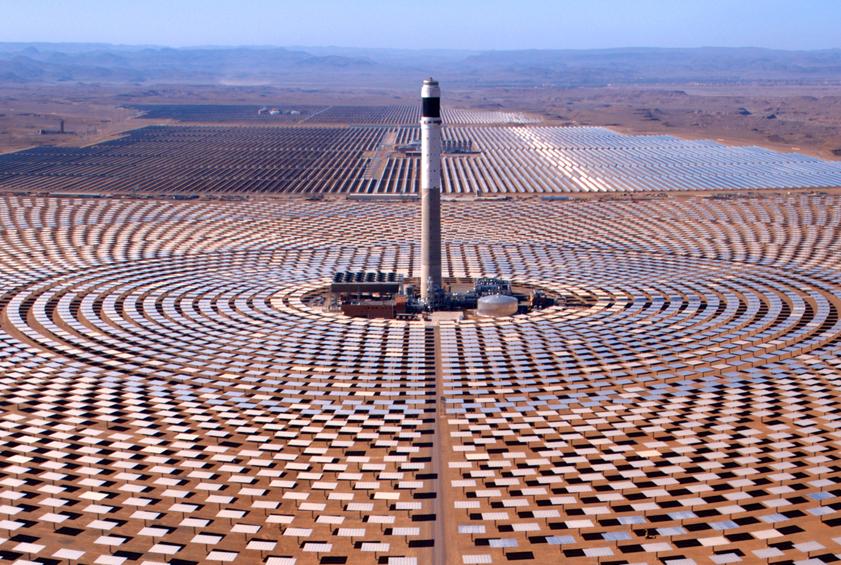
- Enhancing Solar Power Capacity: Building on existing solar parks to introduce newer technologies and increase output.
- Expanding Wind Energy: Establishing additional wind farms along the coastal regions to harness offshore winds.
- Hydroelectric Projects: Upgrading current facilities and exploring new sites to maximize water resources for energy generation.
In addition to bolstering renewable energy production, the Finance Bill emphasizes fostering public-private partnerships, attracting foreign investment, and encouraging local enterprises to engage in green initiatives. Proposed tax incentives and grants will stimulate research and development in sustainable technologies, creating job opportunities and boosting local economies. Furthermore, Morocco is positioning itself as a global hub for renewable energy innovation, aiming to export its expertise and technologies across Africa and beyond. A comparative outlook illustrates the expected progress in energy generation:
| Year | Renewable Energy Output (GWh) | Percentage of Total Energy Supply |
|---|---|---|
| 2023 | 12,000 | 37% |
| 2026 | 18,000 | 45% |
| 2030 | 25,000 | 52% |
Key Implications of the Finance Bill for Sustainable Development and Economic Growth
The 2026 Finance Bill introduced by Morocco represents a significant turning point in the nation’s approach to sustainable development. By embedding renewable energy initiatives at the heart of its economic strategy, the Bill outlines a framework that prioritizes both environmental sustainability and economic growth. Key aspects include:
- Increased Investment in Renewable Energy: The Bill allocates substantial funding for solar and wind energy projects, enhancing the country’s energy independence and reducing reliance on fossil fuels.
- Incentives for Green Businesses: Tax breaks and subsidies are aimed at encouraging local and foreign investments in green technologies and sustainable practices.
- Job Creation: The transition to renewable energy is expected to create thousands of jobs in both construction and maintenance sectors, promoting economic stability.
- Community Empowerment: Initiatives include programs that support local communities in adopting renewable energy solutions, fostering inclusive growth.
Moreover, the Finance Bill ensures that Morocco’s energy transition is not only economically viable but also socially equitable. An emphasis on public-private partnerships seeks to leverage private sector innovation while ensuring that benefits are widely distributed. This approach is enhanced by:
- Education and Training Programs: Partnerships with educational institutions aim to equip the workforce with skills needed for the green economy.
- Sustainable Infrastructure Development: Investments in smart grids and energy-efficient public transport systems are integrated to support urban development.
- Monitoring and Accountability Mechanisms: Establishing clear metrics for progress will ensure that both economic growth and environmental objectives are met.
Recommendations for Stakeholders to Enhance the Transition to Clean Energy in Morocco
As Morocco moves forward with its ambitious agenda to transition to clean energy, it is essential for stakeholders to take active measures to facilitate this transformation. Governments, private investors, and community organizations should collaborate closely to develop strategic frameworks that align with Morocco’s renewable energy goals. This partnership can enable the sharing of resources and expertise, which is critical for addressing both infrastructural and financial challenges. Furthermore, stakeholders are advised to invest in educational initiatives to enhance public awareness about the benefits of clean energy, cultivating a culture of sustainability among citizens.
To ensure the efficacy of cleaner energy solutions and optimize financial outcomes, it is vital to prioritizing innovation in technology and investment models. Stakeholders should consider implementing incentive programs for businesses and individuals who adopt renewable energy solutions, such as tax breaks or grants. Engaging local communities through incentives not only encourages participation but also builds a supportive ecosystem for renewable projects. Below is a table outlining potential action areas for stakeholders:
| Action Area | Details |
|---|---|
| Collaborative Partnerships | Engage various sectors to align efforts and resources towards common renewable goals. |
| Public Awareness Campaigns | Launch initiatives that educate citizens about the advantages of transitioning to clean energy. |
| Investment Incentives | Provide financial benefits to encourage adoption of renewable technologies by businesses and homeowners. |
| Innovation in Technology | Promote research and development in clean energy technologies to improve efficiency and accessibility. |
The Way Forward
In conclusion, Morocco’s 2026 Finance Bill marks a significant step forward in the nation’s commitment to sustainable development and energy transition. By prioritizing renewable energy investments and fostering a regulatory framework conducive to innovation, the bill not only aims to reduce the country’s carbon footprint but also positions Morocco as a leader in the global shift towards green energy. The financial provisions outlined signal an ambitious vision for the future, one that harmonizes economic growth with environmental stewardship. As the world increasingly leans towards renewable sources to mitigate climate change, Morocco’s proactive approach sets a compelling precedent for other nations to follow. Observers will be keen to monitor the implementation of these initiatives and their broader impact on both the economy and the environment in the years to come.










