
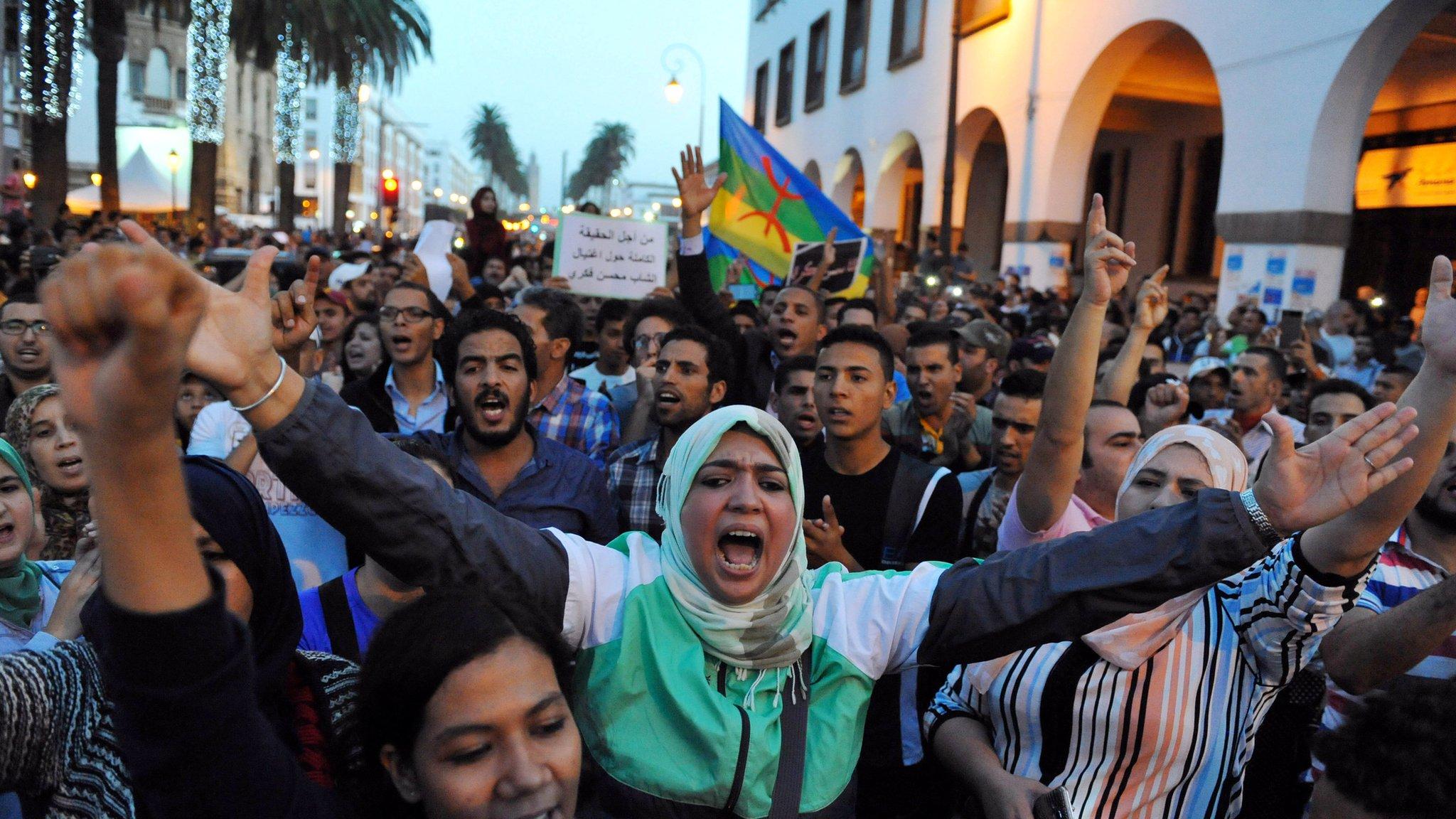
In a significant display of dissent, thousands of moroccans gathered on the streets to protest against a ship reportedly carrying parts for U.S. fighter jets destined for Israel. The exhibition, sparked by concerns over military support to Israel amid ongoing regional tensions, underscores the contentious nature of international arms trade and its implications for local and global geopolitics. Participants expressed their outrage not only at the potential military collaboration but also at the broader ramifications for Palestinian rights and the stability of the Middle East. As the ship made its way towards the Israeli port, voices from Morocco resonated with calls for peace and solidarity, raising critical questions about the role of foreign military assistance in exacerbating conflicts and the growing unease within the Moroccan populace regarding its government’s foreign policy decisions. This article explores the motivations behind the protest, the context of the ship’s voyage, and the implications for Morocco’s position in the ongoing geopolitical landscape.
Moroccan Activism Against Alleged Military Supply Chain to Israel
in a show of solidarity and conviction, hundreds of Moroccans gathered at the port of Casablanca to voice their opposition to the arrival of a cargo ship believed to be transporting military parts, especially components for U.S. fighter jets,destined for Israel. The demonstrators expressed their discontent over Morocco’s alleged involvement in the military supply chain that supports Israel’s ongoing military operations in Palestine. The protest was marked by slogans and banners urging an end to complicity in what many see as an unjust conflict. activists emphasized the need for Morocco to prioritize peace and justice over military partnerships.
The protests highlighted the divisive nature of international military trade and its effects on local communities. Many activists called for increased openness regarding Morocco’s military dealings, asserting that the public has a right to know how the government is aligning itself on such critical issues. As tensions in the region remain high, the need for dialog and accountability has become more pressing. Key demands from protestors included:
- Abolition of military agreements that conflict with Moroccan values.
- Increased government transparency regarding arms trade.
- Support for peaceful resolutions in the Israel-Palestine conflict.
Implications of the Protests on Moroccan Foreign Policy and Regional Relations
The recent protests in morocco against a ship suspected of transporting US fighter jet parts to Israel have spotlighted the intricate dynamics of the Kingdom’s foreign policy. Thes demonstrations reflect not only a growing public discontent regarding Morocco’s diplomatic ties with Israel but also a broader regional unease. The Moroccan government is now faced with the challenge of balancing its strategic partnerships, particularly with the United States, while addressing the domestic pressure from citizens who view cooperation with Israel through the lens of the Palestinian struggle. Such tensions could compel moroccan leaders to reassess their diplomatic stances, aiming to reinforce national unity against foreign policies perceived as unpopular.
Moreover, the protests serve as a catalyst for potential shifts in Morocco’s relations with neighboring countries. The public outcry may prompt other North African nations to reconsider their own alliances and positions regarding Israel and the US,which could lead to a regional recalibration of diplomatic strategies. As Morocco seeks to navigate these turbulent waters, considerations may include:
- Increasing Diplomatic Engagement: Strengthening ties with Arab nations that oppose normalization with Israel.
- Enhancing Regional Solidarity: Coordinating with other nations to advocate for Palestinian rights.
- Adapting Economic policies: Ensuring that economic agreements reflect public sentiment.
This evolving scenario underscores the delicate balance Morocco must maintain—one that accommodates both international partnerships and domestic sentiments, which could redefine its role within the broader Arab and African geopolitical landscape.
recommendations for Strengthening Civil Society Engagement in Global Defense Issues
To enhance civil society engagement concerning global defense issues, it is critical to foster inclusive dialogues between governments, non-governmental organizations, and local communities. Key strategies for achieving this involve:
- Transparency Initiatives: Governments shoudl commit to sharing facts about defense partnerships and related activities to build trust with civil society.
- Capacity Building: offering training programs and resources for civil society organizations can empower them to effectively monitor global defense activities and advocate for accountability.
- Inclusive Platforms: Establishing forums where diverse voices, particularly marginalized communities, can express their concerns and recommendations can create extensive approaches to defense issues.
- Coalition Building: Encouraging collaborations among various stakeholders, including academia, international organizations, and grassroots movements, helps amplify the collective impact.
Moreover, fostering a culture of stakeholder accountability is crucial in addressing the complexities of international defense collaborations. Civil society can play a pivotal role in scrutinizing defense contracts, arms trade, and military partnerships by deploying the following approaches:
| Approach | Description | Expected Outcome |
|---|---|---|
| Policy Advocacy | Engaging in advocacy efforts to influence defense policies at national and international levels. | Stricter regulations and oversight on arms deals. |
| Public Awareness Campaigns | Running campaigns to inform the public about defense issues and their implications. | Increased public pressure on policymakers to act ethically. |
| Research and Reporting | Conducting independent research on defense activities and publishing findings. | Enhanced knowledge base leading to informed debate and policy formulation. |
In Conclusion
the recent protests in Morocco highlight the growing unease surrounding international military shipments and their implications for regional stability. with demonstrators expressing their opposition to the transfer of suspected U.S. fighter jet parts to Israel,this incident underscores the complexities of geopolitics in North africa and the Middle East. as citizens voice their concerns over foreign military involvement and its impact on local sovereignty, it remains to be seen how the Moroccan government will respond to this public outcry. The situation exemplifies the intricate interplay between national sentiment, international relations, and ongoing conflicts, prompting a broader discussion on the roles and responsibilities of nations in fostering peace and security in tumultuous regions.As developments unfold, it will be crucial to monitor both the immediate and long-term repercussions of these protests on Morocco’s domestic and foreign policy landscapes.










