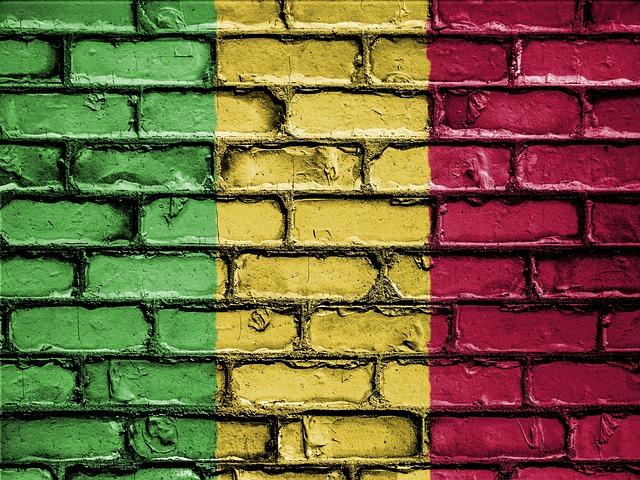
In a notable geopolitical development, Mali has recently expressed its support for Morocco’s contentious territorial claim over Western Sahara, joining a growing list of nations that have rallied behind Rabat’s ambitions in the region. This endorsement arrives amidst a backdrop of increased backing from the United States and various European countries, highlighting shifting alliances in North Africa and the evolving dynamics of international diplomacy. As tensions persist in the Western Sahara, a territory long claimed by both Morocco and the Sahrawi Arab Democratic Republic, the implications of Mali’s endorsement extend beyond mere regional politics, potentially influencing the broader discourse on self-determination and territorial integrity. This article explores the recent developments in Mali’s foreign policy, the ancient context of the Western Sahara dispute, and the significant effects of international support for Morocco’s stance.
Mali’s Support for Morocco’s Western Sahara Plan Signals Shifting Alliances in Africa
Mali’s endorsement of Morocco’s proposed autonomy plan for Western Sahara marks a significant moment in African geopolitics, reflecting the evolving dynamics among African states. This support emerges alongside growing backing from the United States and several European nations, suggesting a gradual but notable shift in the continent’s alliances. The statement from Mali’s government highlights the importance of regional stability and socio-economic development, aligning with Morocco’s vision of a negotiated settlement over the long-standing territorial dispute. Analysts suggest that Mali’s position not only reinforces Morocco’s stance but also indicates a potential reorientation in regional politics as nations seek to bolster collaborative efforts against common challenges.
This renewed alignment could lead to fresh diplomatic engagements and altered trade relationships across the African continent. By supporting morocco, Mali joins a coalition that sees the Sahara issue as pivotal for regional autonomy and security.Key points of interest in this context include:
- Strategic Partnerships: Nations may evaluate their alliances with a view to strengthening ties that promote national interests.
- Regional Security: A collaborative approach towards Western Sahara may contribute to enhanced stability against rising extremist threats.
- Economic Collaboration: Joint projects can emerge, enhancing trade networks and infrastructure across the region.
The developments signal that territorial disputes in Africa could shift from adversarial positions to a framework focused on diplomacy and mutual benefits, reinforcing the idea that economic pragmatism is becoming a central tenet of African international relations.
US and European Endorsements reshape the Future of Western Sahara
The recent endorsement of Morocco’s plan for Western Sahara by Mali marks a significant shift in the geopolitical landscape of the region. This support is part of a broader trend, as the united States and various European nations reinforce their recognition of Morocco’s sovereignty claims over the contested territory. as international support for Morocco grows, several nations are re-evaluating their positions, leading to a new era of diplomatic alignment in North Africa.
Key factors contributing to this surge in endorsements include:
- Strategic Partnerships: countries like Mali are recognizing the importance of aligning with Morocco for economic and security cooperation.
- Economic Benefits: increased foreign investment and development assistance from Morocco may incentivize regional allies to support its territorial claims.
- U.S.Influence: The Biden administration’s tacit approval of Moroccan sovereignty sends a strong message to other nations in the region, encouraging them to follow suit.
- European Consensus: Growing agreements among EU member states on recognizing Morocco’s autonomy plan reflects a united front that may further isolate separatist movements.
Strategic Implications of Regional Endorsements on Western Sahara’s Political Landscape
The recent endorsement of Morocco’s territorial claims over Western Sahara by Mali underscores a significant shift in regional dynamics, highlighting the increasingly cohesive support for Moroccan sovereignty amidst ongoing disputes.This backing is emblematic of a broader trend where african countries are aligning with Morocco’s viewpoint, which can be seen as a strategic move to consolidate influence across the African continent.With key endorsements from nations like Mali, the political landscape is evolving, indicating a potential realignment in the approach to sovereignty and territorial integrity within the region. Moreover, this support is resonating in the international arena, where both the United States and various European nations have shown increasing favor towards Morocco’s autonomy plan.
In the face of this growing solidarity, several strategic implications arise for the political future of the Western Sahara issue. Firstly,such endorsements may lead to a reinforcement of diplomatic ties among supporting countries,potentially fostering a unified political front that could reshape negotiations. Secondly,the backing of influential nations not only grants legitimacy to Morocco’s claims but also creates a web of alliances that could deter outside intervention or prolonged conflict. furthermore, this momentum may inspire other nations to reevaluate their positions on the matter, thus altering the previous paradigm of neutrality or opposition towards Moroccan claims. This evolving situation emphasizes the critical interplay between regional support and international diplomatic relations in resolving the contentious status of Western Sahara.
Wrapping Up
Mali’s endorsement of Morocco’s plan regarding the contentious Western Sahara territory reflects a significant shift in regional dynamics and diplomatic alliances. As international attention intensifies, with increasing backing from both the united States and European nations, this development could reshape future negotiations and political landscapes in North Africa. The position taken by Mali underlines the complexities of territorial disputes, as well as the ongoing struggle for sovereignty by the Sahrawi people. As the situation evolves, it will be pivotal to monitor how these alignments affect the peace process and the broader implications for stability in the region. Continued dialog and engagement among all stakeholders remain essential in pursuit of a just resolution to this longstanding conflict.