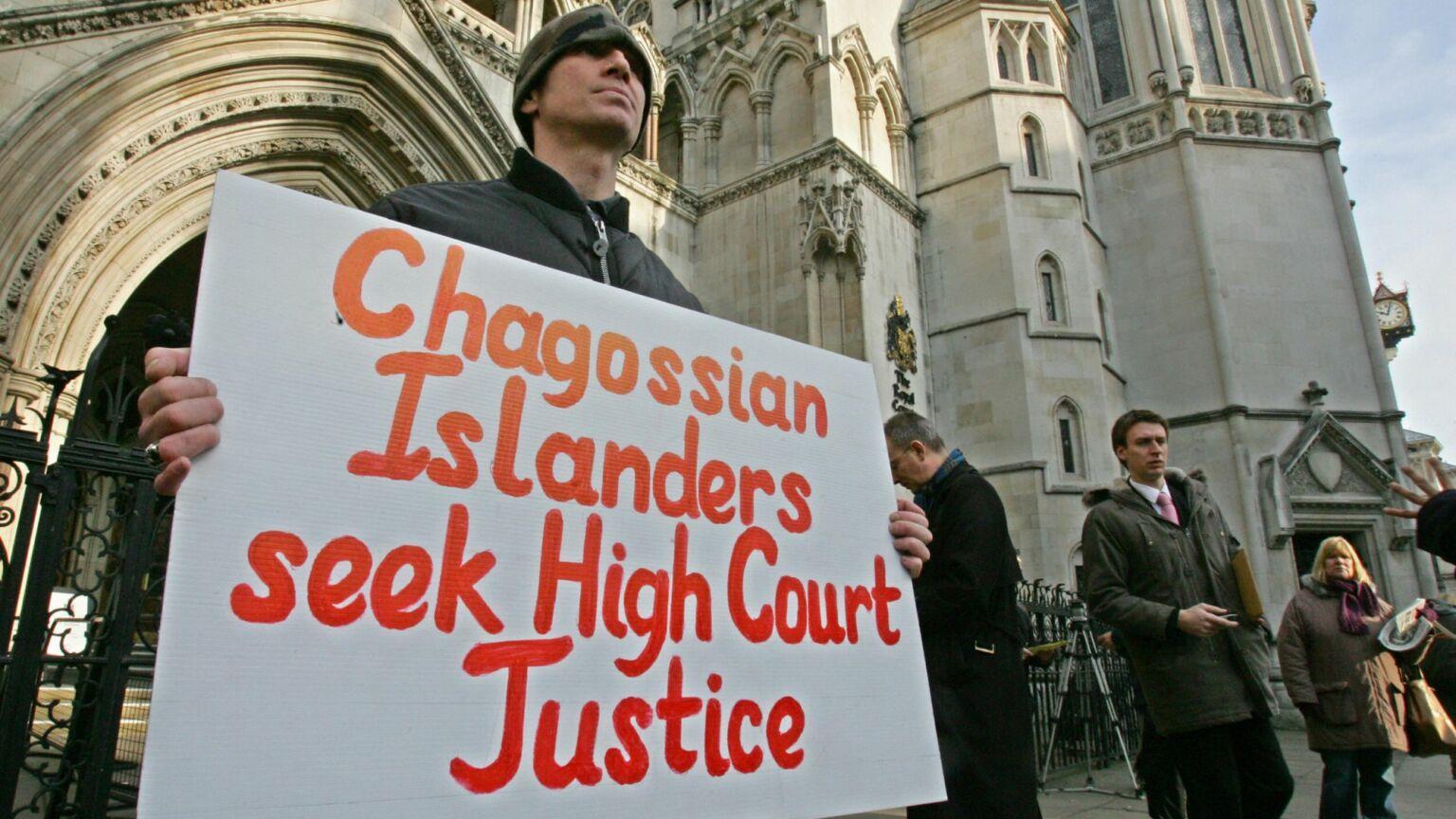
As discussions intensify around a controversial UK-Mauritius agreement regarding the future of the Chagos Archipelago, the voices of the Chagossian community are increasingly demanding to be heard.Decades after their forced removal from the islands,which now house a key U.S. military base, Chagossians are calling for a role in negotiations that could shape their homeland’s future. In light of renewed scrutiny over the deal-which seeks to address longstanding claims and historic grievances-this article delves into the perspectives of Chagossians, the implications of the agreement, and the broader geopolitical context that surrounds this sensitive issue.As the UK and Mauritius navigate complex legal and historical terrains, the question remains: will the Chagossian people finally have a say in the fate of their islands?
Chagossians Demand Inclusion in UK-Mauritius Negotiations Amid Renewed Legal Challenges
The Chagossian community is increasingly vocal about their desire to be included in the ongoing negotiations between the UK and Mauritius, notably as legal complexities surrounding their rights continue to unfold. With the backdrop of potential agreements regarding the future status of the British Indian Ocean Territory, Chagossians are demanding recognition of their historical grievances, which stem from their forced removal from the islands during the 1960s and 1970s. Advocates argue that any discussions involving the islands should incorporate Chagossian voices to ensure their perspectives and rights are adequately represented. Key points of contention include:
- Historical Justice: Acknowledgment of the injustices faced by the Chagossian people.
- Right to Return: A call for policies that allow Chagossians to return to their homeland.
- Compensation and Support: Demands for financial reparations and support for community initiatives.
As the legal challenges mount, including cases that seek to overturn past government decisions regarding the territory, the urgency for Chagossian inclusion in these negotiations has become more pronounced. Community leaders emphasize that any future agreements involving the islands must reflect a commitment to repairing the historical harm inflicted upon them and must involve consultations with Chagossian representatives. This ongoing struggle has revealed broader issues about colonial legacies and indigenous rights, positioning the Chagossians not just as a historical footnote but as active participants in contemporary discussions about sovereignty and self-determination.
| Key Issues | Current Status |
|---|---|
| Right to Return | Under legal review; no resolution yet. |
| Compensation | Discussions ongoing; demands being evaluated. |
| Recognition in Negotiations | Chagossian representatives seeking inclusion. |
Historical Context and Current Implications of Chagossians’ Displacement in Territorial Discussions
The displacement of the Chagossians,which began in the late 1960s and early 1970s,holds a complex historical narrative that markedly influences current geopolitical discussions between the UK and Mauritius. In 1965, the UK excised the Chagos Archipelago from Mauritius, facilitating the establishment of a military base on Diego Garcia without the consent of the indigenous population. Many Chagossians were forcibly removed, leading to widespread dislocation and diaspora. This historical disenfranchisement is not merely a relic of the past; it casts a long shadow over ongoing negotiations regarding the sovereignty and rightful ownership of these islands, as the Chagossians continue to seek recognition and restitution for their unlawful displacement.
Today, the implications of this tumultuous past are echoed in contemporary efforts to reassert Chagossians’ rights. Key points to consider include:
- International Law: The ongoing debates highlight potential violations of UN resolutions concerning decolonization and self-determination.
- Cultural Heritage: The rightful claiming of the islands is not just about territory; it encapsulates the restoration of cultural and community ties severed for decades.
- Political Pressure: Global human rights advocates are increasingly vocal about the need for rectifications, pressuring both governments to acknowledge the injustices faced by the Chagossians.
The further scrutiny following recent deals emphasizes the urgency for the Chagossians to have a seat at the table, as their voices hold meaning not only in historical reconciliation but also in shaping the future of the archipelago and its people.
Recommendations for Ensuring Chagossian Voices are Heard in Future Diplomatic Agreements
To promote the inclusion of Chagossian perspectives in future diplomatic discussions, stakeholders must prioritize a framework for active engagement. This can be achieved through several key measures:
- Establish regular dialog between Chagossian representatives and government officials to ensure ongoing communication and transparency.
- Create advisory panels that feature Chagossian community leaders, allowing them to contribute to policy formation relevant to their interests and heritage.
- Implement cultural awareness programs designed to educate diplomats about Chagossian history and the implications of past decisions on their rights and livelihoods.
Additionally, it is essential to formalize mechanisms that ensure Chagossian concerns are represented in any negotiation process. Consider the following strategies:
| Strategy | Objective |
|---|---|
| Participation in negotiations | Guarantee a seat at the table for Chagossian voices. |
| Regular feedback sessions | Allow Chagossians to review proposals and give feedback. |
| Partnership with NGOs | Collaborate with organizations that advocate for indigenous rights. |
By implementing these recommendations, future diplomatic agreements can better reflect the aspirations of the Chagossian community, ensuring their rights and voices are integral to discussions that affect their lives and lands.
In Summary
as the UK-Mauritius deal comes under renewed examination, the voices of the Chagossian community are echoing louder than ever. Their calls for recognition and agency in discussions surrounding their homeland are not only a matter of justice but also a reflection of broader themes of decolonization and the rights of displaced populations. As negotiations unfold, it is indeed imperative that the historical context and the aspirations of the Chagossians are given due consideration. Their fight for representation highlights the enduring impact of colonial legacy and the quest for reparative justice. As stakeholders navigate this complex issue, the outcome will serve as a critical test of the UK’s commitment to addressing past injustices and ensuring that all voices are heard in the decision-making process. As this story develops, it remains crucial for policymakers and the international community to engage with the Chagossians, fostering a dialogue that acknowledges their rights and aspirations for the future.