
Resurgence of Rift Valley Fever: An Urgent Response Needed in Senegal and Mauritania
The alarming resurgence of Rift Valley fever (RVF) has resulted in the tragic loss of 33 lives across Senegal and Mauritania, as reported by Anadolu Ajansı. This outbreak primarily affects livestock but poses serious threats to human health, underscoring the urgent need for improved public health measures and stringent monitoring in impacted regions. As health authorities tackle this escalating situation, it raises critical questions about preparedness and response strategies concerning zoonotic diseases in West Africa, highlighting their significant impact on communities and economies. This article delves into the current state of this outbreak, examining contributing factors and its implications for public health.
Effects of Rift Valley Fever on Senegalese and Mauritanian Populations
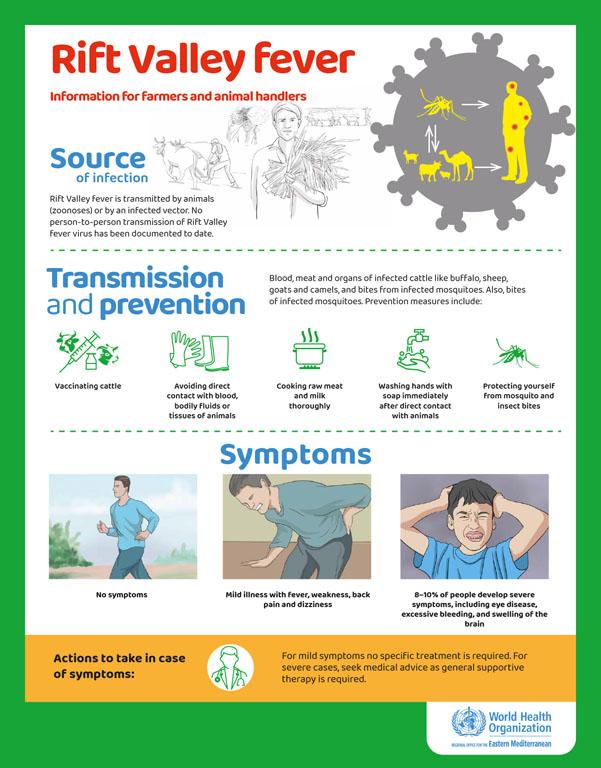
The recent RVF outbreak has sparked widespread alarm throughout Senegal and Mauritania due to its high mortality rate. With a total of 33 fatalities confirmed, farmers and pastoralists are particularly vulnerable as transmission occurs through mosquito bites or direct contact with infected animals. The necessity for public health interventions is clear as local officials advocate for enhanced community awareness initiatives aimed at preventing disease spread among both humans and livestock.
Health experts recommend that residents implement preventive measures such as avoiding contact with sick animals, donning protective gear when handling livestock, and promptly reporting any unusual animal deaths to veterinary authorities. A collaborative effort involving local communities alongside international health organizations is essential at this critical time; effective surveillance combined with rapid response can help contain further outbreaks. Below is an overview of current statistics related to this crisis:
| Country | Total Cases Reported | Total Deaths Recorded |
|---|---|---|
| Senegal | 125 cases | 20 deaths |
| Mauritania | 75 cases | 13 deaths |
Immediate Action Required to Avert Further Losses Amid Rising Fatalities
The ongoing RVF situation continues to escalate within both nations, prompting urgent calls from experts following 33 reported fatalities. Health authorities stress that immediate action is crucial not only to prevent additional losses but also to enhance monitoring systems effectively while mobilizing necessary resources against viral spread. This scenario highlights the pressing need for swift responses when confronted with emerging infectious diseases.
The following key actions should be prioritized:
- Adequate Strengthening of Public Health Systems:Create robust local healthcare facilities capable of managing RVF cases efficiently.
- Aim for Community Education Initiatives:Energize efforts focused on educating populations about prevention methods tailored specifically towards those most affected by RVF.
- Tackle Vector Control Measures:Pursue strategies aimed at reducing mosquito populations known carriers responsible for transmitting RVF.
- Pursuit of Vaccine Distribution:Simplify access pathways ensuring vaccines reach high-risk groups swiftly.
A structured approach necessitates collaboration among various stakeholders including government bodies alongside international organizations working together towards effective solutions against this outbreak’s challenges.
Here’s a summary table reflecting current statistics regarding fatalities from each country involved:
| Vaccination Phase | Infection Rate Pre-Vaccination | Infection Rate Post-Vaccination |
|---|---|---|
| Befor Campaign | >15% | – |
| >1 Month After Campaign | – | >5% |
| >3 Months After Campaign  Â
< td>– < td >>2%
|
By integrating comprehensive vaccination initiatives along with robust community awareness programs ,health authorities can fortify defenses against future outbreaks safeguarding both human animal populations from devastating impacts caused by diseases such as Rift Valley fever .
Final Thoughts on Addressing Current Crisis”
In conclusion ,the ongoing resurgence involving RIFT VALLEY FEVER leading up until now resulting tragically into thirty-three lives lost across SENEGAL MAURITANIA emphasizes urgent necessity enhancing PUBLIC HEALTH MEASURES DISEASE SURVEILLANCE throughout region .As crisis unfolds continuously ,it becomes imperative governments prioritize swift actions mitigating further spread protecting vulnerable groups involved .Collaborative partnerships between nations supported internationally will prove essential tackling persistent challenges posed arising from THIS OUTBREAK impacting livelihoods economic stability overall communities navigating aftermath must reflect lessons learned investing prevention strategies avoiding similar occurrences down road .
Unlocking Tomorrow: H.E. Ambassador Duarte Lopes Shares Visionary Insights on Europe, North Africa, and the Mediterranean
During a recent event hosted by the Stimson Center, participants delved into a captivating discussion about the evolving relationships between...
Read moreDetails











Unlocking Tomorrow: H.E. Ambassador Duarte Lopes Shares Visionary Insights on Europe, North Africa, and the Mediterranean
During a recent event hosted by the Stimson Center, participants delved into a captivating discussion about the evolving relationships between...
Read moreDetails