
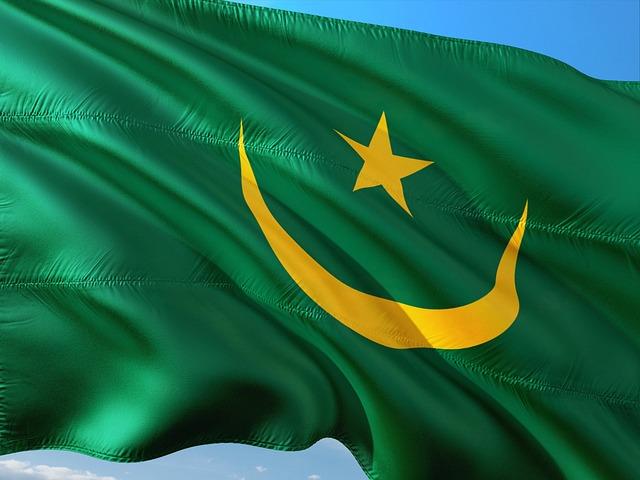
Mauritania: A Crucial Refuge for Displaced Communities Under UNHCR’s Guidance
In the heart of West Africa lies Mauritania, a nation characterized by its sprawling deserts, rich cultural tapestry, and important human rights challenges. Amidst its diverse landscapes,Mauritania has become a pivotal refuge for thousands affected by conflict,persecution,and environmental crises in the broader Sahel region. The United nations High Commissioner for Refugees (UNHCR) plays a vital role in this narrative, working tirelessly to address the pressing needs of refugees and internally displaced persons (IDPs) seeking safety and stability.This article delves into the current refugee situation in Mauritania, examining the UNHCR’s efforts to provide humanitarian assistance, bolster protection frameworks, and foster integration in a country hosting a complex mosaic of cultures and communities. Through an exploration of the challenges and successes faced by both the agency and the refugees themselves, we shine a light on the often-overlooked realities of displacement in Mauritania.
Understanding the refugee Crisis in Mauritania and the Role of UNHCR
the refugee crisis in Mauritania is a complex humanitarian emergency shaped by a confluence of factors, including regional conflicts, natural disasters, and socio-economic instability. Predominantly, Mauritania has become a destination for refugees fleeing violence and persecution from neighboring countries such as Mali and Western Sahara. The influx has placed immense pressure on the nation’s resources, resulting in escalating tensions between host communities and newcomers. UNHCR plays a crucial role in mitigating the impact of this crisis through its dedicated programs aimed at providing essential services and assistance to those in need.
UNHCR’s interventions in Mauritania include a multifaceted approach that focuses on immediate and long-term support. Key initiatives consist of:
- Providing shelter and protection to refugees, ensuring their safety and dignity.
- Facilitating access to healthcare and education, aiming to integrate refugees into local communities.
- Advocating for legal rights of refugees and working towards their inclusion in national systems.
- Coordinating with local governments and NGOs to enhance the livelihoods of both refugees and host populations.
This comprehensive strategy not only addresses the immediate needs of displaced individuals but also fosters resilience and stability within Mauritania, underscoring the enduring commitment of UNHCR to uphold the rights and welfare of refugees worldwide.
Challenges Faced by Refugees in Mauritania: A Closer Look at Living Conditions
The living conditions for refugees in Mauritania are fraught with challenges that significantly impact their quality of life. Detrimental factors include:
- Limited access to basic services: Many refugees find it challenging to obtain essential resources such as water, sanitation, and health care. In some areas, the availability of clean drinking water is critically low.
- Housing insecurity: Refugees often live in overcrowded and inadequate shelters, which are ill-equipped to protect them from the harsh desert climate.
- Insufficient livelihood opportunities: Job prospects are minimal, forcing many refugees to depend on humanitarian aid for survival.
- Social integration barriers: Cultural and linguistic differences can hinder refugees’ ability to connect with the local population, further isolating them.
Moreover, the psychological toll of displacement adds another layer of difficulty. Many refugees have experienced trauma related to conflict and violence in their home countries, which can impede their ability to adapt to new surroundings. Additional obstacles include:
- Limited educational opportunities: Refugee children often lack access to formal education, hampering their future prospects.
- Legal challenges: Unclear immigration statuses may prevent refugees from accessing certain rights or services within the host country.
- Health issues:** The prevalence of mental health disorders is exacerbated by the uncertain surroundings, further complicating integration efforts.
Strategic Recommendations for Improving Refugee Assistance in Mauritania
To enhance the framework surrounding refugee assistance in Mauritania, it is crucial to prioritize collaboration with local communities. Engaging local populations in the planning and execution of programs not only fosters a sense of ownership but also enhances cultural integration for refugees. This can be achieved through initiatives that promote awareness campaigns, bringing attention to the challenges faced by refugees while highlighting the benefits of diversity.Additionally, fostering partnerships with local NGOs and civil society organizations can improve service delivery and ensure that the needs of both refugees and host communities are adequately addressed.
Another vital recommendation is the expansion of vocational training and educational programs tailored for refugees. By equipping individuals with essential skills and knowledge, they can become self-sufficient and contribute positively to the local economy.Creating accessible pathways for higher education and job placement will fortify the resilience of refugee populations. Moreover, establishing mental health support services is imperative, as many refugees face psychological trauma. By integrating such services into existing healthcare frameworks, Mauritania can create a holistic approach to refugee assistance that not only addresses immediate needs but also fosters long-term stability and integration.
Concluding Remarks
Mauritania remains a pivotal player in the regional response to displacement and refugee challenges, influenced by its geographical location and socio-political landscape. The ongoing efforts by the UNHCR, alongside local and international partners, underscore the need for a comprehensive approach that addresses both the immediate humanitarian needs of refugees and the underlying factors that contribute to forced migration. As the situation continues to evolve, it is essential for the global community to support initiatives that promote the rights and well-being of displaced populations in Mauritania, ensuring that their voices are heard and their needs met. Through sustained collaboration and commitment, there is hope for a future where refugees can find safety, dignity, and opportunity in the country they now call home.










