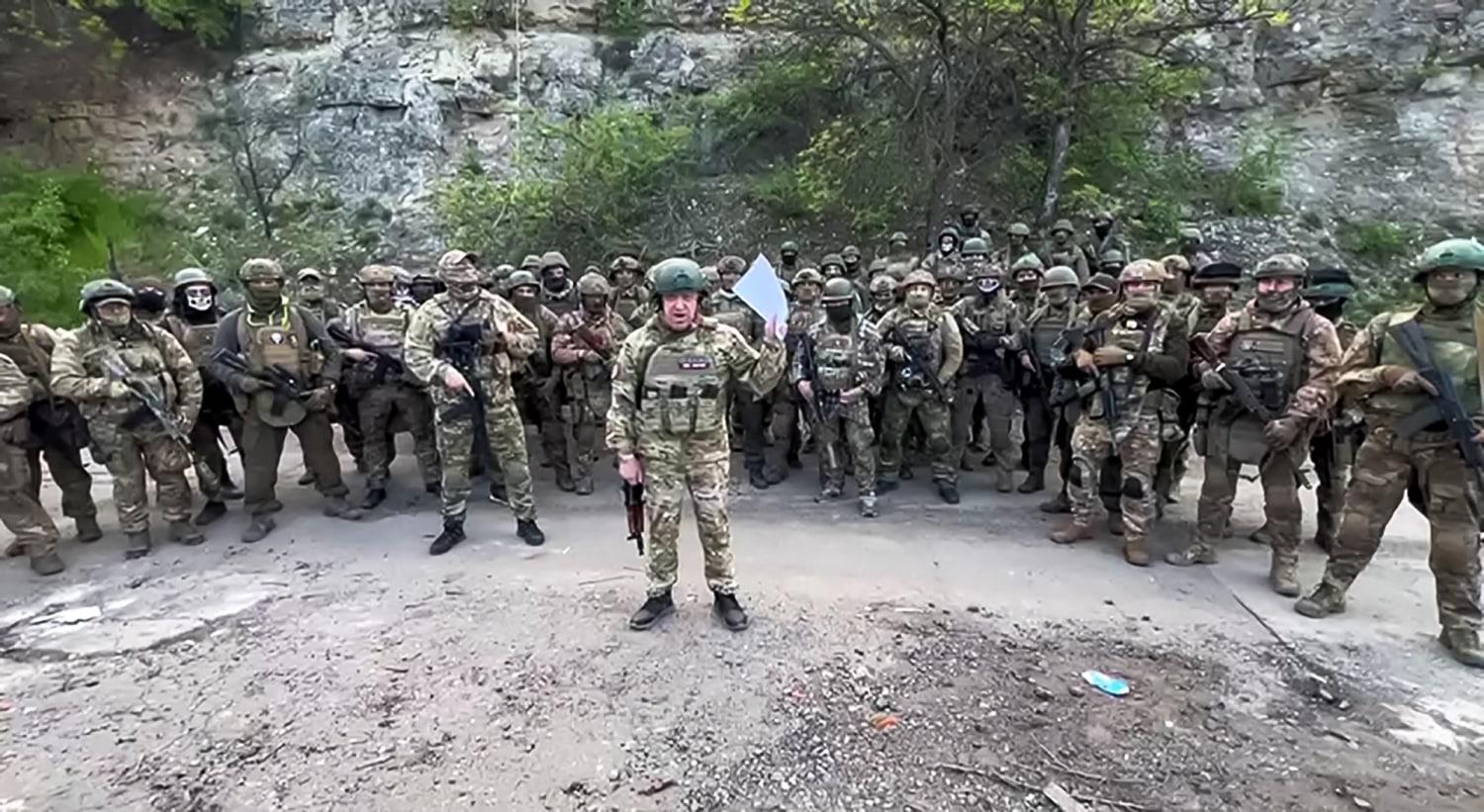
Wagner Group’s Departure from Mali: Implications for Security and Governance
In a significant turn of events in the realm of international security and geopolitical dynamics, the Wagner private military company has announced its exit from Mali, marking the end of its controversial role in this West African nation. This decision comes amidst ongoing debates regarding the impact of private military contractors on conflict zones and their influence on local governance systems. As Mali grapples with challenges such as insurgency and political instability, Wagner’s withdrawal raises critical questions about future security collaborations in the region as well as implications for Malian sovereignty and international relations. This article delves into the circumstances surrounding Wagner’s departure, its activities during its time in Mali, and broader ramifications for Africa’s security landscape.
Wagner Group Withdrawal: Emerging Regional Security Issues
The proclamation of Wagner Group’s exit has sent shockwaves across West Africa, sparking concerns about potential weaknesses within existing security frameworks that were previously bolstered by their contentious presence. Analysts point out an intriguing paradox; while this withdrawal may signal a return to sovereign governance for Mali, it concurrently raises fears about a possible power vacuum that could impede efforts against jihadist groups. Current assessments suggest that without Wagner’s military support, local forces might find it challenging to uphold stability amid escalating threats.
This transition not only impacts Mali but also poses risks to neighboring countries due to interconnected regional security dynamics. Several key implications arise:
- Increase in Extremism: The absence of Wagner could empower extremist groups looking to take advantage of instability.
- Tensions Among Local Groups: The void left behind may spark conflicts among various factions competing for control.
- Evolving International Relations: Nations previously aligned with mercenary forces will need to reassess their future strategies.
- Crisis Humanitarian Impact: Rising violence can exacerbate food shortages and limit healthcare access for civilians caught in conflict zones.
The departure of Wagner thus creates a multifaceted scenario; while it frees Mali from foreign military oversight, it simultaneously introduces significant challenges regarding stability both nationally and regionally. As global stakeholders reconsider their roles within West African security frameworks, prioritizing enduring local solutions becomes essential amidst looming instability.
Effects on Malian Military Capabilities & Counterterrorism Approaches Post-Wagner
The exit of the Wagner Group necessitates an immediate reevaluation of both Malian armed forces’ capabilities alongside current counterterrorism strategies aimed at addressing insurgent threats. With an increasing reliance on Russian private contractors over recent years for operational support raises concerns about immediate gaps-particularly related to training protocols or logistical assistance-that have been crucial in combating jihadist elements throughout Sahel regions.
Malian troops now face urgent demands requiring swift adaptation without external expertise once provided by Wagner-especially concerning specialized combat training necessary for effective operations against militant groups operating within their borders.
This transition is highly likely set to reshape regional cooperation dynamics along with international assistance frameworks; as aspirations toward solidifying territorial control intensify among Malian authorities comes both an opportunity-and necessity-to rethink existing partnerships with other foreign military entities engaged prior to this shift.
Successfully navigating these challenges requires focused efforts on enhancing key areas such as:
- Enhancing Local Forces’ Capacity;
- Pursuing Improved Intelligence Sharing;
- Evolving Strategic Alliances;
- Nurturing Civil-Military Relations;
Mali now faces dual pressures: ensuring national stability while effectively countering extremism without prior backing from mercenary forces like those provided by Wagner-a challenge that will test both military resilience alongside governance policies amid complex insurgent threats ahead!
The Future Landscape of Foreign Military Engagements Amid Political Challenges
The announcement regarding the Russian private contractor marks a pivotal moment within both political landscapes surrounding governance structures alongside evolving security paradigms present throughout this nation today! Known globally largely due because they’ve played controversial roles supporting governments facing insurrections-their absence raises pressing questions about how best engage moving forward given shifting dynamics at play here.
Key considerations include:
- Increased Vulnerability : Without support systems like those offered through previous engagements ,Malian defense mechanisms might struggle under pressure exerted by resurgent militant factions.
- Reassessing Foreign Partnerships : In light new realities created post -withdrawal ,Mali must explore choice arrangements potentially recalibrating relationships either Western allies or neighboring powers .
- Political Stability Risks : Existing tensions could intensify internally amongst competing factions vying control absent external backing leading further destabilization .
Moreover ,this evolving context calls into question effectiveness surrounding conventional models utilized when providing external assistance aimed fostering sustainable peace initiatives . Stakeholders must evaluate how best engage locally while considering broader ramifications associated these shifts occurring regionally ! Potential avenues worth exploring include :
Engagement Strategy Potential Benefit Challenges Faced Strengthening Diplomatic Ties ;< /td > < b style = "color:red;" >  ;Enhanced Political Support ;< / b >   ;Trust Deficits From Past Engagements ;< / td >   ;Joint Military Exercises;< / td >   ;Improved Capabilities For Malian Forces;< / td >   ;Logistical Constraints Faced During Implementation;< / td >   Community-Based Initiatives;< / td >   Improved Local Trust And Ties;< / td >   Resistance From Militant Groups Present In Area.;< / td > The changing landscape following Wagners departure necessitates thoughtful recalibration foreign engagement strategies prioritizing building local capacities long-term sustainability navigating intricate web political/security challenges ahead!
(Conclusion)
The exit signifies profound shifts not just limited solely towards internal matters but extending outwardly impacting relationships forged internationally too! Analysts remain vigilant observing developments closely assessing how these changes affect ongoing battles waged against insurrectionists whilst shaping future prospects involving outside militarized interventions across Sahel region overall ! As new alliances form existing ones tested ramifications resulting will undoubtedly influence trajectory unfolding months years down line!