
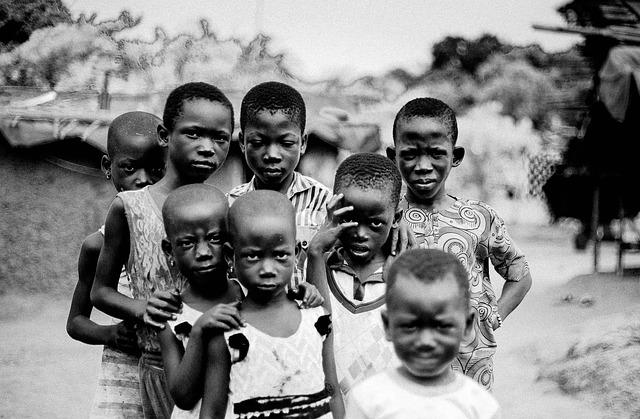
In recent weeks, Côte d’Ivoire has ramped up security measures along its borders in response to a surge of refugees fleeing the escalating conflict in neighboring Mali. As political instability and violence continue to plague the northern regions of Mali, thousands of individuals are seeking safety and stability in Côte d’Ivoire, prompting concerns about the humanitarian implications and regional security. This article explores the current situation at the Ivorian borders, the government’s response to the influx of refugees, and the broader implications for security and peace in West Africa.with international aid organizations and local officials weighing in, the complex dynamics of migration, regional cooperation, and the fight against extremism are more crucial than ever as Côte d’ivoire navigates this mounting challenge.
Côte d’Ivoire Responds to Increased Refugee Influx from Mali with Enhanced Border Security measures
Côte d’Ivoire has ramped up its border security measures in response to a significant influx of refugees fleeing the ongoing conflict and instability in neighboring Mali. the government has deployed additional troops and resources to key border checkpoints, ensuring that those entering the country can be properly screened and monitored. This initiative aims not only to manage the growing number of displaced individuals but also to maintain national security and order amid rising tensions in the region. Enhanced surveillance technology and increased patrolling are part of a thorough strategy to address these challenges effectively.
As the situation unfolds, the Ivorian authorities are focusing on a multifaceted approach to assist refugees while safeguarding the nation. Key elements of this strategy include:
- Collaboration with international organizations: Engaging with the UN Refugee Agency and other NGOs to provide humanitarian aid and support for incoming refugees.
- Community outreach programs: Implementing initiatives that aim to integrate refugees into local communities, helping them adapt and fostering a sense of solidarity.
- Public awareness campaigns: Educating citizens on the importance of empathy and support for those fleeing violence, while also emphasizing the necessity of security measures.
This holistic response not only addresses immediate border security concerns but also reinforces Côte d’Ivoire’s commitment to humanitarian principles amidst a complex regional crisis.
Impact of Refugee Crisis on Côte d’Ivoire’s Socioeconomic Landscape and Regional Stability
The ongoing influx of refugees from Mali into Côte d’Ivoire has considerably altered the country’s socioeconomic dynamics and contributed to regional instability.As thousands flee violence and unrest in their homeland, Côte d’Ivoire is grappling with the pressing need to accommodate these individuals, which presents numerous challenges. Overburdened public services, strained resources, and increased competition for jobs are some of the immediate repercussions impacting local communities. The government’s efforts to manage this crisis are reflected in tightened border controls and heightened security measures aimed at balancing humanitarian obligations with the integrity of national stability.
Along with the humanitarian aspects, the growing refugee population can be seen as a catalyst for economic change. While the sudden arrival of newcomers has the potential to foster economic strain, it also creates opportunities for local businesses and entrepreneurs to engage with a diverse consumer base. The refugee crisis could lead to increased demand for goods and services,fostering job creation. However, if unaddressed, underlying tensions could escalate, leading to social unrest. Thus, Côte d’Ivoire must navigate these complexities with both short-term solutions and long-term strategies to ensure lasting growth and regional harmony.
Strategic Recommendations for Humanitarian Response and Cross-Border Cooperation in West Africa
The influx of refugees from Mali into Côte d’Ivoire presents a complex challenge that requires coordinated efforts among regional actors. Prioritizing collaboration among humanitarian organizations and government agencies is essential to address the immediate needs of displaced populations. Establishing cross-border task forces can facilitate the sharing of resources, information, and best practices to ensure an efficient response. additionally, investing in border management systems that promote security without compromising humanitarian access will be vital in maintaining stability in the region.
Furthermore, local community engagement should be at the forefront of strategic recommendations. By involving host communities in the planning and implementation of response strategies, humanitarian efforts can be tailored to local contexts, thereby fostering social cohesion. The provision of training and resources to both refugees and locals can stimulate economic opportunities and reduce tensions. Moreover, advocating for international support and funding will enhance the capacity of local governments and NGOs to deliver sustainable solutions, ensuring that the changing dynamics of displacement are met with resilience and compassion.
Closing Remarks
As Côte d’Ivoire braces for the influx of refugees fleeing turmoil in neighboring Mali, the government’s decision to tighten its borders underscores the complex interplay between humanitarian needs and national security. The influx has raised apprehensions about potential instability, prompting Ivorian authorities to enhance surveillance and control measures. While the situation continues to evolve, the international community’s response will be crucial in addressing the underlying crises that drive such migration. Ongoing support for both Mali and Côte d’Ivoire will be vital to fostering regional stability and ensuring that those in need receive the assistance they require. As the flow of refugees persists, the challenges and solutions faced by the region demand urgent attention and collaborative efforts to mitigate the effects of this humanitarian crisis.










