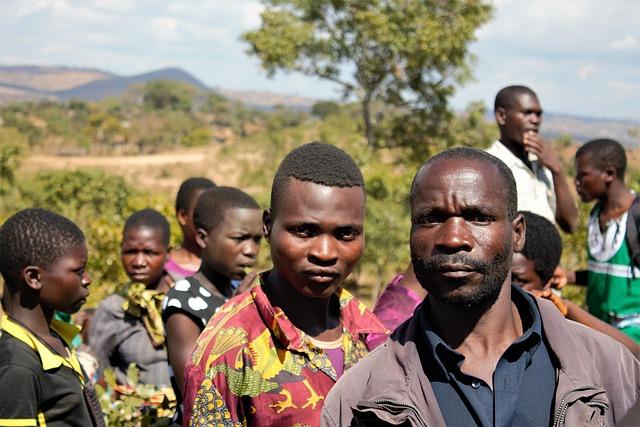
In a disappointing turn for human rights in Malawi, the country’s judiciary has upheld a ban on consensual same-sex conduct, a decision that has drawn sharp criticism from human rights organizations, including amnesty International. This ruling reflects a significant setback for the LGBTQ+ community in Malawi, where existing laws already criminalize same-sex relationships, fostering an environment of discrimination and fear. As efforts for equality and decriminalization gain momentum globally,this verdict highlights the stark contrast faced by many nations still grappling with issues of sexual orientation and gender identity. activists and advocates argue that the ruling undermines the fundamental principles of human rights, emphasizing the need for continued dialog and advocacy to ensure that everyone, regardless of whom they love, is afforded the dignity and respect they deserve. this article delves into the implications of the ruling, the responses from various sectors of society, and the broader context of LGBTQ+ rights in Malawi and beyond.
Malawi’s Legal Landscape for LGBTQ Rights Faces Setback Amid Human Rights Concerns
In a ruling that reverberates throughout the international human rights community, Malawi has reaffirmed its stance against consensual same-sex conduct. This decision not only reflects a deeply entrenched cultural and legal resistance to LGBTQ rights in the country, but it also raises profound concerns regarding the protection of individual freedoms and human rights. Activists and organizations, including amnesty International, have decried the ruling, highlighting that it contradicts Malawi’s commitments to uphold fundamental human rights for all citizens, regardless of sexual orientation. The implications of this decision extend beyond the immediate legal landscape; it fosters an environment of discrimination and perpetuates violence against LGBTQ individuals in Malawi.
The ruling is indicative of the broader societal attitudes that hinder progress towards equality and justice. Among the concerns raised are the following key issues:
- Lack of protective legislation: There are insufficient legal frameworks to protect LGBTQ individuals from discrimination and violence.
- Cultural stigma: Deep-seated societal prejudices against LGBTQ individuals continue to prevail, often fueling hostility and aggression.
- International condemnation: Human rights organizations globally are urging Malawi to reconsider its stance, warning that these practices run counter to democratic values.
As the international community closely monitors this situation, the voice of those advocating for change remains crucial. Organizations are rallying support to push for reforms, calling for an end to the discriminatory laws that criminalize love and consensual relationships. The pushback against such rulings is emblematic of the larger struggle for human rights,as activists advocate for a vision of a future where all individuals can live authentically,free from fear of persecution.
Amnesty International Calls for international Pressure to Support LGBTQ Equality in Malawi
In the wake of a recent judicial ruling that upheld the ban on consensual same-sex conduct in Malawi, Amnesty International is urging the international community to unite in calling for an end to discriminatory practices against LGBTQ individuals. The association emphasized that this decision represents a significant setback for human rights, as it not only criminalizes love and personal freedom but also perpetuates a culture of violence and stigma against those who identify as part of the LGBTQ community.
Amnesty International outlined several vital actions that should be taken to promote LGBTQ equality in Malawi:
- International Advocacy: World leaders must condemn the ruling and use diplomatic channels to pressure the Malawian government.
- Support Local Activism: Financial and technical resources should be channeled to support NGO efforts advocating for LGBTQ rights in Malawi.
- Awareness Campaigns: Global campaigns should be crafted to educate the Malawian public about sexual orientation and gender identity issues.
The organization also highlighted the importance of international relations in shaping Malawi’s policies. A collaborative effort can invoke change within the nation and encourage a path towards inclusivity. The realignment of foreign aid and investment strategies coudl serve as a leverage point for advocating human rights improvements in Malawi.
The impact of Malawi’s Decision on the Global Fight for Human Rights and Dignity
the recent decision by malawi to uphold its ban on consensual same-sex conduct has far-reaching consequences that extend beyond its borders. This ruling not only reflects the country’s stance on LGBTQ+ rights but also sends ripples through the global struggle for human rights and dignity. Countries that maintain similar laws may feel emboldened by Malawi’s decision, perceiving it as validation for their own repressive policies. The implications are profound, as they challenge the progress made by activists and human rights defenders who have tirelessly worked to promote equal rights for all individuals, regardless of sexual orientation.
Furthermore, malawi’s decision underscores the ongoing challenges faced by the international community in addressing human rights violations. It highlights a stark division in global perspectives on LGBTQ+ rights, where some nations push for acceptance and equality, while others remain steadfast in discrimination. the impacts of this ruling can be summarized as follows:
- Increased Persecution: Individuals in Malawi and similar jurisdictions may face heightened discrimination and violence.
- Global Activism: This setback may galvanize activists worldwide, prompting calls for boycotts and diplomatic pressure on oppressive regimes.
- Human Rights Discourse: The ruling may shift discussions in international forums, forcing dialogue on the interplay between cultural norms and human rights.
To illustrate the disparity in attitudes towards same-sex conduct worldwide,consider the following table:
| Country | Legal Status of Same-Sex Conduct | Global Advocacy Position |
|---|---|---|
| Malawi | Criminalized | against human rights |
| South Africa | Legal | Pro-human rights |
| United States | Legal | Pro-human rights |
| Egypt | Criminalized | Against human rights |
In Summary
the recent decision by Malawi’s judiciary to uphold the ban on consensual same-sex conduct represents a significant regression in the fight for human rights within the country. As highlighted by Amnesty International, this ruling not only deepens the existing stigma against the LGBTQ+ community but also undermines the foundational principles of equality and dignity for all individuals. The verdict serves as a stark reminder of the challenges that persist in the realm of human rights, particularly in nations where conservative cultural attitudes prevail. Advocacy for change remains crucial, as human rights organizations, activists, and allies continue to call for a reassessment of discriminatory laws and practices. The journey towards true equality in Malawi is far from over, underscoring the need for persistent dialogue, education, and advocacy to foster a more inclusive society.