
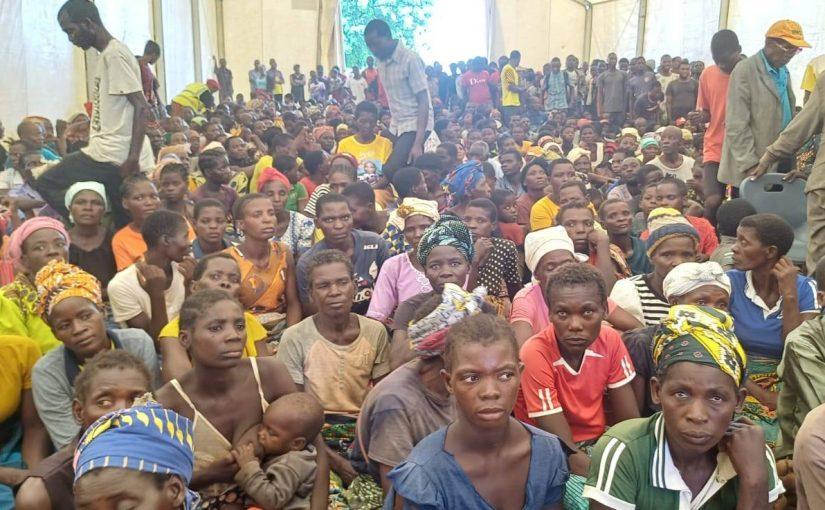
The Dilemma of Mozambicans in Malawi: To Stay or Go Back?
Recently,Malawi has become a refuge for many Mozambicans escaping conflict and searching for better opportunities. However, as the situation in Mozambique evolves, numerous individuals are confronted with the difficult decision of whether to return home. This article delves into the varied perspectives of Mozambicans residing in Malawi, shedding light on their hopes, fears, and the multitude of factors that influence their choices to either remain in their new environment or embark on the uncertain journey back to Mozambique. By intertwining personal stories with broader socio-economic insights, we aim to reveal the complex realities faced by this transient community as they contemplate repatriation amid shifting circumstances.
Historical Context: The Roots of Displacement
The displacement experienced by Mozambican nationals living in Malawi can be traced back to several critical factors that forced families to leave their homeland. The extended civil war in Mozambique from 1977 until 1992 created an atmosphere filled with insecurity and chaos. This turmoil was exacerbated by economic difficulties and natural disasters like recurrent floods and droughts that worsened living conditions. As a result, many sought asylum across borders into Malawi, driven by aspirations for safety and improved prospects. Over time,this influx has considerably transformed southern Africa’s demographic landscape-creating a vibrant yet intricate community grappling with integration challenges.
At present, there exists a cautious sense of optimism among Mozambicans living in Malawi regarding potential repatriation due to changing conditions within both nations.Key elements influencing this desire include:
- Enhanced Stability: Improvements in security and governance within Mozambique are encouraging thoughts about returning.
- Economic Opportunities: The prospect of job openings stemming from an improving economy is enticing many individuals back.
- Cultural Bonds: A profound longing for family connections and cultural heritage often drives return decisions.
Still, those considering a return face numerous obstacles such as property rights issues and reintegration challenges that compel them to weigh their options carefully. Below are key concerns expressed by Mozambican expatriates currently residing in Malawi:
| Main Concerns | Description |
|---|---|
| Safety Concerns | Anxiety over potential violence or instability upon returning home. |
Challenges Faced by Returning Mozambicans: Security Risks & Economic Hurdles
The journey back from Malawi presents various challenges primarily centered around security concerns within Mozambique itself. An increase in violence-especially notable in northern regions-has left many feeling apprehensive about safely resettling at home. Reports indicate ongoing threats posed by armed groups have disrupted peace efforts; thus leading many individuals hesitatingly cling onto what they perceive as relative safety found within Malawian borders despite yearning for homecoming.Additionally,The lack of viable job opportunities especially affects rural areas where most returnees are likely headed; local reports suggest that reintegration proves challenging largely because essential community support systems necessary for rebuilding livelihoods remain inadequate.
Several critical factors impact triumphant economic reintegration including:
| Catalysts Affecting Reintegration Success | Affect on Returnees’ Lives |
|---|---|
| Job Availability< / td > | Limited employment options compel individuals towards choice means< / td > < / tr > |
| Lack thereof hampers skill growth among youth populations< / td > < / tr > | |
| Poor assistance hinders establishment efforts towards stable households< / td >
< tr >< td >< strong >Community Engagement | Difficulties integrating into communities lead social isolation
Unlocking Tomorrow: H.E. Ambassador Duarte Lopes Shares Visionary Insights on Europe, North Africa, and the MediterraneanDuring a recent event hosted by the Stimson Center, participants delved into a captivating discussion about the evolving relationships between... Read moreDetails         |

