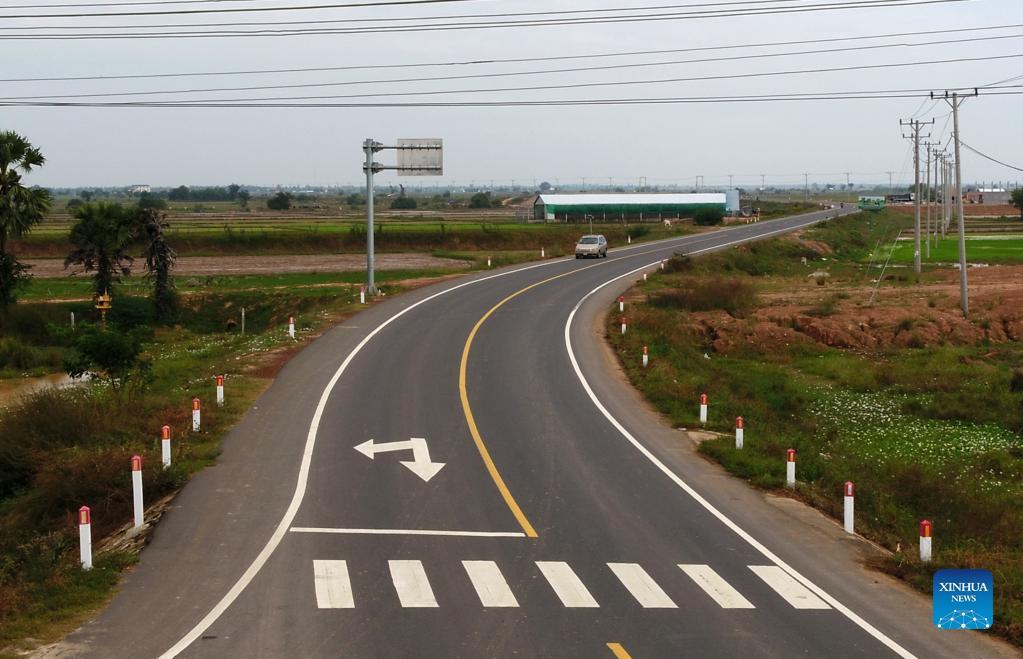
In recent years, Malawi has witnessed a surge in infrastructure advancement, largely driven by investments from Chinese firms. Among the most significant of these are the roads that traverse the nation’s diverse landscapes, connecting rural communities to urban centers and bolstering trade potential. While these projects have brought much-needed hope for enhanced connectivity and economic growth, the reality on the ground paints a more complex picture. As locals grapple with the disparity between expectations and outcomes, the promise of prosperity tied to Chinese-built roads often remains unfulfilled. This article delves into the intricate dynamics of this relationship, exploring how these infrastructures symbolize both a beacon of development and the challenges that accompany foreign investment in Malawi, highlighting the broader implications for the China-Global South partnership.
Chinese Investment in Malawi’s Infrastructure: Bridging Gaps or Creating Dependency
In recent years, infrastructure projects funded by Chinese investment have become a defining feature of Malawi’s development landscape. The construction of roads, bridges, and other essential facilities aims to enhance connectivity and promote economic growth. These projects are often presented as lifelines to a nation grappling with significant infrastructure deficits. Though, the real impact of these investments raises complex questions about their long-term benefits versus the potential consequences of dependency on foreign funding. Critics argue that while immediate improvements can be seen, the underlying economic structures may not significantly transform, leaving Malawi vulnerable to external influences.
As the government of Malawi seeks to optimize these foreign investments,concerns about sustainability and self-sufficiency loom large. The influx of Chinese capital can bring critical infrastructure to regions that desperately need it, yet may also lead to scenarios where local resources and labor are sidelined in favour of imported materials and expertise. This reliance could stifle the development of local businesses and skills necessary for maintaining and expanding these infrastructures. Moreover, many Malawians have expressed uncertainty about the long-term outcomes, emphasizing the need for a more balanced approach to development that fosters independence rather than perpetuating cycles of dependency.
| Investment Type | Benefits | Challenges |
|---|---|---|
| Road Construction | Improved connectivity | Quality control issues |
| Bridge Projects | Accessibility to remote areas | Environmental concerns |
| Energy Projects | Enhanced power supply | Dependence on foreign expertise |
Economic Impact of Chinese-Built Roads: Assessing the Realities and Expectations
The construction of Chinese-built roads in Malawi has triggered a myriad of expectations regarding economic development.Supporters argue that improved infrastructure can boost trade and enhance access to markets, fostering local economic growth. However,the reality often deviates from these optimistic projections.The anticipated influx of investment and job creation has, in many cases, not materialized as expected. Several factors contribute to this disparity, including the focus on completing projects rapidly rather than ensuring their sustainability and adaptability to local needs. Moreover,the influx of Chinese labour and materials limits opportunities for local businesses and communities to benefit directly from these developments.
To better understand the impact of these projects, it is crucial to assess key indicators of economic performance linked to the roads. A recent evaluation evaluates factors such as job creation, local business support, and maintenance costs. The following table summarizes these indicators:
| Indicator | Current Status | Expected Outcome |
|---|---|---|
| Job Creation | Limited; mostly foreign workers employed | 1000+ jobs for locals expected |
| Local Business Development | Minimal; reliance on Chinese suppliers | Increase in local contracts by 30% |
| Maintenance & Sustainability | Uncertain; lack of training for local staff | Establishment of local maintenance teams |
As the Malawian government and citizens assess these projects, there is a growing call for a more balanced approach that emphasizes local engagement and sustainable development.By reevaluating the terms of engagement and fostering partnerships that prioritize Malawian resources and labor, there is potential to transform infrastructure projects into genuine economic opportunities for the people of Malawi.The journey towards realizing these goals is fraught with challenges, but with a concerted effort, the enterprising vision of road networks contributing to wealth can be reimagined into a more achievable reality.
Recommendations for Maximizing Benefits from Foreign Infrastructure Projects in Malawi
To fully harness the advantages offered by foreign infrastructure projects, notably those funded and constructed by Chinese companies in Malawi, local stakeholders must prioritize strategic engagement with these initiatives. Establishing partnerships between government entities, local communities, and foreign contractors can enhance openness and accountability. By fostering a collaborative environment, project stakeholders can ensure that local labor and materials are sourced when possible, which not only stimulates the local economy but also builds trust among residents.Furthermore, ongoing training and capacity-building programs are essential for equipping Malawians with the necessary skills to maintain and operate these infrastructures, ensuring long-term sustainability and employment opportunities.
In addition to fostering local engagement and skill-building, it is indeed crucial for the Malawian government to develop a robust framework for monitoring and evaluating the performance of foreign projects.Implementing a system of regular assessments and feedback loops can help identify successful strategies and areas for improvement in real time. A well-structured multi-stakeholder oversight committee could play a vital role in ensuring that infrastructure projects meet the expected standards and align with national development goals. By encouraging the involvement of civil society organizations and local governments, Malawi can actively work towards ensuring that the benefits of these foreign investments reach the broader population, ultimately translating infrastructure improvements into tangible economic growth.
| Key Strategies | Benefits |
|---|---|
| Local Partnerships | Increased transparency and community trust |
| Training Programs | Skill enhancement for locals and job creation |
| Performance Monitoring | Ensures project accountability and improvement |
| Multi-Stakeholder Committees | Aligns projects with national goals and community needs |
In Summary
the arrival of Chinese-built roads in Malawi heralds a transformative potential for the nation’s infrastructure and economic landscape. While these projects offer hope for enhanced connectivity and accessibility,the anticipated wealth and prosperity have yet to materialize as many had envisioned. Stakeholders, including the Malawian government and local communities, must navigate the complexities of foreign investments and ensure that the benefits extend beyond mere construction. As Malawi continues to grapple with the challenges of development, the emphasis must remain on leveraging these infrastructural advancements to foster sustainable growth and improve the livelihoods of its citizens. The journey ahead is fraught with uncertainties, yet the foundation laid by these roads may very well serve as a critical artery for future progress, provided that vigilant stewardship and strategic planning accompany the ongoing partnership with China.